
Retirement Living takes an unbiased approach to our reviews. We may earn money when you click a partner link. Learn More
4 Steps to Reducing Falls for Older Adults
Even a single fall can lead to serious injuries, but there are many proven ways to significantly reduce fall risk.


Updated:
At a glance:
- Start With a Home Safety Check: Identify tripping hazards, poor lighting, unsafe stairs, and bathroom risks to address the most common causes of falls.
- Make Simple Home Modifications: Install grab bars, use non-slip mats, improve lighting, secure rugs, and adjust kitchen and bathroom layouts for safer movement.
- Choose Supportive, Slip-Resistant Footwear: Wear properly fitted shoes with sturdy soles indoors and outdoors to improve stability and reduce fall risk.
- Talk to Your Healthcare Provider: Review medications, vision, hearing, and underlying conditions like diabetes or hypotension that may increase your chance of falling.
Falls remain a leading cause of injury among older people in America, according to the latest national data. The U.S. Centers for Disease Control and Prevention (CDC.gov) says that more than 1 in 4 adults aged 65 and older falls each year. The CDC estimates that over 3 million older adults visit hospital emergency departments for fall-related injuries each year. More than 319,000 people are hospitalized, usually for head injuries or hip fractures.
1. Conduct a Home Safety Assessment
Potential fall hazards often hide in plain sight throughout the home and can be easy to overlook. The Department of Health recommends that a home safety assessment will help you identify and fix these risks before they lead to a fall.
A thorough home safety assessment typically focuses on the following areas:
- Tripping hazards
- Lighting
- Outdoor areas
- Bathrooms
- Stairs
The Alzheimer’s Association offers a free home-safety checklist. This tool helps seniors spot fall hazards and other safety issues. Using this checklist can help make your home safer and more fall-resistant.
2. Modify Your Home
Modifying your home as you age is one of the most effective ways to reduce your risk of falling. Many home safety modifications are simple and can be done independently or with help from a family member or handyman. Use the results of your home safety assessment to prioritize the most fall-prone areas, like the bathroom and kitchen.
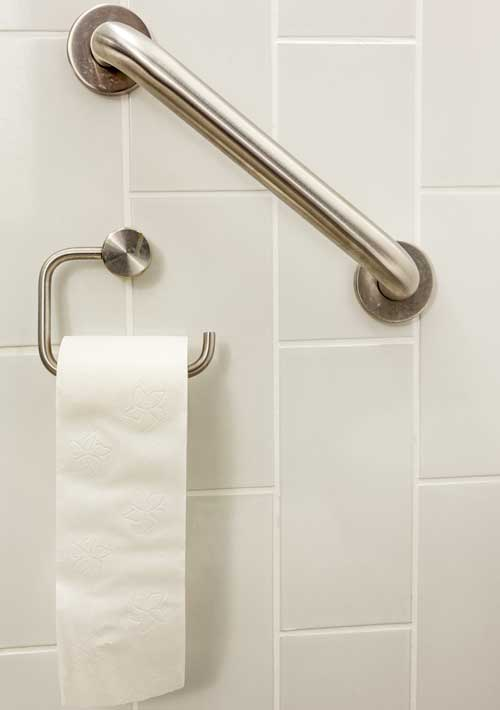
- Bathroom – Modify your shower and bathtub to make entering and exiting safer. Install grab bars, place non-slip mats, and use a shower chair if needed. Add a grab bar near the toilet and consider installing a raised toilet seat for easier sitting and standing. Walk-in bathtubs can also improve safety by making entry and exit easier.
- Kitchen – Keep appliances and frequently used items handy. This helps you avoid climbing or overreaching. If not, consider hiring a contractor to adjust cabinet height or countertop placement, especially if you use a mobility aid. For added safety, place your microwave at counter height instead of above the stove.
- Flooring – Evaluate your existing flooring for surfaces that may cause slips or trips. Think about swapping thick or loose carpets for firm, flat flooring. This change can help prevent tripping and improve wheelchair or walker movement. Secure all rugs with non-slip backing or remove them altogether to keep the walkways clear.
- Lighting – Use bright bulbs for better visibility. Add night lights in hallways and bathrooms. Install under-cabinet lighting in the kitchen. Poor lighting in hallways and staircases can significantly increase the risk of falls among older adults.
- Stairs – Add non-slip treads to bare steps and ensure every staircase has two secure handrails. If stairs become difficult or unsafe, consider having a stair lift professionally installed.
When planning changes, focus on the areas that cause you most trouble or where you often have close calls. Remove or adjust any home hazards, such as hard-to-reach items or slippery bathroom surfaces, that increase your fall risk.
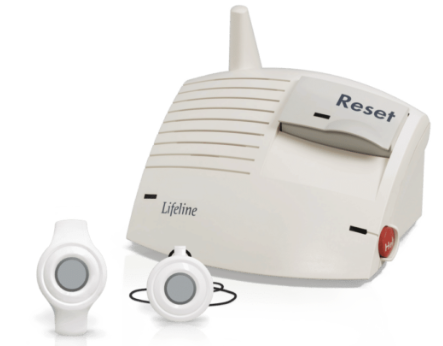
Wear a medical alert device or keep a cell phone with you at all times so you can call for help quickly if needed. Give a trusted friend, family member, or caregiver a spare house key so they can access your home quickly in an emergency.
3. Wear the Right Shoes
Research shows that a comprehensive foot care program can help reduce older adult falls. This includes wearing the right shoes, getting regular foot exams, and doing strengthening exercises. To get the full benefit of a foot care program, you will also need supportive, properly fitted shoes.
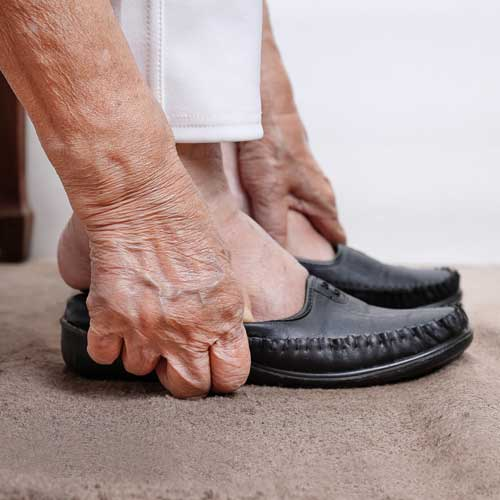
Floppy slippers, high heels, and loose or unstable footwear can increase your risk of slipping or tripping. Instead, choose comfortable, supportive shoes with slip-resistant soles, a secure heel counter, and a low heel. Shoes with Velcro straps or wide openings can also make them easier to put on and take off safely.
Wearing supportive shoes indoors is also recommended for seniors. Walking barefoot or in socks increases the likelihood of slips, especially on smooth floors. Wearing shoes indoors keeps your feet supported and improves traction on a variety of surfaces.
Do regular foot and ankle exercises. They help strengthen your lower legs and improve balance. For example, ankle circles are easy to do and can be performed almost anywhere. To do ankle circles, sit in a chair with your feet flat on the floor, extend one leg, and rotate your ankle 20 times in each direction. Repeat on the other leg.
4. Identify Medical Concerns
As we age, our eyesight, hearing, and reflexes often get worse. This makes it harder to maintain balance and coordination. Talk to your healthcare provider to identify any medical conditions or risk factors that could increase your chances of falling.
The National Institute on Aging notes that several medical conditions can raise an older adult’s fall risk. Common medical conditions linked to higher fall risk include:
- Diabetes (which can cause neuropathy or vision changes)
- Heart disease or circulatory issues
- Muscle weakness or general deconditioning (sarcopenia)
- Foot problems, including pain, swelling, or neuropathy
- History of stroke or other neurological conditions
- Arthritis, especially when it affects weight-bearing joints
- Osteoporosis
- Postural (orthostatic) hypotension, a drop in blood pressure when sitting or standing

Your healthcare provider can help with these conditions. They may give you personalized tips to reduce your fall risk, including:
- Medications – Your provider may adjust or modify medications if you experience dizziness, fatigue, low blood pressure, or other side effects that increase fall risk. If symptoms are unrelated to your current medications, your provider might suggest extra treatment. This can help manage dizziness, pain, or other balance issues.
- Exercise – A physical therapist can create a safe exercise program. This plan will boost physical activity, improving strength, balance, flexibility, and quality of life. These factors are vital in preventing falls. Even going outside to get vitamin D can help strengthen bones and muscles.
- Eyesight and hearing – An eye doctor can ensure your glasses or contacts are up to date so you can see clearly and navigate safely. If you need a hearing aid, a hearing specialist can help you choose a comfortable, effective device.
Remember, your healthcare provider is there to answer questions and support your safety and well-being. If you have concerns about falls or other health issues, share them with your provider so they can be addressed promptly.
The Bottom Line: Older Adult Fall Prevention is Possible When You Plan Ahead
Seniors are at higher risk of falls due to changes in strength, balance, and health. Because falls can happen unexpectedly, planning ahead is one of the most effective ways to prevent them. Joining a falls prevention program can help seniors boost their balance, strength, and confidence. This also lowers their chances of accidents at home.
Many older adults develop a fear of falling. However, doing balance exercises, making home modifications, and having regular checkups can greatly lower their actual fall risk. Being proactive about fall prevention for older adults reduces the risk of falling. It also helps reduce injuries if a fall does happen.