
Retirement Living takes an unbiased approach to our reviews. We may earn money when you click a partner link. Learn More
Best Walk-in Showers of 2026
We picked walk-in showers that combine safety, comfort, and style for your home.


Updated:
Our top picks stand out for their safety features, accessibility, customization, and value. They include Safe Step, Independent Home, American Standard, and Kohler. Learn more about walk-in showers and what to look for when choosing the right design for your home or a loved one’s.

4.8
- Great standard safety features
- All products meet ADA standards
- Lifetime warranty

4.4
Independent Home provides a full walk-in shower system. It mixes safety and durability with a stylish design. Independent Home designs walk-in showers to help consumers age in place. Installation crews have an exceptionally high level of experience, cutting labor costs.
- Great installation
- Commonly installed in one day
- Trained and experienced technicians

American Standard offers walk-in tubs in a variety of customizable models to fit your bathroom’s space. A lifetime warranty covers the bath and installation, including labor.
- Custom Stalls
- Slip-resistant shower floors
- Full line of custom fixtures

4.5
Kohler offers a bounty of options with its LuxStone walk-in showers. Choose from over a dozen colors and showerheads in multiple finishes. Kohler’s digital system turns a walk-in shower into a spa.
- Great Luxury Options
- Modern matte finishes
- Digital shower system

Freedom Showers
4.4
Freedom Showers sells more walk-in shower models than any company we analyzed. Its parent company is Accessibility Professionals. They sell barrier-free showers, roll-in showers, and walk-in shower bases. Freedom Showers also offers an impressive selection of accessories. The customer care team makes sure you know all your options before placing your order.
- Great Selection
- More than 50 walk-in shower models
- Backed by 30-year warranty

4.5
- Great comfort features
- Seat secures to any side of the shower
- Various shower head options
Our Search for the Best Walk-in Shower Companies
Choosing the best walk-in shower for your needs can get confusing. Many well-known walk-in shower companies offer several models. Plus, there are quite a few new companies in the industry.
We started our search with the 22 most popular walk-in shower companies. We narrowed our recommendations down to the six best options using these steps:
- We evaluated the walk-in shower marketplace. To narrow our search, we first considered consumer and expert reviews for the top walk-in shower companies. We removed those with a three-star rating or below from consideration.
- We assessed the top walk-in shower companies based on industry ratings and awards. We aimed to identify the best walk-in shower companies based on value, customer satisfaction, options, and support. We also considered awards for quality and innovative design.
- We shopped for walk-in showers and followed the advice in this guide. We focused on finding walk-in shower manufacturers based on our wise buyer standards. We then looked at each company’s walk-in shower options. Finally, we checked their prices, warranty details, and other important factors.
If a company failed to provide both materials and installation, we removed it from consideration. We also eliminated companies that didn’t provide online details about their products and options.
Bathroom. Source: Getty
Walk-in Shower Company Reviews
After evaluating the companies, we chose the best walk-in shower companies. They are Safe Step, Independent Home, American Standard, Kohler, Freedom Showers, and Jacuzzi. Each of these companies stood out above and beyond the competition.
Safe Step Review
Great standard safety features
|
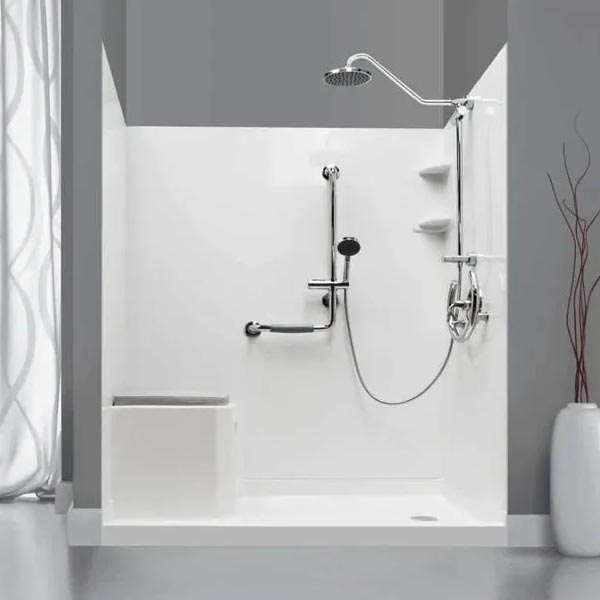
Safe Step designs and builds walk-in showers and walk-in tubs. They focus on seniors and those with mobility issues. Installers fit walk-in showers into your current shower or bathtub’s existing space. This limits the expense of extensive remodeling. All Safe Step products meet or exceed ADA standards. They also come with a lifetime warranty covering all parts and labor.
Safe Step walk-in showers include:
- A Tru-Temp anti-scald valve
- An adjustable hand-held shower wand with a quick on/off button
- A curtain rod
- A shower curtain
Shower controls are easy to reach. Plus, the shower area has a commercial-grade anti-slip surface. Safe Step offers several options to customize your walk-in shower. Options include three different seats, sliding glass shower doors, and metal finish upgrades. The company also offers tubs with handheld shower systems. One customer from Elmore, AL, told us that they love the handheld system. Overall, they had a great experience with Safe Step.
To learn more, read our full Safe Step review.
Independent Home Review
Great installation
|
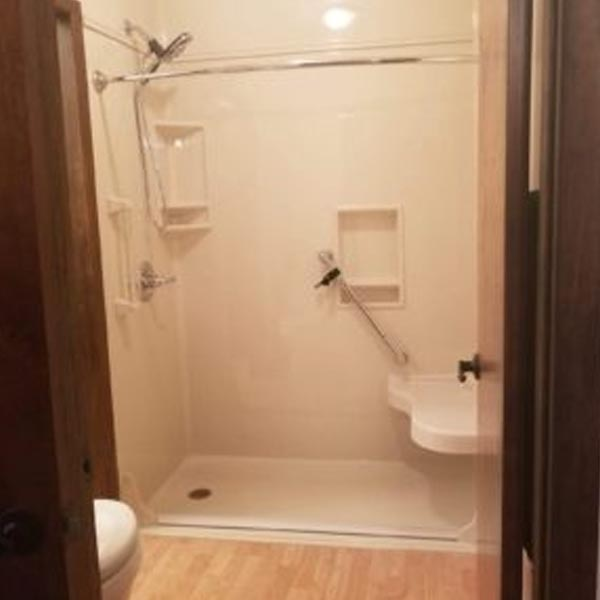
Independent Home sells walk-in shower systems and other products. They help modify homes for people with limited mobility. A representative visits your home to check the installation site. They inspect the area and suggest options for a walk-in shower.
Independent Home walk-in showers fit into the space of your current bathtub or shower. Trained professionals with at least five years of experience handle installation. Many units are installed in one day.
Independent Home offers wheelchair-accessible options, many standard safety features, and glass door upgrades.
To learn more, read our full Independent Home review.
American Standard Review
Custom Stalls
|
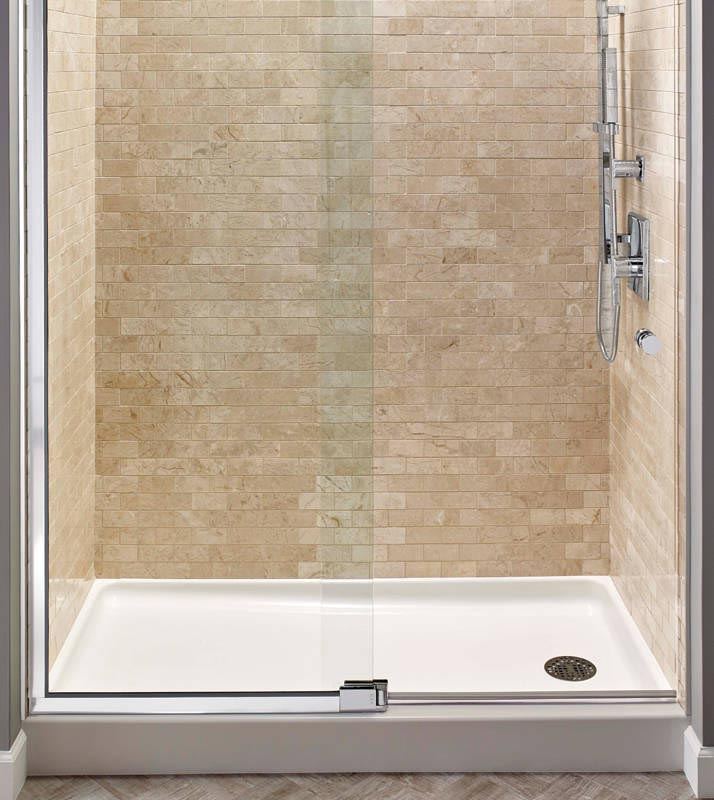
American Standard has a wide range of ADA-compliant bathroom fixtures. This allows you to create a custom walk-in shower that fits your style perfectly. Shower faucets feature the Hot Limit Safety Stop to prevent scalding. Bases are slip-resistant for safety. American Standard also sells numerous coordinating showerheads and trim kits.
American Standard offers several options for walk-in shower bases. We like the ADA-compliant Studio 38-inch by 38-inch Acrylic Shower Base for narrow spaces. The base is made of fiberglass-reinforced acrylic material for years of durability.
American Standard is a leading plumbing and building products maker in North America. They have a history that spans 140 years.
To learn more, read our full American Standard review.
Kohler Review
Great Luxury Options
|
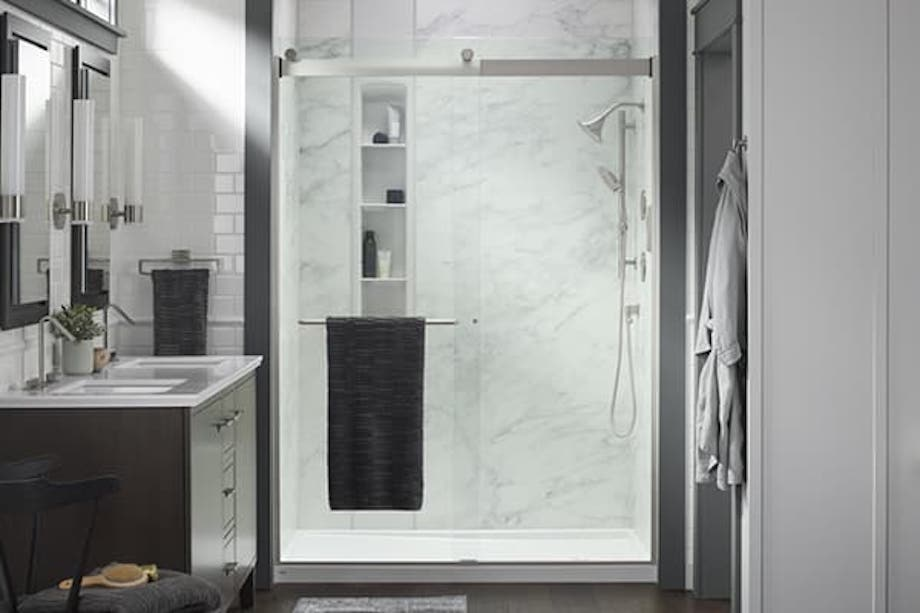
Kohler has been making kitchen and bathroom fixtures for more than 140 years. Kohler includes installation in its free quotes, so there are no surprises in your final bill. Kohler’s price is good for one year.
Kohler’s LuxStone walk-in shower combines safety features with sleek accessories. Stain-resistant, grout-free walls can be custom-fitted to any size. Choose from 14 colors, five showerheads, three handheld showers, and many other options.
With Kohler’s digital shower system, you can create a luxury walk-in shower experience. At the touch of a button, activate the perfect water temperature, spray volume, and more.
To learn more, read our full Kohler review.
Freedom Showers Review
Great Selection
|
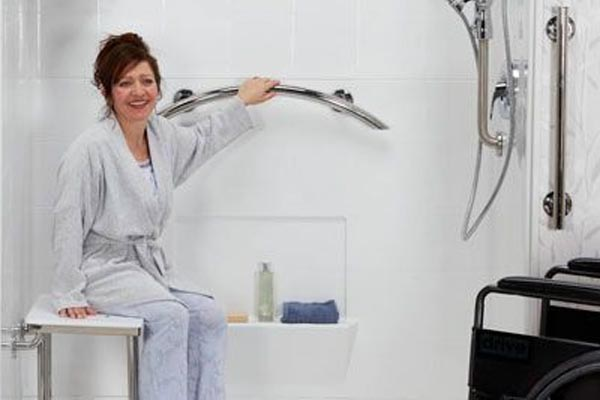
The Accessibility Professionals offer the Freedom Showers line. Their goal is to help people easily remodel their bathrooms for aging in place.
The company offers more than 50 Freedom Showers-brand walk-in showers. They are designed for both homes and businesses. The broad range of choices may sound overwhelming at first. But the customer care team fully educates homeowners about options before they complete their orders.
Freedom accessible walk-in showers are available in various sizes. These range from 48 by 37 inches to a 61-by-61-inch corner shower. Some of the 22 ADA-compliant roll-in shower models feature the lowest molded linear shower pan threshold in the industry.
Freedom Showers produces seven transfer showers in sizes up to 48 inches by 39 inches. The Easy Step line has 13 walk-in shower selections with safety bars and shower seats.
Jacuzzi Review
Great comfort features
|
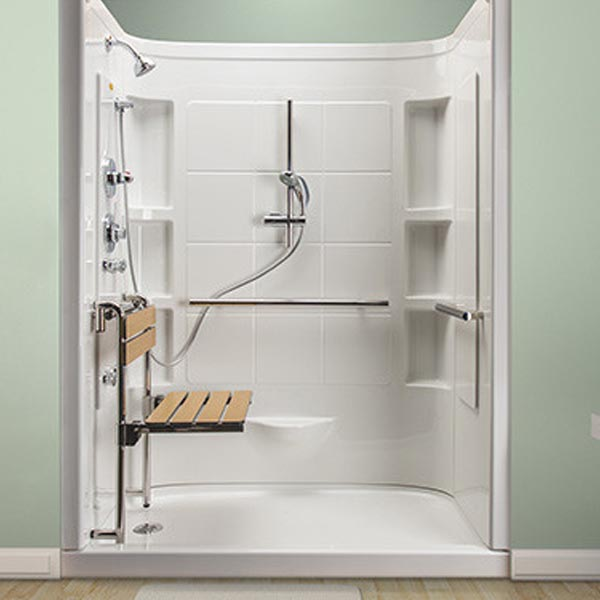
Jacuzzi has been in business for a century and has been selling hot tubs since the 1960s. The company’s product line expanded over the years to include the Finestra walk-in shower. The attractive high-gloss acrylic alcove measures 60 inches by 30 inches and is 77 inches tall.
Jacuzzi Finestra has safety features like non-slip flooring, anti-scald guards, and grab bars on each wall. Jacuzzi walk-in showers come with comfort features we didn’t find elsewhere:
- Move the shower bench securely to any wall, or remove it
- Hand-held and fixed showerheads
- Easily adjust between showerhead, hand-held shower, and four body jets
- Shelves are deep enough for large shampoo bottles
To learn more, read our full Jacuzzi review.
Great standard safety features
Safe Step
- All products meet ADA standards
- Lifetime warranty
Compare the Top Walk-in Shower Brands
| Brand | Average Price Range | Key Features |
|---|---|---|
| Safe Step | $4,000 – 10,000+ | Extra-long safety bar, customization options for design, & built-in folding chair |
| Independent Home | $7,000 – $15,000+ | 4-inch entry threshold, ADA-compliant seating, & extendable showerhead |
| American Standard | $4,000 – $12,000+ | Can purchase shower walls, doors, and other fixtures separately |
| Kohler | $7,000 – $15,000+ | Combination walk-in tub and shower available, integrated handrails, & non-slip flooring |
Best Walk-in Showers for Seniors Guide
Walk-in showers offer seniors with mobility issues a safer bathing experience. They also create a brighter, more open feel in the bathroom. Whether you are looking to add a luxury spa-like addition to your home or you simply want to make your bathroom more accessible, you’re in the right place. This guide gives you tips on how to choose the best walk-in shower. You’ll learn about the installation process and find the right design to improve your space.
We evaluated 22 walk-in shower companies, comparing their features, materials, warranties, and costs. Our goal is to help you find the best mobility options or a more luxurious shower experience. Our best walk-in showers for elderly homeowners are Safe Step, Independent Home, American Standard, Freedom Showers, Jacuzzi, and Kohler.
Tips for a Wise Walk-In Shower Buyer
- Explore walk-in shower ideas that can help you create a safer, more stylish, and accessible bathroom for seniors.
- A bathroom with only a shower is considered a 3/4 bath. Keep this in mind if you plan to sell your home and don’t have a full bathroom in the house.
- Walk-in showers are designed for mobility and safety. They must meet the Americans with Disabilities Act (ADA) standards.
What is a Walk-In Shower?
Walk-in showers either feature a shallow threshold or have an entrance that’s flush with the bathroom floor. A properly-installed walk-in shower with flexible flanges or a linear drain keeps the bathroom floor from getting wet.
If you have mobility issues or are planning for years to come, there are walk-in shower designs that comply with ADA safety regulations. These showers are at least 36 inches by 36 inches with built-in benches. Many people find this size too restricting while seated, and it won’t accommodate a roll-in shower chair. To combat this, we recommend looking into a more spacious walk-in shower for effortless movement in the stall.
Types of Walk-in Showers
There are many types of walk-in showers to add to your home. You can choose from basic and luxury walk-in showers, as well as transfer and roll-in showers. These options help those with limited mobility. A person in a wheelchair can roll up alongside a transfer shower and safely move from the chair to the shower seat. Roll-in showers are the most spacious mobility-friendly option. They offer enough room to enter while seated in a shower chair or wheelchair. We’ve confirmed that the controls for each of these specialty walk-in showers are within easy reach of the bather.
Walk-in showers designed for mobility come with anti-slip floors and multiple grab bars. If you’re still concerned about safety, consider a walk-in tub with a handheld shower attachment.
Installing a Walk-in Shower
Before installing a walk-in shower, contact your city hall to inquire about local building codes and permits. It’s better to let professionals handle the installation. Only attempt it if you’re experienced with shower setups and plumbing. All of the best walk-in shower companies on our list offer installation services. If not, they can put you in touch with a local installer.
Installing a walk-in shower can require a great deal of renovation. You will likely need to have the existing bathtub or shower removed, and some plumbing may need retrofitting. A tiled shower stall may look sophisticated, but it is very time-consuming and may require knocking down one or more walls. The easiest way to install a walk-in shower yourself is to buy a prefabricated product.
Another DIY option is to buy a walk-in shower conversion kit for your shower over the bathtub. Be sure you feel confident about installing a conversion kit because you will have to cut your existing tub.
If you have any doubts, however, we highly recommend having professionals handle the installation. Not only will this ensure your shower is added properly, but you won’t risk voiding any warranties or damaging your home.
Who Should Buy a Walk-in Shower?
Homeowners seeking increased accessibility, individuals with mobility issues, and seniors planning to age in place should consider investing in a walk-in shower.
Walk-in showers offer a safer and more accessible bathing experience. They have either small or no thresholds, thereby reducing the risk of falling or tripping. Additionally, these types of showers typically take up less space than standard showers. This space-saving design creates a more modern and spacious look.
For those planning to age in place, walk-in showers are a great way to ensure safety and independence. They can be customized with features like grab bars, benches, non-slip flooring, anti-scald options, and more. They are both a practical and aesthetic choice for those who plan to stay at home as they age.
Walk-In Shower Materials Guide
Walk-in showers can be made from different materials. These include porcelain tiles, acrylic panels, and fiberglass. Each option offers different aesthetics, durability, and price points.
Porcelain vs. Acrylic vs. Fiberglass
| Material | Durability | Cost Range | Best For |
|---|---|---|---|
| Porcelain | Very durable | $1,800 – $5,000 | Long-term value |
| Acrylic | Moderately durable | $300 – $3,000 | More design options |
| Fiberglass | Least durable | $500–$1,000+ | Temporary or budget-friendly solution |
When choosing between porcelain tiles, acrylic panels, and fiberglass, consider your budget, the advantages of each, and your personal preferences.
A porcelain shower is going to cost the most, but it is the most durable and is resistant to moisture and mold. Here are some pros and cons of porcelain tiles to keep in mind:
Pros of porcelain
- Resistant to scratches
- Long-term performance
- Heat retention
- Classic aesthetic
- Easy to clean
Cons of porcelain
- Heavyweight
- Require professional installation
- Few design options
- Prone to chipping
Acrylic panels are another option for your shower that are lightweight and versatile. Here are the pros and cons to keep in mind:
Pros of acrylic
- Budget-friendly
- Variety of styles
- Non-porous & stain resistant
- Easy to clean
- Easier to install
Cons of acrylic
- Prone to scratching
- Limited heat retention
- Colors could fade
Fiberglass is the most budget-friendly option and is also relatively lightweight. Keep these pros and cons in mind:
Pros of fiberglass
- Good for DIY installation
- Stain resistant
- Versatile shapes and sizes
- Low maintenance
Cons of fiberglass
- Less sturdy than acrylic or porcelain
- Limited color options
- Cracks or warps over time
Porcelain and acrylic walk-in showers offer a more classic look, with acrylic panels offering more styles than porcelain. Both styles are easy to clean with normal household cleaning products. However, they are on the more expensive side compared to fiberglass.
Fiberglass is highly versatile, giving you many options for the shape and size of the shower. It is also low-maintenance and easy to clean, as it’s resistant to stains and scratches. While fiberglass is the most affordable shower tile option, it is also less sturdy than the other two and tends to crack or warp over time.
Walk-In Shower Sizing Guide
When choosing the size of your walk-in shower, you will need to consider factors like the size of your bathroom and your accessibility needs.
There are three common walk-in shower sizes; however, you aren’t limited to these and can talk to the manufacturer about customizing the dimensions.
- 36″ x 36″ (smallest recommended size for walk-in shower)
- 60″ x 30″ (average size for a walk-in shower)
- 60″ x 42 (Average size for walk-in shower in larger bathroom)
Keep in mind that these dimensions are for the interior space and do not include the space needed for installation.
Small Bathrooms
To build a walk-in shower in a small bathroom, you’ll want to ensure the enclosure offers enough room to move safely and easily. Normally, the smallest recommended size is 36″ x 36″; however, depending on the size and shape of your bathroom, walk-in showers can be as small as 32” x 32” for a square layout or 30” x 35” for a rectangular layout.
Keep in mind that if your walk-in shower is specifically designed for a person with mobility issues, the ADA has some requirements the shower must meet. For example, a transfer shower must be at least 36″ x 36″, and a roll-in shower must be at least 60″ x 30″.
If your only bathroom is a small one, you may have to look into remodeling the space to meet these requirements.
Standard Bathrooms
Building a walk-in shower that allows for a full range of movement is far easier in a standard-sized bathroom. The most common dimensions found in standard-sized bathrooms are 36″ x 36″ and 38″ x 38″. If you prefer a non-square layout, 36″ x 42″ and 60″ x 30″ are the standard sizes for a rectangular walk-in shower.
These showers work well for people within the normal height range; however, keep in mind that different regions may have different requirements for the standard-sized layout.
Large Bathrooms
When you have a larger-than-average bathroom, you can opt for a walk-in shower with more space. The most common sizes for larger walk-in showers with a square layout are 42″ x 42″ and 48” x 48”. Rectangular walk-in showers for large bathrooms are typically 60″ x 42″.
However, if you’re working with a walk-in shower provider, you can discuss increasing the size and layout if you have the space and budget.
Tub-to-Shower Conversions
In some cases, installing a walk-in shower requires you to remove the preexisting unit, which is typically a tub/shower combo. Successfully turning your tub into a walk-in shower involves certain steps and safety measures.
Below is a list of aspects to consider and questions to answer before converting your tub into a walk-in shower.
- Space and layout—Does your space allow for a comfortable shower size?
- Accessibility—Would the shower meet your specific needs and regulations?
- Plumbing and drainage—Do you have the budget to modify the existing systems?
- Waterproofing and ventilation—Can you implement proper waterproofing and ventilation to prevent moisture buildup and mold?
- Permits and debris—What permits are needed to make the conversion, and how will you get rid of the debris?
Accessibility and ADA Requirements for Walk-In Showers
The Americans with Disabilities Act (ADA) requires walk-in showers to offer a “barrier-free” design. They must have low thresholds, grab bars, a built-in or fold-down seat, slip-resistant flooring, and accessible controls.
Here is a list of ADA requirements for walk-in showers:
- Transfer showers must be at least 36″ x 36″, and roll-in showers must be at least 60″ x 30″.
- Shower controls must be at least 1.5 inches above the grab bar.
- Grab bars must be on three walls in standard compartments without a seat. If separate, bars must be a maximum of 6 inches from adjacent walls, and each must be the same height.
- Thresholds in roll-in showers shouldn’t be more than ½ inch high, and shower floors can have a maximum slope of 1:48.
- If a seat is provided, it must be folding, attached to the wall, and extend to within 3″ of the entry.
- Controls must be accessible and use anti-scald valves to ensure water doesn’t exceed safe levels, typically 120°F.
ADA Minimum Dimensions and Bench Guidelines
Seats in both transfer and roll-in showers can be either rectangular or L-shaped. Seats must be around 17 to 19 inches from the finished bathroom floor, approximating wheelchair height.
Seats must extend to a point within 3 inches of the compartment entry, thereby minimizing the transfer gap. The seats must also be able to hold 250 lbs.
Rectangular bench dimension guidelines:
- Seat width must be between 15 and 16 inches
- 2 ½ inches max distance from mounting wall
- 1 ½ inches max distance from the side wall
L-shaped bench dimension guidelines:
- Normal seat portion: 15 -16 inches wide
- L seat portion: 22 – 23 inches long
- L seat portion: 14-15 inches wide
- 2 ½ inches max distance from mounting wall
- 1 ½ inches max distance from the side wall
Grab Bars, Faucet Placement, and Controls
Grab bars must be between 33 and 36 inches from the floor and exactly 1 ½ inches from the mounting wall. They cannot rotate and must withstand a vertical or horizontal force of 250 lbs. at any point on the bar.
Additionally, any protruding object on the wall, such as soap dispensers, must be at least 12 inches from the top of the grab bar and 1 ½ inches below the bar. However, shower controls can be within the 12-inch minimum as long as they are at least 1 ½ inches above the grab bar.
Walk-in Shower Designs & Inspiration
Many walk-in showers, like those from Safe Step and Independent Home, come as a single insert. They include both walls and a floor. These shells are sized to utilize the space left after removing the existing shower or tub.
These models can simplify bathroom design. You can usually pick from various doors, showerheads, and other fixtures. Beyond that, you won’t be able to customize the design much further.
Based on our research:
- Walk-in showers with no doors have a spacious feel and can be any size allowed by building codes. This design has no curb to step over but includes a gently sloping floor or linear drain to keep water off the bathroom floor. Doorless walk-in showers typically come with tiled or polymer panel walls. These materials add to material and labor costs, but you’ll have the best choice of colors and textures.
- Walk-in showers for small bathrooms can be three full walls and a translucent panel, creating a partial wall. One-piece walk-in shower enclosures come in smaller sizes and are easy to install. Triangular bases are available to create a corner walk-in shower. The smallest walk-in showers are usually 30 inches by 30 inches, but other sizes are easy to find.
- Luxury walk-in showers offer safety and spa-like features. They prioritize comfort and functionality. High-end walk-in showers are the most customizable, from the size to the fixtures. You can choose from a variety of bathroom shower tile floors, including painted, patterned, or subway tiles. Other options include faux stone or high-gloss wall panels and heated floors.
| Shower Type | Features |
| One-piece enclosure | Lower cost yet very safe. Fast installation if no replumbing is required. |
| Glass panels or blocks | Glass panels contribute to open concept design but offer no privacy. Glass block walls let more light in with some privacy. |
| Solid polymer wall panels | Easy to keep clean. Attractive colors. Extreme durability. Create any size shower with this material. |
| Tiled walls and floor | Expensive. Doorless with zero (flat) entry is possible. Widest choice of colors with no size restrictions. |
How to Personalize Your Walk-in Shower
While your options are limited to doors, showerheads, and other fixtures, there are a variety of options within these categories. Below, we list some of the most popular options homeowners choose to personalize their walk-in shower to give you inspiration.
Types of doors for walk-in showers:
- Frameless glass doors
- Semi-frameless glass doors
- Sliding doors
- Hinged doors
- Bi-fold doors
- Doorless
If you choose a glass door, you can also pick from clear, frosted, tinted, patterned glass, and more.
Showerhead options for walk-in showers:
- Fixed showerhead
- Handheld showerhead
- Rain showerhead
- Duel/Tandom showehead
- Multifunction (showerhead with different spray patterns)
The right showerhead ensures you have a pleasant shower experience.
Popular color options for walk-in showers:
- White
- Gray
- Beige
- Blue
- Green
- Marble
- Textured or patterned
You can also choose from different materials, such as porcelain or natural stone. However, other common shower materials include acrylic and fiberglass.
Other fixtures to add to design your walk-in shower:
- Benches
- Integrated niches for storage
- LED lighting
- Linear drains
- Digital controls
- Heated flooring
- Matching bathroom decor
Overall, designing your walk-in shower comes down to your personal preferences, needs, and budget. Identify which features are most important for initial installation and which ones can be integrated over time.
Doorless vs. Enclosed Walk-In Showers
Doorless walk-in showers offer enhanced accessibility and a more modern aesthetic. However, they have reduced privacy and require more space. Enclosed walk-in showers usually have a glass panel, either a partial or a full enclosure, and a door with a low threshold.
A doorless shower creates a barrier-free, highly accessible space, making it ideal for those with mobility issues. However, due to the absence of a door, heat can escape easily. This increases the potential for cold drafts and water splatter outside the shower. Doorless showers also require more space as they must account for water spillage and proper drainage.
Enclosed walk-in showers take up less space and have better water containment. The door also helps retain heat and reduces drafts. However, the enclosed space may be less ideal for those with mobility issues, depending on how easily you can transfer into the shower space.
Water Containment Strategies & Tips
One of the major complications with doorless walk-in showers is water containment. The best methods are glass screens, shower curtains, or partial walls. Use these with linear drains and collapsible water dams for better results.
Adding glass panels or half walls reduces the area water can escape from while increasing privacy and heat retention. As long as the shower meets ADA standards, these physical barriers will not impede accessibility. However, if you’re unable to add a glass panel or partial wall, hanging a shower curtain, weighted or extra-long, is a great solution. Not only will it contain water, but it will also provide privacy and reduce heat loss.
Linear drains, which are rectangular drains that run along the wall or edge of a shower, can take in large amounts of water. They often allow for a single slope, making them ideal for barrier-free showers. Similarly, the slope of the floor will affect the direction water flows. Ensuring the slope leads to the drain will help contain water.
When installing a walk-in shower, whether doorless or enclosed, consider the placement of the shower. A shower’s location can either naturally contain water or make it more complicated. Proper waterproofing is key. Use membranes and tile backer boards to prevent leaks.
Design and Privacy Considerations
When designing a walk-in shower, consider water containment, heat retention, privacy, and aesthetics.
Keeping water inside the shower area is important for cleaning and preventing mold growth. Preventing heat from escaping is also important. Both of these issues can be easily addressed through proper design. You will need features like linear drains, glass panels, and waterproofing the tiles.
Privacy is essential in any shower. Walk-in showers have various options for privacy, including partial barriers, textured or frosted glass, and shower curtains. You can also build the shower so it faces away from the entrance, obscuring you from view. This is a great way to increase privacy without add-ons.
If you want a more modern and pleasing design, include elements like frameless glass and neutral tile colors. These design choices help smaller spaces feel more modern and open. However, keep in mind that some of the more aesthetically pleasing options may not be compatible with an accessibility-focused shower without incurring a higher cost.
Pros and Cons of Walk-in Showers for Elderly Homeowners and Individuals with Limited Mobility
According to AARP, 75% of people 50 years and older want to live at home for as long as possible. Walk-in showers are a great way to prevent slipping and falling as elderly people age, and they can add a beautiful ambiance to the bathroom.
However, you should carefully consider both negative and positive aspects of a walk-in shower before deciding to buy one.
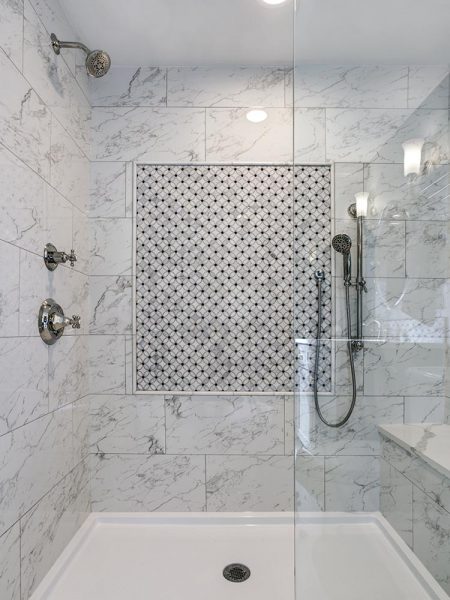
Walk-in Shower Benefits
- An open concept makes the bathroom look larger.
- Curbless design allows for easy entry and exit from the shower.
- Walk-in showers for seniors are a solution for maintaining independence.
- The latest walk-in showers are eco-friendly.
- Accessible to those with mobility issues.
- Multispray nozzles and wall jets create a relaxing massage, alleviating muscle and joint pain.
- Walk-in showers have many of the best bathroom safety features.
- Design ideas are endless, depending on your budget.
- Reduced water and energy use for eco-friendly homeowners.
Walk-in Shower Cons
- You may need to install a more powerful exhaust fan.
- Privacy can be an issue.
- You may need to replace the grout every few years for optimum maintenance.
- Improper design or installation can cause water to pool on the bathroom floor.
- It could affect the home resale value if you don’t have at least one full bathroom with a tub in the room.
- You could get wet while bathing children.
- Walk-in showers need regular care. After each use, clean them to stop mold and mildew. Do weekly and monthly checks to keep grime away.
How Much Do Walk-in Showers Cost?
The cost of walk-in shower installation varies widely by region, with average prices ranging from $800 to $ 15,000 or more. The materials, size, plumbing, and extent of the bathroom remodeling are among the factors that influence your final price. Installing a walk-in shower in new construction costs less than an extensive renovation.
| Features | Price |
| Single or multiple-piece prefab stall | A single unit costs less to manufacture, with prices starting at $800. Three walls and a tray can cost up to $1,000 more. |
| Size | 32” x 32”: $800 to $1,200 36” x 36” ADA compliant: $900 to $2,800 40” x 63”: $2,000 to $4,000 Large luxury walk-in shower: $8,000 to $12,000 |
| Custom walk-in shower | $6,500 to $15,000 and up for a professionally designed and installed custom walk-in shower. |
| Walk-in shower and soaking tub | Add $2,000 to $4,000 or more to the project cost. Cost increases with more durable materials or a plumbing reinstall. |
(Cost of installation not included)
Safe Step
Great standard safety features
All products meet ADA standards
Lifetime warranty
Independent Home
Great installation
Commonly installed in one day
Trained and experienced technicians
Frequently Asked Questions about Walk-In Showers
Medicare does not pay for walk-in showers. However, Medicaid or a Medicare Advantage plan may help offset the cost by covering bathroom renovations. Medicare Advantage plans include the Health Maintenance Organization (HMO) plans, Preferred Provider Organization (PPO) plans, and Private Fee-for-Service (PFFS) plans. You can also explore Special Needs Plans (SNPs), which are designed to address specific health needs. While it’s not guaranteed, the Medicare Advantage plans may be able to help offset costs. Many walk-in shower companies also offer financing and cash discounts.
Porcelain and ceramic tiles are typically considered the best materials for walk-in showers. This is due to their durability and lifespan. They are also moisture- and mold-resistant and are less likely to scratch and stain. However, they are a more expensive option. Acrylic is another solution that is both more affordable and durable. You also have a wider range of design options with acrylic tile.
You may experience a slight draft in a walk-in shower without a door. Proper installation usually keeps drafts to a minimum. If you easily get chilled, consider a glass enclosure on your walk-in shower.
Yes. An experienced installer can install a walk-in shower on a wall with a window. The window can be replaced with frosted glass or glass blocks to provide privacy while allowing natural light.
Linear drains replace standard drains in walk-in showers to keep water off the floor in a walk-in or roll-in shower. This type of drainage allows for a flat shower floor with no slope to guide water to a central drain. Linear drains are a channel that runs under the shower floor, covered by a grid. Water flows into the home’s drainage system. You’ll typically find a linear drain at the entrance of a walk-in shower, but they can also be installed at the bottom of any wall as well.
A walk-in shower does not necessarily use more water compared to standard showers. The amount of water used depends on the time spent in the shower. Today’s showers are designed to use water efficiently, and walk-in showers use less water than walk-in tubs.
The main disadvantages of walk-in showers are their lack of privacy, high cost of installation, and increased risk of water leaks. Another disadvantage is that, due to their open design, walk-in showers can have more drafts and feel colder.
You should look for showers with features that will ensure you have a pleasant and safe experience. The best walk-in showers have low thresholds, grab bars, benches, slip-resistant flooring, and adjustable temperature control.
Yes, adding a walk-in shower can increase your home’s value. Many buyers consider walk-in showers a home improvement. This is due to their sleek design and spacious layout, which traditional shower combos often lack. However, if adding a walk-in shower removes your tub, then the room is no longer considered a full bathroom, but a 3/4 bath. This can negatively impact your home’s resale value. The quality of the walk-in shower and its modern appearance may also impact the overall value. If your goal is to increase your home’s value, consider adding more modern design elements.
Concluding Thoughts on Walk-in Showers
Bottom Line: A walk-in shower can bring safety, luxury, and added value to your home.
A walk-in shower adds space to your bathroom, making it appear larger and more open. Additionally, 25% of the older adult population reports at least one fall per year. Walk-in showers are excellent for preventing dangerous and often life-threatening falls. On top of that, they can add value to the home. Many people don’t think a walk-in shower would be affordable, but there are models available for nearly any budget.