
Retirement Living takes an unbiased approach to our reviews. We may earn money when you click a partner link. Learn More
How Much Does a Walk-In Shower Cost?
Find out how much a walk-in shower costs, what drives the price, and which choices can help you save money.


Updated:
AT A GLANCE:
- The cost of a walk-in shower ranges from $800 to $15,000+, depending on size, materials, and labor.
- Pricing is shaped by shower type, layout, installation, and safety features.
- You can lower costs by choosing prefab units, keeping plumbing in place, and asking about discounts or financing.
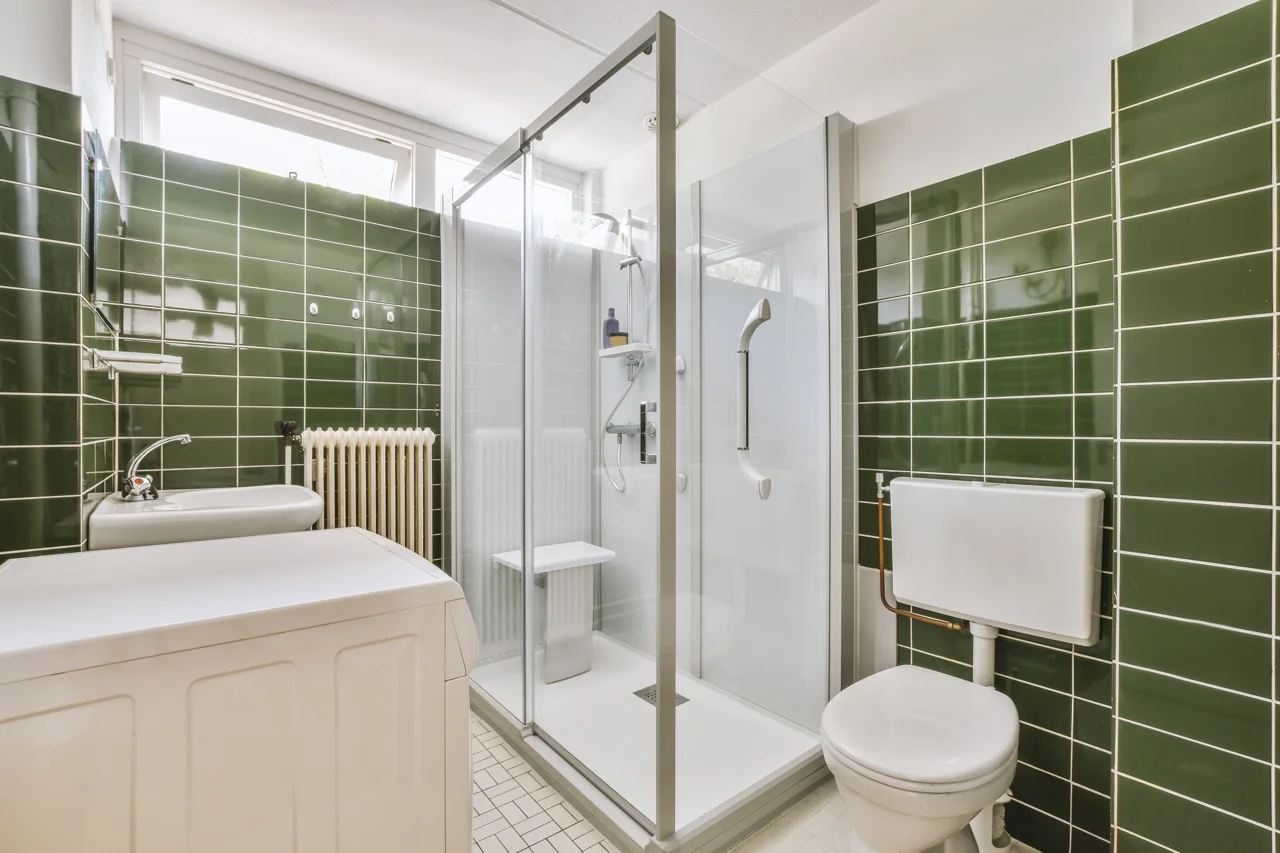
A walk-in shower is a barrier-free shower with easy entry and exit. It’s a practical option if you need a safer, more accessible bathroom that supports aging in place. Walk-in showers often include features like grab bars or built-in seating to improve comfort and security.
In this guide, we’ll explain the average cost of a walk-in shower, the main factors that affect pricing, and what to consider before starting a remodel project.
How Much Does a Walk-In Shower Cost in 2025?
The cost range for a walk-in shower is $800 to more than $15,000.
- A small, prefabricated 32” x 32” shower typically costs between $800 and $1,200.
- ADA-compliant sizes typically cost between $900 and $2,800, while mid-size options range from $2,000 to $4,000.
- Larger luxury showers with premium finishes typically cost between $8,000 and $12,000.
A fully custom walk-in shower designed and installed by professionals generally starts at $6,500 and can exceed $15,000, depending on the design and materials you choose. Adding a soaking tub to the project increases costs by about $2,000 to $4,000.
New home construction is less expensive because the plumbing and layout are already planned. Remodeling an existing bathroom often costs more, as pipes may need to be relocated, waterproofing added, or floors repaired.
Factors That Affect Walk-In Shower Cost
Several details influence how much you will pay for a new walk-in shower. Let’s look at the main factors one by one so you can see where most of the shower remodel costs come from.
Type of Shower
The type you choose has a major impact on the price of walk-in showers for the elderly.
- Prefabricated showers cost between $800 and $2,000. These units come in single- or multi-piece formats and install with less labor.
- Custom walk-in showers cost $6,500 to $15,000 or more. They require on-site construction with tile, stone, or other materials and take more time to install.
- Tub-to-shower conversions add $2,000 to $4,000 to the project because removing a bathtub and rerouting plumbing increases labor and material costs.
- Shower-and-tub combos are less common but add flexibility if you want both bathing and showering options. They cost more than a basic walk-in shower because they combine two systems and require extra plumbing.
Materials
Material choice plays a direct role in the total cost of a walk-in shower. Acrylic and fiberglass fall on the lower end, with most units priced between $800 and $2,500. These options install quickly and require little maintenance.
Ceramic tile raises the cost because it involves more labor for cutting and grouting. A tiled shower usually ranges from $4,000 to $8,000, depending on the size of the space.
Natural stone and custom tile are the most expensive choices. They often start around $7,500 and can exceed $15,000 when combined with custom design features.
Size and Layout
The more square feet the shower covers, the higher the material and labor costs. If your bathroom has limited space, sticking with standard sizes is the most cost-effective option.
A standard 32” x 32” stall usually falls between $800 and $1,200. An ADA-compliant 36” x 36” unit designed for accessibility ranges from $900 to $2,800. Mid-size showers, such as 40” x 63”, often cost $2,000 to $4,000 because they need more wall panels or tile. Large walk-in showers designed for two people or built with custom layouts can cost $8,000 to $12,000. Walk-in showers for seniors prices rise further when the project requires moving walls or extending plumbing.
Labor & Installation
Plumbers usually charge $50 to $150 per hour to reroute or install new pipes. Moving drains, upgrading supply lines, or replacing the shower pan can add several hundred dollars to the total bill.
Basic installation for a prefabricated unit often costs $1,000 to $3,000. A custom walk-in shower requires more time for tile work, grout, and waterproofing, so labor can reach $4,000 to $8,000. If walls or flooring need rebuilding before the shower can be installed, costs rise further.
Paying for skilled labor reduces the risk of leaks or structural problems that could lead to higher expenses later.
Additional Features
Adding features to a walk-in shower increases cost but also improves safety and usability. Common upgrades include:
- Grab bars: $100 to $500 each, depending on size and installation.
- Built-in seating: $200 to $800 for prefabricated seats, $1,000+ for custom benches.
- Glass doors or enclosures: $700 to $1,500.
- Rainfall showerheads: $150 to $500.
- Upgraded faucets and fixtures: $200 to $1,000, depending on brand and finish.
These features raise the upfront price, but offer long-term safety, comfort, and added resale value. Some homeowners also compare the cost of a walk-in tub to a walk-in shower. Walk-in tubs generally cost more and take longer to install, but they may provide therapeutic benefits. Walk-in tub shower combos cost around $10,500 on average, depending on their size and features.
Walk-In Shower Options and Costs
Walk-in showers fall into three main categories. Each option comes with different costs and features:
- Prefab walk-in shower: Usually $800 to $2,500. These showers are pre-made and installed quickly, which lowers labor costs. Prefab models are the most budget-friendly choice if you want a simple upgrade without a full bathroom remodel.
- Mid-range remodel: Typically $4,000 to $8,000. This range covers larger showers with high-end materials such as tile or acrylic wall panels. Mid-range projects often include standard features like grab bars or glass doors, giving you long-term functionality without a luxury price tag.
- Custom high-end shower: Often $8,000 to $15,000 or more. Custom projects may include natural stone, custom tile, or a full glass enclosure. They take more time and labor, especially if the walk-in shower remodel involves moving plumbing or expanding the shower size.
For details on pricing and providers, see our best walk-in showers guide, where we review top companies, compare features side-by-side, or see how to get financial assistance for your walk-in shower.
DIY vs. Professional Installation
You can install a prefabricated shower yourself if it fits the space and plumbing is already in place. These units come in panels that connect to a shower base and usually require sealing and basic carpentry.
DIY work stops there; tile, stone, or custom showers need waterproofing, drain adjustments, and grout. These tasks demand tools and skills most people do not have. Mistakes can lead to leaks or mold and often void product warranties.
Professional installation covers the full remodel. Labor adds $1,000 to $8,000 depending on size and design. Plumbers move or replace pipes, and installers handle waterproofing, shower pans, and wall systems.
If you plan to add grab bars, built-in seating, or ADA layouts, you will need trained installers. These elements must be secured into wall studs and sealed properly to stay safe over time.
Ways to Lower the Walk-In Shower Installation Cost
High-quality walk-in showers can be expensive, but there are steps you can take to keep the project within budget:
- Ask about discounts and financing. Many installers offer seasonal promotions, senior discounts, or payment plans. Warranties may also save you money by covering future repairs.
- Pick a prefabricated unit when possible. Prefab showers come ready-made and cost less to install. Choosing a standard size also avoids extra labor and wasted materials.
- Keep tile work to a minimum. The tile looks nice but adds cost because every piece must be cut, set, and grouted. Using acrylic or fiberglass panels instead can save thousands.
- Leave plumbing where it is. The biggest cost jumps happen when pipes or drains are moved. If you keep the new shower in the same spot, you avoid paying for rerouting.
Help us improve our guides! If you’ve recently installed a walk-in shower or completed a bathroom remodel, we’d love to hear from you. Share your experience with us at [email protected]. Your personal details will stay completely confidential.