
Retirement Living takes an unbiased approach to our reviews. We may earn money when you click a partner link. Learn More
In-Home Care
In-home care may sound simple, but for many families, it feels confusing. Understanding care for yourself or a loved one is important. This article explains in-home care so you can make clear choices with confidence.


Updated:
What Is In-Home Care for the Elderly?
In-home care provides support services at home. This means you can stay in your own space, rather than going to a nursing home or assisted living facility. It brings help directly to the person’s door. The goal is to keep seniors comfortable and independent in familiar surroundings.
In-home care can be flexible. Some people only need a few hours of help each week. Others need 24/7 care from trained staff. In-home care isn’t only a temporary fix; it can be a lasting plan. It supports seniors in living safely at home and aging where they feel most comfortable.
Caregivers
When people think of in-home care, they often picture one caregiver. But it usually involves a whole team. This team may include nursing assistants, registered nurses, therapists, or social workers. They follow a care plan made for the senior’s needs.
For example, one day a caregiver may help with bathing and meal preparation. A physical therapist might help with exercises one day. On another, a nurse could manage medication and wound care. Agencies have staff who check on caregivers. They ensure care stays consistent and update plans when needed.

Get matched with senior living that meets your needs
The Different Types of In-Home Care
In-home care offers more than just one solution. It provides a flexible range of services to meet various needs. Knowing the differences helps you choose the best support for your loved one.
Personal Care
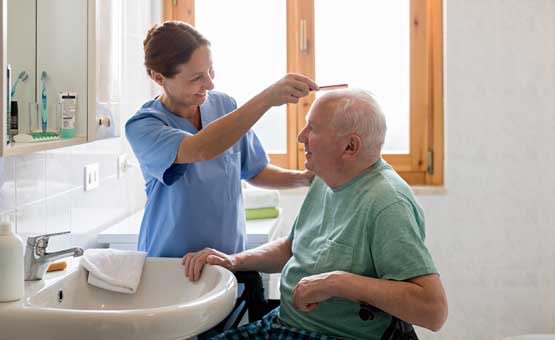
Personal care is often the first step. It helps with basic tasks, also called Activities of Daily Living (ADLs). These include daily activities like bathing, dressing, toileting, and eating. Caregivers can also help with moving safely around the house to lower the risk of falls.
Meal preparation and feeding support make sure seniors get proper nutrition. These in-home services help seniors stay safe and comfortable in their own homes.
Companion Care
Companion care focuses on friendship and emotional support. Health isn’t only physical—it also includes mental and emotional well-being. Companion care provides social interaction and emotional support. It also helps with daily tasks, called Instrumental Activities of Daily Living (IADLs).
A companion caregiver may talk with the senior, play games, or read aloud. They might also help with chores, errands, or rides to appointments. Most of all, companion care helps prevent loneliness and gives families peace of mind.
Skilled Nursing Care
Skilled nursing care is for seniors with medical needs. Certified medical professionals, including registered nurses (RNs) and licensed practical nurses (LPNs), deliver this care. They follow a doctor’s instructions.
Services can include giving medicine, changing dressings, checking vital signs, or providing IVs. Nurses can teach older adults and their families to manage chronic illnesses. This includes conditions like diabetes and heart disease. Skilled nursing care allows people to recover at home instead of going back to the hospital.
Why Choose In-Home Care?
Choosing a type of care is a personal and emotional decision. In-home care is appealing to many. It lets people stay close to what they know and love.
Maintaining Independence and Dignity
In-home care enables seniors to age in place in their own homes, allowing them to keep their routines, food preferences, and personal belongings. Staying home helps them feel in control and keeps their dignity. Even small choices, like when to eat or sleep, can make a big difference.
Personalized Attention vs. Institutional Care
In-home care focuses on one person. In contrast, assisted living facilities have caregivers who split their time among many residents. This personal attention strengthens relationships. It also helps caregivers spot health changes quickly.
Cost-Effectiveness
In-home care often costs less than a skilled nursing facility. This is especially true for those who don’t need 24-hour support. Families only pay for the services they use. It can also delay or prevent the need for a nursing home later, which saves money over time.
Who Benefits from In-Home Care?
In-home care is flexible, but some people and situations really enjoy it.
- Seniors with medical conditions. Caregivers assist with conditions such as diabetes, Parkinson’s disease, and dementia.
- People recovering after surgery or illness. In-home care services make healing easier. They can even prevent hospital readmissions.
- Seniors living alone. Companions provide conversation, run errands, and offer emotional support.
How to Find the Right In-Home Care Provider
Choosing a healthcare provider can feel like a big responsibility. With a clear plan, you can navigate the environment well and find the ideal match for your loved one.
Understand Your Loved One’s Needs
Consider what type of care is needed. Will they need assistance with bathing, meals, medication reminders, or medical care? Decide how many hours per day or week of help is needed. Planning ahead helps you choose the in-home care provider that checks all your boxes.
Ask Agencies The Following Questions
- Are they licensed and insured?
- How do they hire and train caregivers?
- How is the care plan made and updated?
- Can you meet the caregiver before starting?
- What happens in an emergency?
- What backup plan is in place if a caregiver is sick?
- How do they charge for services?
Create a Care Plan
A good agency will visit the home to check needs and safety. From this, they create a care plan. This plan should be updated as health or needs change.
Common Concerns About In-Home Care
It’s natural to have reservations when trusting a loved one’s care to someone new. It’s important to confront common worries directly.
Safety and Security
Families often worry about safety. Agencies should do background checks, reference checks, and sometimes drug tests. They should also have health insurance. Families can also ask about safety training and emergency steps. In-home care can involve medical equipment like walkers, oxygen tanks, and hospital beds. These tools help seniors feel safe and comfortable at home.
Quality of Care and Caregiver Training
The quality of care depends on the caregiver. Inquire about how agencies train their staff, like Certified Nursing Assistants. Also, ask if supervisors check in often. Families should talk often with the caregiver and agency to make sure needs are met.
Managing Costs and Insurance
Medicare usually does not cover non-medical care like companionship. It may cover skilled nursing care if a doctor orders it. Eligibility for Medicaid may cover more medical services for the senior. Some people also use long-term care insurance, private insurance, or pay out of pocket.
FAQs
In-home care means getting professional help while you stay at home. This way, you don’t have to move to a nursing home or assisted living facility. It can help with daily tasks like bathing, dressing, and meal prep. It also offers companionship and medical care from trained caregivers. The goal is to help seniors stay safe, healthy, and independent in a familiar environment.
Personal care is the most common home care service. It assists seniors with daily tasks they might find challenging. This includes bathing, dressing, using the bathroom, grooming, and meal preparation. Personal care helps seniors stay safe, healthy, and independent at home.
Home health care services usually include three main types:
– Personal care
– Companion care
– Skilled nursing care
Personal care helps with daily tasks like bathing, dressing, and meal prep. Companion care provides social support, friendship, and help with errands. Skilled nursing care comes from licensed nurses. It includes managing medications, caring for wounds, and monitoring chronic conditions. These services can be combined based on a senior’s specific needs.
Choosing the right home health aides begins with knowing your loved one’s needs. They may need help with daily tasks, medical care, or companionship.
Check if home health agencies are licensed and insured. Also, ask about caregiver training and background checks. Learn how they make and update care plans.
Meeting potential caregivers is key. Talk about schedules, costs, and emergency procedures. This way, you can find a reliable and compassionate provider who suits your family member’s needs.
Bottom Line: In-Home Care Helps Seniors Age-In-Place Safely
In-home care offers a great option for families. It keeps loved ones safe and comfortable in their own homes. Senior care choices can be overwhelming, but this solution makes it easier. It allows seniors to live where they feel at home. They are surrounded by familiar things and caring support. In-home care protects independence, dignity, and quality of life.
Additional In-Home Care Resources
Those looking for information about home health care on Retirement Living also found these resources helpful.
- Elder financial abuse involves the misuse of money by a friend, family member, or stranger. Read about how you can prevent elder financial abuse and see tips for those who suspect elder financial abuse.