
Social Security scams targeting seniors are on the rise
The latest capitalizes on interest in the 2026 COLA
Updated:

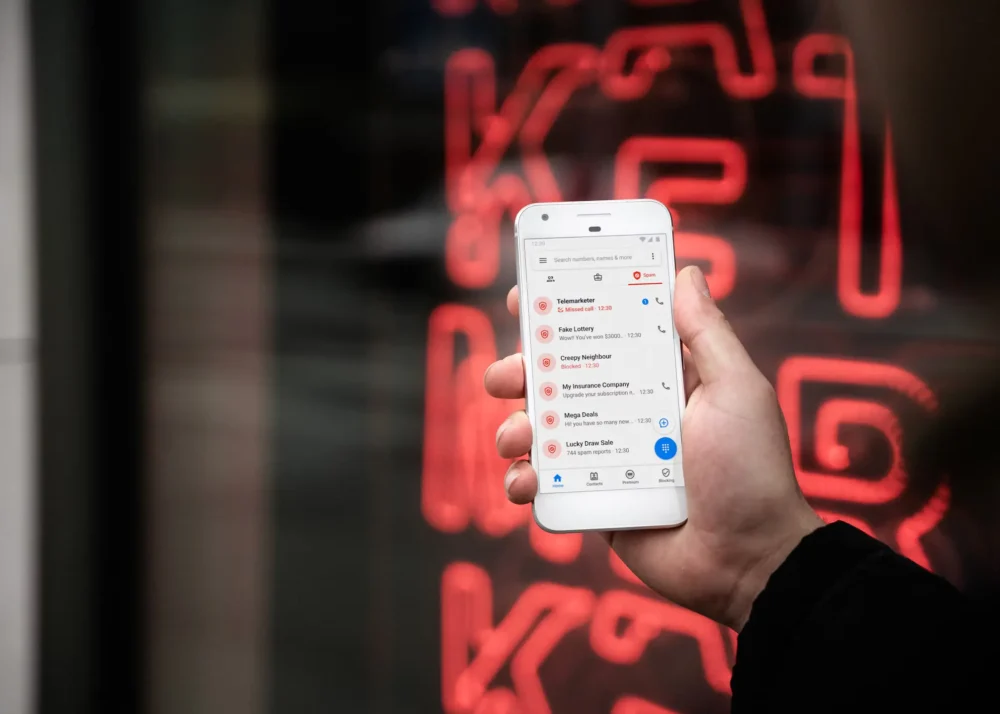
Photo by Lindsey LaMont on Unsplash
Key Insights
- Scammers pose as Social Security representatives to steal money or personal information.
- Calls, emails, and even texts are increasingly sophisticated and often appear legitimate.
- The Social Security Administration (SSA) will never call to threaten arrest or demand immediate payment.
Over the next two months, seniors will likely hear a lot about projections for the 2026 Social Security cost-of-living adjustment, which will be formally announced in October. Until then, there will be a lot of guesses about its amount.
Scammers realize that the subject is top of mind with beneficiaries and are already hatching schemes to cash in.
“They’ll claim that you have to apply for that increase and give you a link to go apply,” said Troy Baker, the vice president of Strategic Partnerships and Market Expansion with the Better Business Bureau of Michigan. “And guess what you need to provide in that link? Your social security number.”
Seniors should remember the Social Security Administration will only contact you through the mail, so if you get a text, email or phone call that claims it’s from them, it’s a scam. Also remember that any cost-of-living increases will happen automatically.
Because seniors are attractive targets, scammers have other dirty tricks up their sleeves:
- Impersonation Phone Calls
Scammers often call claiming your Social Security number has been “suspended” due to suspicious activity. They may threaten arrest, loss of benefits, or frozen accounts unless you make immediate payments, often through gift cards or wire transfers. - Phishing Emails and Texts
Fraudulent messages may look official, using SSA logos and professional formatting. These messages typically ask you to “verify your account” or click links that lead to fake websites designed to steal your information. - Fake Benefit Problems
Some con artists pretend to help you fix “errors” in your benefit payments. They may request a fee to process corrections or promise faster service in exchange for your banking details.
How to Stay Safe
- Verify the Source: If you receive a suspicious call, hang up. Contact the SSA directly at 1-800-772-1213.
- Ignore Threats: The SSA will never threaten arrest, demand immediate payment, or request payment via gift cards.
- Protect Personal Data: Never share your Social Security number or banking details over the phone or email.
- Report Fraud: Suspicious activity should be reported to the SSA’s Office of the Inspector General at oig.ssa.gov.
Seniors should remain alert and skeptical of unexpected calls, emails, or texts about Social Security. Awareness and caution remain the strongest defenses against scammers who prey on trust and fear.