
Experts share keys to a successful aging process
Adopting and maintaining healthy habits promotes increased longevity
Updated:

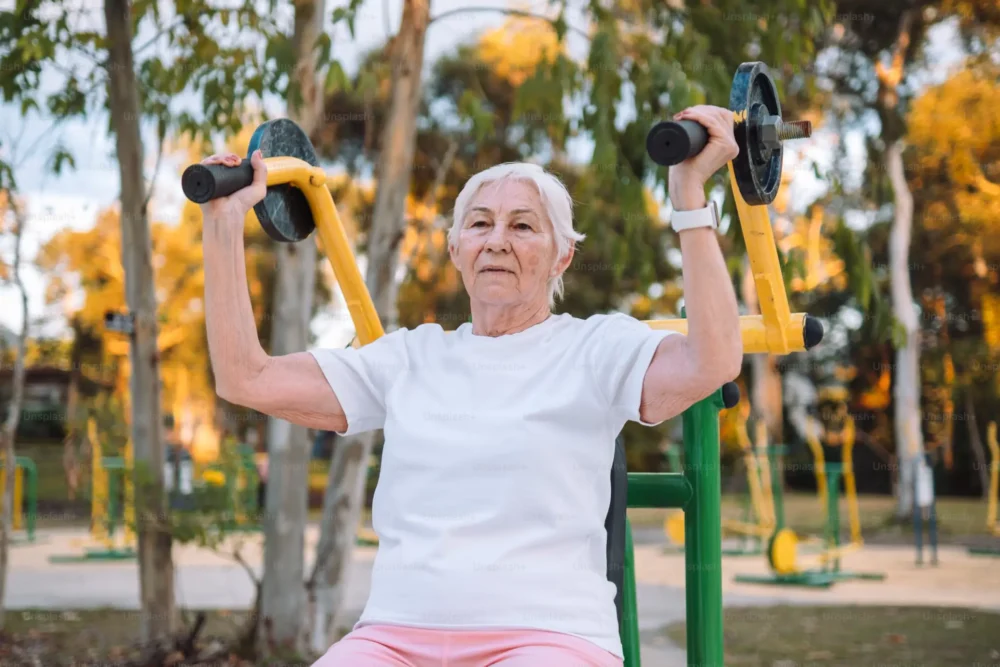
Photo by George Dagerotip on Unsplash
Key Insights
- Experts say aging well depends on combining exercise with a balanced diet.
- Strength training can help seniors maintain independence and prevent falls.
- Proper nutrition and portion control play a critical role in maintaining health.
The current population of baby boomers is redefining aging. Generations ago, retiring at age 65 often marked the beginning of a quieter, sedentary stage of life.
Today, with people living well into their 80s and 90s, researchers and health experts say the golden years can be vibrant, provided older adults adopt the right habits.
Joseph Signorile, professor in the Department of Kinesiology and Sport Sciences at the University of Miami, has dedicated his career to understanding how physical activity shapes the aging process.
In his book Bending the Aging Curve: The Complete Exercise Guide for Older Adults, Signorile explains that aging naturally brings a decline in muscle mass, strength, and quality. However, this decline can be slowed—and in some cases reversed—through consistent strength-based training.
For example, daily resistance exercises using weights or machines can help seniors perform essential tasks like standing from a chair, climbing stairs, and carrying groceries. Signorile emphasizes the importance of proper guidance when starting an exercise routine, noting that a trained coach can help tailor workouts to an individual’s needs and prevent injury.
“Muscles adapt to the demands placed on them,” Signorile said. “If you tell them it’s okay to sit on the sofa all day, they’ll oblige. But if you challenge them, they’ll respond with greater strength and resilience.”
Signorile also underscores the value of recovery, reminding older adults that progress comes not from exercising until it hurts, but from alternating effort with rest.
Nutrition matters too
Arlette Perry, also a professor of Kinesiology and Sport Sciences at the University of Miami, points out that fitness and nutrition are inseparable. With slower metabolisms, seniors are more prone to weight gain and related health risks such as high blood pressure and heart disease. Portion control, she says, is a simple yet often overlooked key to healthy aging.
“Many people don’t realize they’re eating three or four times the recommended serving sizes,” Perry explained. Oversized portions of foods like muffins, meats, or starches contribute to hidden excesses in sugar, protein, and calories.
Perry recommends that older adults focus on high-fiber diets rich in beans, vegetables, fruits, and whole grains. She encourages shopping at farmers’ markets for fresh, local produce and limiting red meat in favor of plant-based alternatives. Adequate protein intake remains important, as does considering supplements like vitamins B12, C, and D when dietary sources fall short.
While diet and exercise are cornerstones of healthy aging, aging experts agree that staying socially active and engaged in the community is equally vital. Social connections, they note, can reduce the risks of depression and cognitive decline, contributing to a better overall quality of life.