
Cocoa supplements show promise in fighting age-related inflammation
Reducing inflammation is one key to healthy aging
Updated:

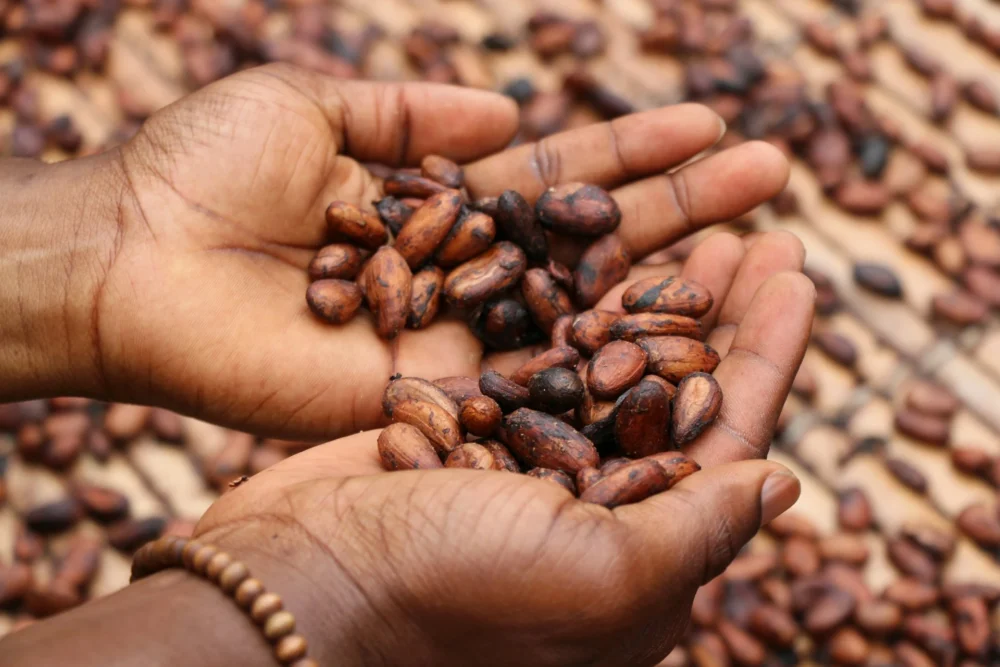
Photo by Etty Fidele on Unsplash
Key Insights
- Daily cocoa extract supplements reduced levels of hsCRP, a key inflammation marker linked to heart disease, in older adults.
- The findings suggest cocoa flavanols may help explain cocoa’s heart-protective effects.
- Researchers say cocoa extract could support healthy aging but isn’t a substitute for a balanced, plant-rich diet.
Could a daily dose of cocoa help the body age more gracefully? A new study suggests it might.
Researchers at Mass General Brigham and their colleagues have found that cocoa extract supplements rich in flavanols may reduce inflammation in older adults, potentially lowering the risk of chronic, age-related diseases such as cardiovascular disease.
The research, published in Age and Ageing, draws from the large-scale Cocoa Supplement and Multivitamin Outcomes Study (COSMOS). The trial, which began in 2014, included more than 21,000 adults over the age of 60 and has already shown that cocoa extract supplements lowered cardiovascular disease mortality by 27%.
This latest analysis focused on 598 participants who provided blood samples over two years. The team measured five markers of inflammation, often referred to collectively as “inflammaging.” They found that one of the most important – high-sensitivity C-reactive protein (hsCRP) – fell by an average of 8.4% each year among those taking cocoa extract compared to placebo. Elevated hsCRP is known to raise the risk of heart disease.
Surprising change
Other inflammatory markers remained stable or increased modestly, but one surprising change stood out: an increase in interferon-γ, an immune-related protein. This finding, researchers say, raises new questions about how cocoa extract might influence immune system function.
“Cocoa extract is not a replacement for a healthy lifestyle,” said senior author Dr. Yanbin Dong of Augusta University. “But these results are encouraging and highlight its potential role in modulating inflammation as we age.”
The benefits appear to stem from cocoa flavanols – plant-based compounds also found in berries, grapes, and tea – that have been shown in smaller studies to reduce inflammation. By demonstrating an effect in a large, long-term human trial, the COSMOS team says its work helps connect the dots between diet, aging, and cardiovascular health.
Dr. Howard Sesso of Brigham and Women’s Hospital, who helped lead the research, emphasized that while supplements show promise, they should complement, not replace, a diverse, colorful, plant-based diet. “This study reinforces the importance of plant foods for cardiovascular health, including cocoa products rich in flavanols,” he said.
As the COSMOS trial continues, scientists will further examine whether cocoa and multivitamin supplementation can influence more severe inflammatory changes and broader aging-related health outcomes.
For now, the findings add to a growing body of evidence suggesting that the foods we eat – or the supplements we take – can play a key role in how well we age.