
How active ETFs can help retired investors navigate market volatility
Money managers can reduce risk by employing tactical decision-making
Updated:

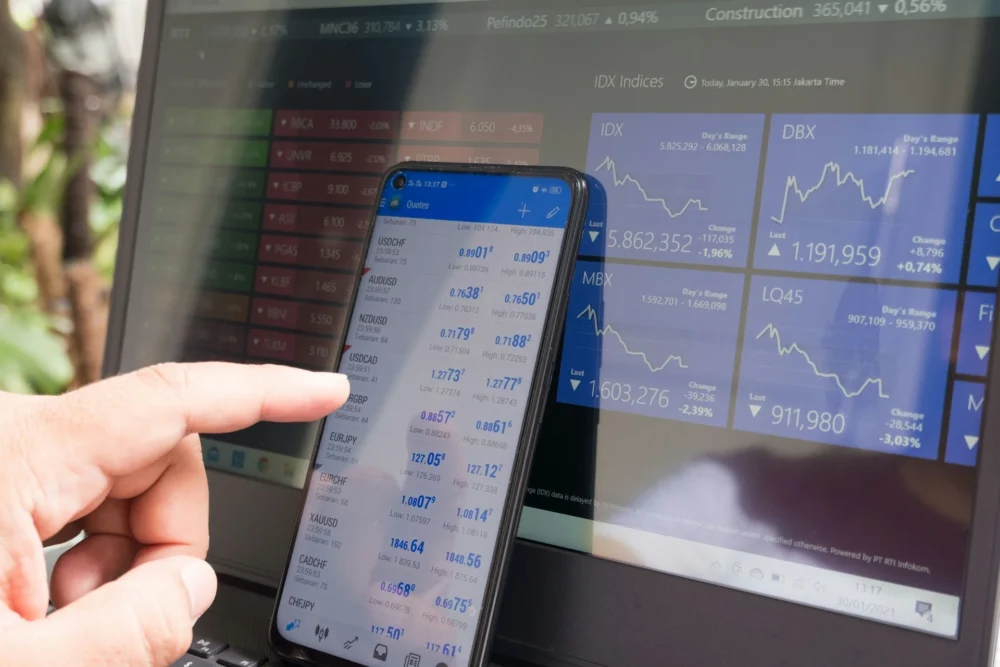
Photo by Marga Santoso on Unsplash
Key Insights
- Active exchange traded funds (ETFs) give professional managers flexibility to react quickly to changing market conditions.
- They can help diversify risk by blending traditional index strategies with tactical decision-making.
- Transparency and liquidity make active ETFs easier for everyday investors to use compared to many mutual funds.
Markets rise and fall, with volatility posing a challenge to retirees’ financial management. While traditional index-based ETFs passively track benchmarks like the S&P 500, active ETFs take a more hands-on approach. In today’s unpredictable economic environment, hands-on management can be valuable.
Active ETFs allow professional portfolio managers to make real-time decisions, such as shifting out of sectors that may be under pressure or increasing exposure to areas with stronger growth prospects. For example, during inflationary periods, an active ETF manager might reduce holdings in rate-sensitive companies and boost exposure to commodities or dividend-paying stocks.
Balancing stability and growth
One of the strengths of active ETFs lies in their hybrid nature. They combine the diversification and low costs of traditional ETFs with the tactical expertise of active management. This can help smooth out the ride for investors by reducing exposure to sharp downturns while still aiming for long-term growth.
For retail investors, this means greater resilience in turbulent times without the need to constantly rebalance their own portfolios. Active ETFs can also provide access to niche strategies – such as sustainable investing, emerging markets, or alternative assets – that may not be easily available through passive funds.
Transparency and accessibility
Unlike many traditional mutual funds, most active ETFs disclose their holdings on a daily basis, giving investors more insight into what they own. They also trade on exchanges like stocks, offering flexibility to buy and sell throughout the day. This combination of transparency and liquidity makes them particularly attractive for investors who want professional oversight without sacrificing flexibility.
Active ETFs are not a guarantee against losses, but they can help investors navigate market volatility with more confidence.
By leveraging professional management, diversifying risks, and maintaining transparency, these funds provide a middle ground between passive investing and actively managed mutual funds. For consumers seeking stability in uncertain markets, active ETFs may be worth a closer look.