
Retirement Living takes an unbiased approach to our reviews. We may earn money when you click a partner link. Learn More
Walk-In Tub Installation Guide
Step-by-step instructions, cost considerations, and expert tips to help you plan a safe and stress-free walk-in tub installation.


Updated:
At a glance:
- Before installation, remove the old tub and ensure the subfloor is structurally sound enough to support the walk-in tub, which can weigh up to 800 pounds.
- Installation costs can range from $2,500 to $8,000; however, additional features can increase costs by $1,500 to $5,000.
- Walk-in tubs reduce fall risks and incorporate safety features such as non-slip flooring and grab bars.
Walk-in tubs are bathtubs designed for seniors and people with mobility issues. They are created to provide people with a more convenient, comfortable, and safer bathing experience. Additionally, walk-in bath tubs increase independence, as they are easy to get in and out of with little to no help from a caregiver.
Below, we guide you through the installation process step by step, so you know what to expect and can plan accordingly.
Steps for Walk-In Tub Installation
First, we highly recommend having a professional install your new tub. Professional technicians ensure all the plumbing and electrical components are properly connected. Also, DIY installation typically results in voided warranties.
1. Remove the Old Tub
The first step to installing your new tub is to remove the existing tub or shower. This will typically involve demolition and disconnecting the plumbing. Proper tools for this include a pry bar, hammer, adjustable or basin wrench, drain wrench, pliers, and more. The installation crew should have all of the needed tools with them to make this process simple.
2. Prepare the Space
Once the old tub is safely removed, prepare the space by removing all debris and old sealant. It’s also vital to make sure the subfloor is level and structurally sound. If the floor is not level, you can usually adjust the tub’s feet to make the unit sit perfectly flat. This is important for the door mechanism to function correctly.
The next step in preparing the space is ensuring the existing drain and water supply lines are in the correct location. You also want to double-check the size of the drains and supply lines. Make sure they will fit the connections on the new tub before installation.
3. Bring in and Level the Walk-In Tub
The next step is to bring in the new tub. However, you should measure the narrowest width of the tub and compare it to your door frame. Some walk-in tubs may be larger than the standard door frame. If this ends up being the case, you may have to disassemble the frame to get the tub into your bathroom. Once the tub is in, position it in the proper space. Ensure the tub is level and aligned with the drains.
4. Connect Plumbing and Electrical Systems
Once the tub is leveled and the drains aligned, connect the water supply lines. If your tub has a dual drain system, you may need to drill new holes in the subfloor. If this proves to be the case, a certified plumber can handle the process and ensure the drain system is properly connected.
For the electrical systems, hire a qualified electrician to install and connect all the circuits and junction boxes. This is especially important to have a professional handle, as they can ensure all the work complies with local electrical codes as well as the manufacturer’s specifications.
Ensure all the features function properly. Check the water pressure and fill rate, adjusting the drain connections if necessary. It’s also important to ensure that all electrical features are in proper working order.
5. Install Fixtures
Once the tub is connected, it’s time to install the fixtures. This includes the faucet, shower head, grab bars, handles, drain covers, and more. Be sure to follow the manufacturer’s guides to assemble all the fixtures properly.
6. Finish the Fit
If you had a standard tub and shower combo, the walk-in tub may not cover the entire space. Luckily, many walk-in tubs come with wall panels to cover unused space in an aesthetically pleasing way. Install panels and apply silicone and caulk to seal the tub and panels. This will create a watertight finish and prevent leaks.
Clean up remaining debris and tools. Once the tub is installed and cleaned, you can add any decorations you’d like to create a visually appealing environment.
Important Considerations When Installing a Walk-In Tub
Before you follow our walk-in bathtub installation guide, there are some things you should consider.
- Tub Weight: When filled with water, a walk-in tub can be very heavy, weighing up to 800 pounds. Ensure your floor can support the weight and add reinforcements if necessary.
- Leak Testing: Before installation and after finishing the plumbing, test the water connections to check for any leaks in the pump, heater, and pipe fittings.
- Professional Installation: As stated before, hiring a professional to install the walk-in tub is highly recommended. This is due to specialized plumbing and electrical work, as well as ensuring safety and compliance with building codes.
- Installation Costs & Time: Be aware of potential additional costs associated with bathroom remodeling, such as new tiles, modified doorways, or upgraded drainage systems. Basic installations usually take only one day, but complications can extend the process.
Cost of Installation and Long-Term Maintenance for Walk-In Tubs
The cost of a walk-in tub ranges anywhere from $2,300 to $25,000. However, not every manufacturer offers installation services, so you will either have to handle installation yourself or hire a professional. Installation costs can range from $2,500 to $8,000; however, with additional features such as hydrotherapy or air jets, costs can increase by $1,500 to $5,000.
Keep these prices in mind, as well as any other renovation costs, when budgeting for the tub. Homeowners can usually request free quotes from service providers when planning in-home improvements, making it easier to plan a budget.
It’s also important to consider the long-term maintenance of owning a walk-in tub. Experts recommend rising and wiping the tub down daily (or after each use) to prevent buildup; you should also flush the jets monthly if your tub has a whirlpool or air system.
Use only non-abrasive cleaners. It’s good to stick with gentle, fiberglass-safe products like vinegar solutions or mild dish soap to protect your tub’s surface and avoid damage. Sometimes, manufacturers provide tips on how to care for your walk-in tub, so following their guidelines is also important.
Walk-In Tubs vs. Walk-In Showers
Another factor to consider is whether a walk-in tub or shower is better for you. The choice ultimately depends on your needs and preferences. Below, we explain how a walk-in tub works and how that compares to a walk-in shower, helping you identify which might better suit your needs.
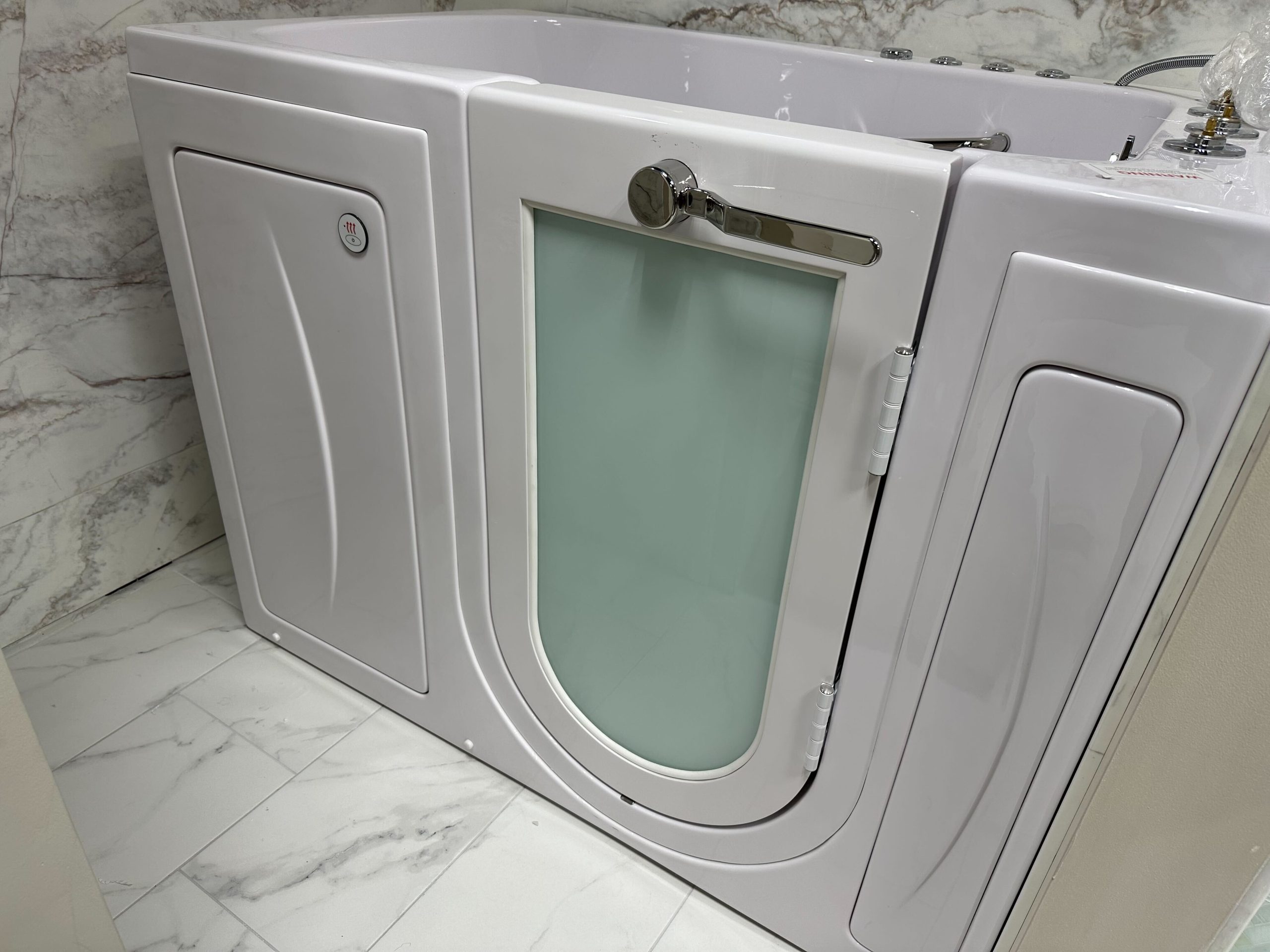
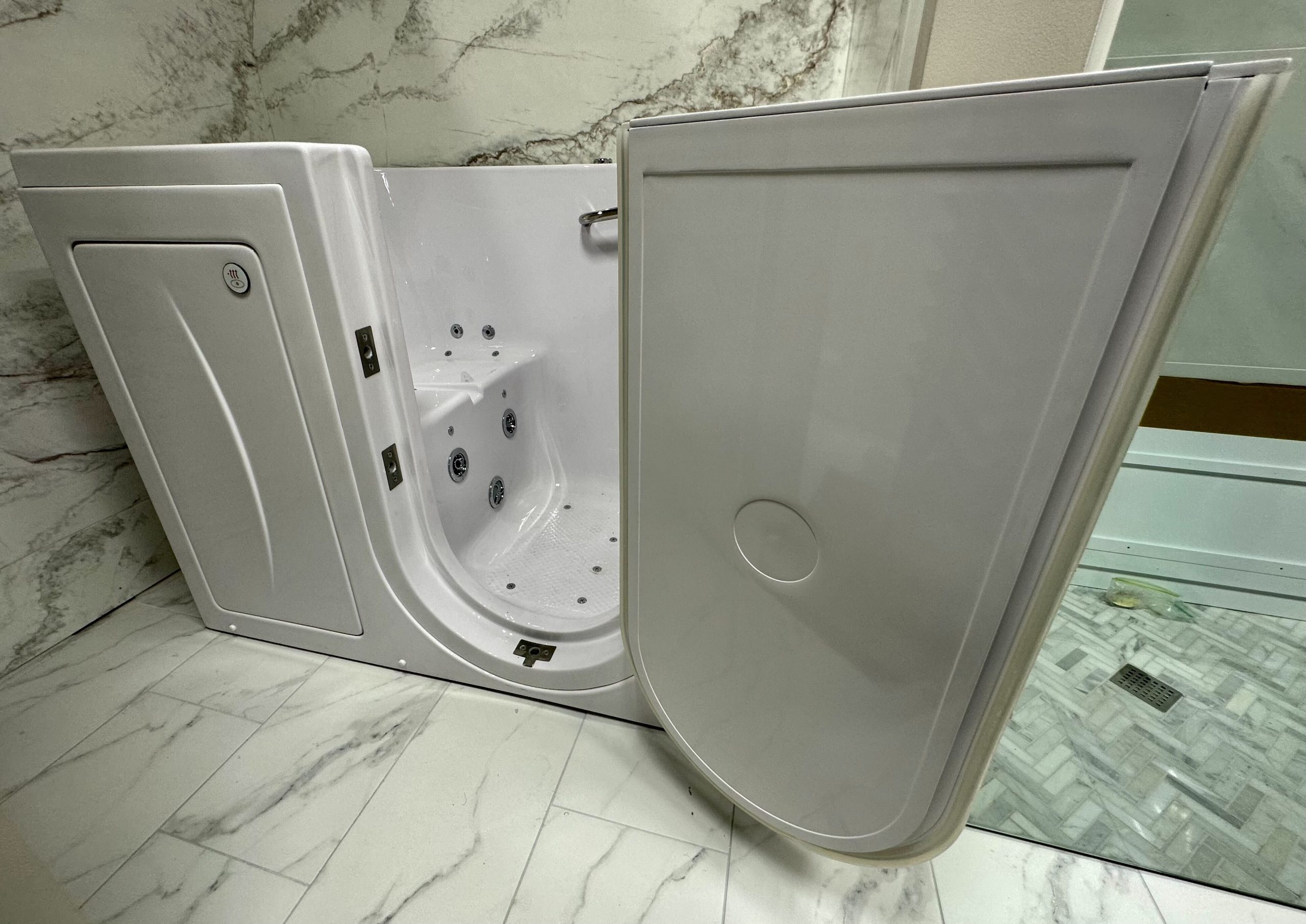
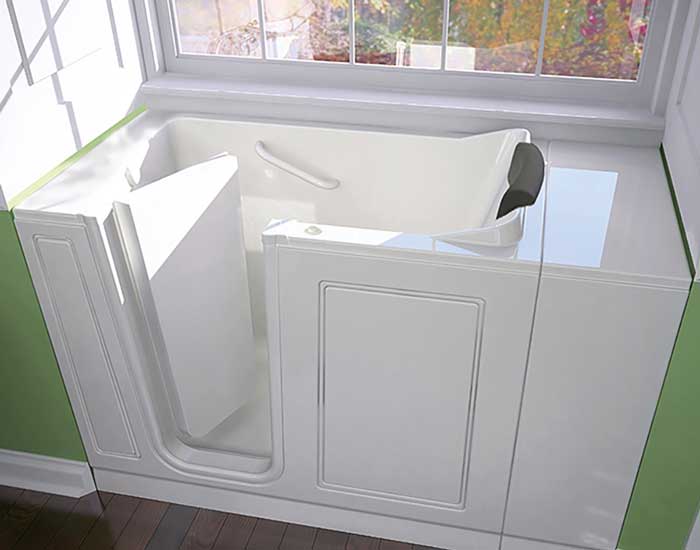
Walk-in tubs use a door, allowing you to easily step into the tub. The doors have a watertight seal, which prevents water from leaking. Once inside, you sit on a built-in seat and fill the tub with hot water. Some walk-in tubs have a seat heater, keeping you warm while the tub fills. They also sometimes come with a handheld shower attachment, allowing you to clean yourself more easily. However, you do have to drain the tub before exiting, so keep that in mind.
Walk-in showers, on the other hand, are simply shower units, without a tub for soaking. But they have a low threshold, making it easy to step into. Walk-in showers may or may not have a door to keep water and heat in. If they don’t have a glass door, they usually have a partial wall for privacy. These showers typically have a built-in bench and grab bars, ensuring safety and comfort.
When choosing between a walk-in tub or shower, consider your needs and preferences. Both are great ways to increase at-home independence and safety.
Why Install A Walk-In Tub?
You should install a walk-in tub for improved safety and accessibility, especially for seniors or people with mobility issues. Walk-in tubs reduce fall risks by eliminating high tub walls and adding safety features like slip-resistant flooring and grab bars.
Walk-in tubs have many additional benefits, such as enhanced comfort with features like heaters and massage jets. Here are some of the main advantages of installing a walk-in tub:
- Reduced fall risk: Walk-in tubs have a low entry threshold and in-tub seating, which makes getting in and out of the tub much safer than traditional tubs and helps prevent slips and falls.
- Independent living: For seniors or those with mobility challenges, walk-in tubs offer a safer way to bathe, supporting independent living at home.
- Temperature control: Some tubs have built-in heaters for the seats and backrest. Others may have in-line heating systems to keep the water warm for a prolonged soak.
- Comfortable seating: The built-in seats are raised, making them easier on the knees and back, and offering a more stable bathing position.
- Therapeutic features: Many walk-in tub models have features like water jets or microbubble therapy, which can help relax sore muscles, relieve tension, and improve circulation.
The Bottom Line
Installing a walk-in tub is more than a home upgrade; it’s an investment in both safety and independence, especially for seniors and people with mobility issues. If you’re considering a walk-in tub, compare models, request quotes, and weigh the features to find the tub that’s best for you and your loved ones.
With the proper planning, your bathroom can become a safer, more accessible space that supports your health and well-being for years to come.
Frequently Asked Questions (FAQs)
No, Medicare doesn’t cover the cost of walk-in tubs since they aren’t considered durable medical equipment. However, some Medicare Advantage plans may offer coverage for them. You can also explore financing options offered by the manufacturer to make payments more manageable.
Generally, replacing a traditional tub-shower combo with a walk-in tub won’t decrease your home’s value, especially if you live in a senior-friendly neighborhood or have a traditional bathtub in another bathroom. However, some buyers may not prefer a walk-in tub, especially if they have younger children.
Because walk-in tubs are deeper and sometimes wider than traditional tubs, you will likely need to upgrade your water heater. The standard water heater can heat about 40 to 50 gallons of water, but walk-in tubs can hold up to 80 gallons. Upgrading your water heater will ensure you have a comfortable bathing experience.
The cost of walk-in tubs ranges from $2,300 for a basic model to $25,000 for a two-person, spa-like experience. The installation cost can add between $2,500 and $8,000, depending on the manufacturer, model, and any added features.
Walk-in tubs require a minimum 1 ½” sanitary drain line, a properly sized water heater, and potentially a dedicated 20-amp, 120-volt GFCI electrical circuit for features like hydrotherapy jets or air heaters. Your existing plumbing and drain line layout are crucial factors as well. If they don’t work with the walk-in tub’s system, modifications may be required. It’s best to have a professional plumber assess your home’s plumbing system before installing a walk-in tub.
Help us improve our data! Email your latest walk-in tub quote to [email protected] or submit a review about your experience. Your personal details will remain completely confidential.