
Capital gains taxes blamed for housing market gridlock
Moody’s report finds outdated tax caps keeping seniors in oversized homes
Updated:

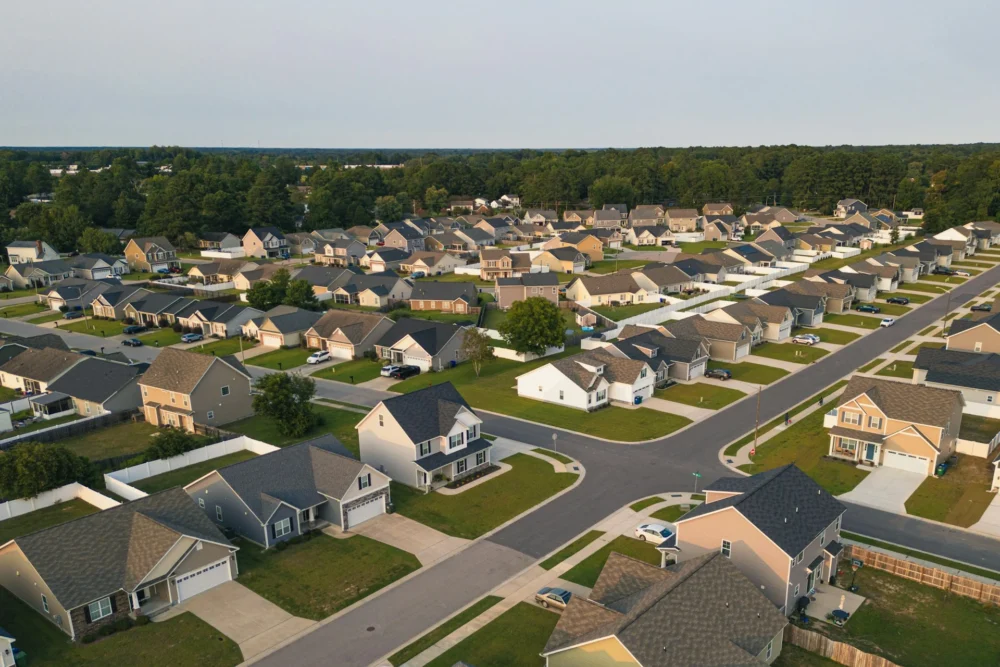
Photo by Getty Images on Unsplash
Key Insights
- Outdated tax caps: Capital gains exclusions for home sales have not been adjusted since 1997, leaving many seniors “locked in” oversized homes to avoid six-figure tax bills.
- Market gridlock: With fewer seniors downsizing, families can’t trade up, first-time buyers face limited supply, and mobility in the labor market suffers.
- Wider costs: The misallocation costs older households $20–30 billion annually in extra expenses, while younger families endure cramped living conditions and delayed homeownership.
A new analysis from Moody’s Analytics warns that U.S. capital gains tax policy is creating a housing logjam that leaves many retirees stuck in homes far larger than they need, while younger families struggle to find adequate space.
The study concludes that millions of so-called “empty nest” households remain in houses two to three times larger than necessary because selling would trigger hefty tax bills. The resulting market freeze blocks trade-up buyers and first-time buyers alike, worsening affordability and mobility challenges across the economy.
Key Findings
- 6 million seniors overhoused: Roughly 3.5 million households led by people aged 65–74 and another 2.3 million aged 75+ live in homes larger than 2,500 square feet — often with just one or two occupants.
- 28% of single-person households oversize: More than 10 million Americans live alone in houses exceeding 1,500 square feet, nearly double the national average of 700 square feet per person.
- Tax caps frozen since 1997: Current exclusions of $250,000 (single) and $500,000 (married) have not been adjusted for nearly three decades. Indexed to home price growth, they would be $885,000 and $1.77 million today.
- High costs for older owners: A widow selling a 2,800-square-foot home in a high-appreciation market could face over $100,000 in taxes, wiping out 20% of her downsizing proceeds.
Why It Matters
The misallocation of housing affects more than just seniors:
- Families stuck in starter homes: With fewer large homes available, growing families can’t trade up, forcing many into cramped spaces.
- First-time buyers shut out: A lack of turnover means fewer entry-level homes hit the market, leaving young buyers renting longer.
- Labor mobility suppressed: Workers are less willing to relocate when housing near jobs is scarce, limiting economic growth.
Moody’s estimates the inefficiency costs older households an extra $20 to 30 billion a year in maintenance, utilities, and property taxes — while underhoused families suffer stress, health effects, and reduced educational outcomes.
The Policy Debate
At the heart of the issue is the capital gains exclusion cap, unchanged since 1997. The report suggests several options:
- Indexing caps to inflation or home prices.
- Time-limited reforms to jump-start market turnover.
- Eliminating the cap entirely, which would cost the federal government $6–10 billion annually but could be offset by higher state and local revenues from property and transfer taxes.
Critics argue the policy doesn’t just hit the wealthy. Many caught by the caps are middle-class homeowners in high-cost states or those facing life crises like widowhood, divorce, or medical hardship.
Consumer Impact
For households considering downsizing, the decision often comes down to tax math: stay put and avoid a six-figure bill, or move and lose a chunk of life savings.
Meanwhile, younger buyers face higher rents, delayed family formation, and stiffer competition for limited housing stock. “The system is effectively taxing mobility,” the report concludes, “and the cost is borne by both overhoused seniors and underhoused families.”
Moody’s analysis frames capital gains taxes not just as a revenue issue but as a structural barrier in the housing market. Without reform, millions of homes may remain locked away from families who need them most — keeping pressure on prices, rents, and the broader economy.
Consumer Tip: If you’re a homeowner approaching retirement, talk with a tax advisor before selling. Strategies like timing sales, joint ownership, or state-level exemptions can reduce capital gains exposure and unlock more options for downsizing.