
Government shutdown likely to delay 2026 Social Security COLA announcement
The COLA announcement usually comes in mid-October
Updated:

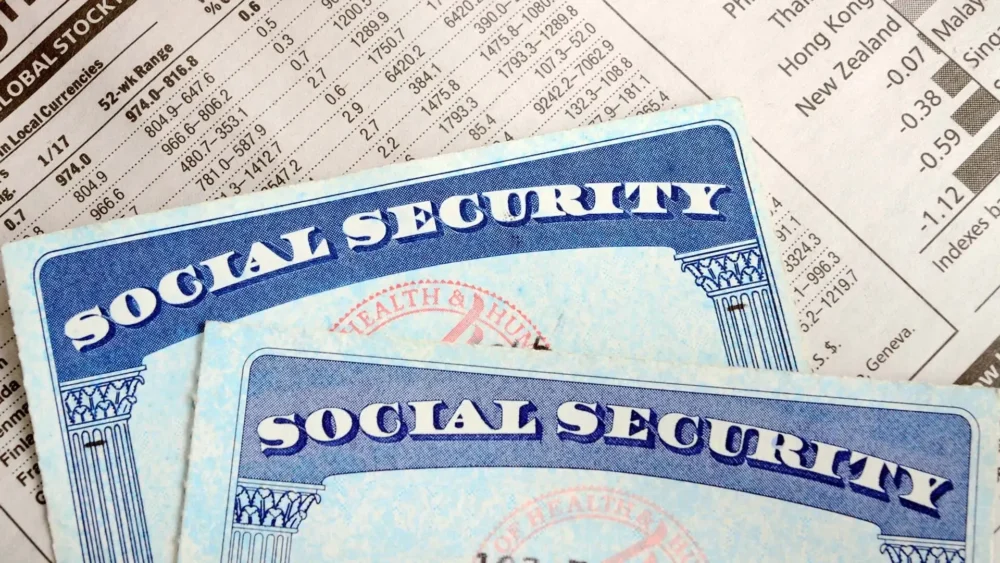
Photo by MSU Denver RED
Key Insights
- Social Security checks will still be paid, but the 2026 cost-of-living adjustment (COLA) announcement may be delayed.
- The COLA, normally announced in October, affects 71 million Americans and determines how much the monthly benefits increase to offset inflation.
- Retirees are urged to budget conservatively, track inflation trends, and prepare for uncertainty until the official COLA figure is released.
Social Security recipients eager to learn what the Social Security cost-of-living adjustment will be for 2026 may have to wait a little longer.
Normally, the announcement is made in mid-October, but the federal government shutdown that began last week is likely to result in a delay. While Social Security benefits themselves are expected to continue flowing, the announcement may be suspended.
The Social Security Administration (SSA) bases its annual COLA calculation on inflation data from the Consumer Price Index for Urban Wage Earners and Clerical Workers (CPI-W). That data is compiled and released by the Bureau of Labor Statistics (BLS), a division of the Department of Labor.
If BLS economists are furloughed during a shutdown, the data may not be published on time. In fact, the BLS was unable to release the jobs report on its scheduled date last week.
That’s more than an administrative hiccup. The COLA directly affects the monthly income of over 71 million Americans, including retirees, people with disabilities, and surviving family members. In 2025, the average retired worker received about $1,940 a month, and even small percentage adjustments can mean the difference between affording rent, groceries, or prescription drugs.
Why the COLA matters so much
Social Security’s annual COLA is intended to help benefits keep pace with rising prices. Without it, inflation steadily erodes purchasing power.
In recent years, retirees have seen some of the largest COLAs in decades due to higher-than-normal inflation. But if the announcement of the 2026 adjustment is pushed back, millions could be left in limbo, not knowing how much money they’ll have to budget for the new year.
Financial planners warn that uncertainty breeds risk. Households on fixed incomes may delay critical decisions, such as whether to downsize housing, adjust Medicare coverage, or withdraw from retirement accounts.
What is still happening during the shutdown
Despite fears, Social Security checks themselves will continue to be paid. SSA staff responsible for issuing benefits are considered “essential” employees. But other functions — like answering phones, processing claims, or verifying identity for new applicants — could slow significantly.
The bigger worry is the ripple effect from missing or delayed inflation data. The official COLA figure is usually announced in mid-October, based on the third quarter’s inflation data (July, August, September). If a shutdown disrupts the September release, the calculation itself may be postponed.
The political angle
With Social Security already facing long-term solvency concerns, any hiccup in COLA reporting can quickly become a political flashpoint. Lawmakers who oppose government shutdowns argue that retirees shouldn’t be collateral damage in budget battles. But unless Congress acts quickly, retirees may find themselves waiting — and worrying — about how much more (or less) they’ll get in 2026.
The last estimate of the 2026 COLA was 2.7%. It’s unlikely that inflation eased very much in September, so that estimate may hold up. Time will tell.