
What seniors should know about the upcoming flu season
Here are some planning and prevention steps
Updated:

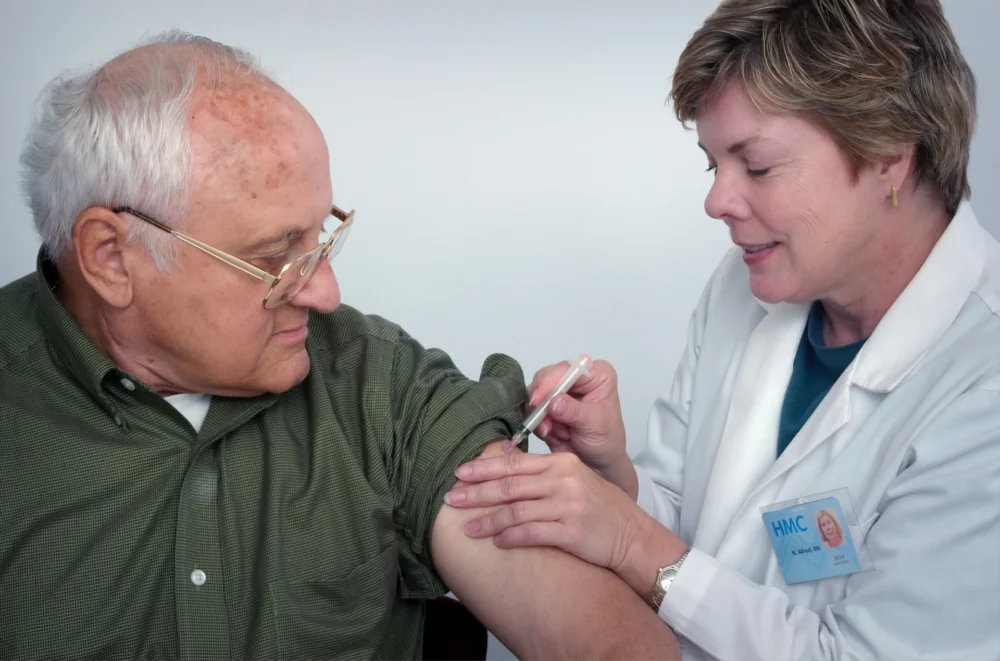
Photo by CDC on Unsplash
Key Insights
- Seniors aged 65 and older remain at substantially elevated risk of serious complications from the flu, including hospitalization and death.
- For the 2025-2026 season, the Centers for Disease Control and Prevention (CDC) projects a moderate flu season with hospitalization levels similar to last year — still a threat, especially for older adults.
- Timing and vaccine choice matter: for older adults, getting the flu shot in September or October, and opting for a high-dose or adjuvanted version, offers the best chance of protection through the typical peak months of late fall and winter.
As we head into the 2025–2026 flu season, there are several key points that older adults should understand. Adults aged 65+ face higher risk for several reasons.
First, their immune systems tend to weaken with age, making it harder to fight off infections. They’re also more likely to have chronic illnesses — such as heart disease, diabetes or lung conditions — that the flu can worsen.
Because of that, flu in older adults isn’t simply a “bad cold” — it often leads to complications such as pneumonia, worsening of heart or lung disease, or even death.
What the 2025–2026 season looks like
According to CDC forecasts, hospitalization burden for influenza (alongside COVID-19 and RSV) is likely to be similar to last season and may be moderate in severity. The vaccine composition has been updated: for this season, all U.S. flu vaccines are trivalent (covering three flu virus strains) and include two influenza A viruses and one influenza B virus.
Though “moderate” may sound reassuring, for older adults “moderate” still means a significant risk. Prevention remains critical.
- The CDC recommends that everyone aged 6 months and older receive a flu vaccine each year.
- For adults 65 +, special vaccine formulations are preferred: a high-dose vaccine, a recombinant vaccine, or an adjuvanted vaccine offer stronger immune responses compared to standard dose shots.
- Timing matters: For older adults, the optimal window to get vaccinated is September through October. Too early may mean waning immunity by peak season; too late may leave you unprotected when flu waves hit.
- Even if you miss the ideal window, getting vaccinated later is still better than not at all.
Additional prevention and planning steps
- Practice good hygiene: wash your hands regularly, cover your coughs and sneezes, avoid touching your face.
- Stay up to date on other vaccines (for example, COVID-19 and RSV) since co-circulating respiratory viruses can increase overall risk.
- Manage chronic health conditions proactively: ensure medications are current, follow your doctor’s plan, and monitor symptoms that may worsen if you catch the flu.
- Recognize early flu symptoms and act: if you develop fever, cough, body aches, sudden worsening of a chronic condition (like COPD or heart failure), seek medical advice. Early antiviral treatment (within 48 hours) can reduce severity.
Why this year is worth paying attention to
While the projected season is “moderate,” recall that last year’s influenza season in the U.S. was among the worst since 2010, with hospitalization rates of 127 per 100,000 people, tens of thousands of deaths, and millions of illnesses.
Because older adults bear the bulk of severe outcomes, being proactive this year can make a major difference in staying healthy, maintaining independence, avoiding hospital stays, and keeping quality of life high.