
Retirement Living takes an unbiased approach to our reviews. We may earn money when you click a partner link. Learn More
Do Walk-In Tubs Leak?
Understand how walk-in tubs are built to prevent leaks, what can cause problems, and how to keep your tub watertight for daily use.


Updated:
At a glance:
- Walk-in tubs are designed to stay watertight when installed and maintained correctly, using sealed doors and durable materials.
- Most leaks come from worn seals, poor installation, or high water pressure, all of which can be prevented with regular care.
- Choosing professional installation and following the manufacturer’s maintenance guide ensures a safe, waterproof bath for daily use.
When properly installed, walk-in tubs do not leak. These tubs use watertight doors and high-quality seals to keep water inside the bath throughout each use. A secure door seal, correct installation, and regular maintenance are the main factors that prevent leaks in walk-in bathtubs.
This guide explains how walk-in tubs stay watertight, what causes leaks, and how to prevent them. It also outlines key safety features and how to choose a reliable walk-in bath or walk-in shower for your home.
What Is a Walk-In Tub and How Does It Work?
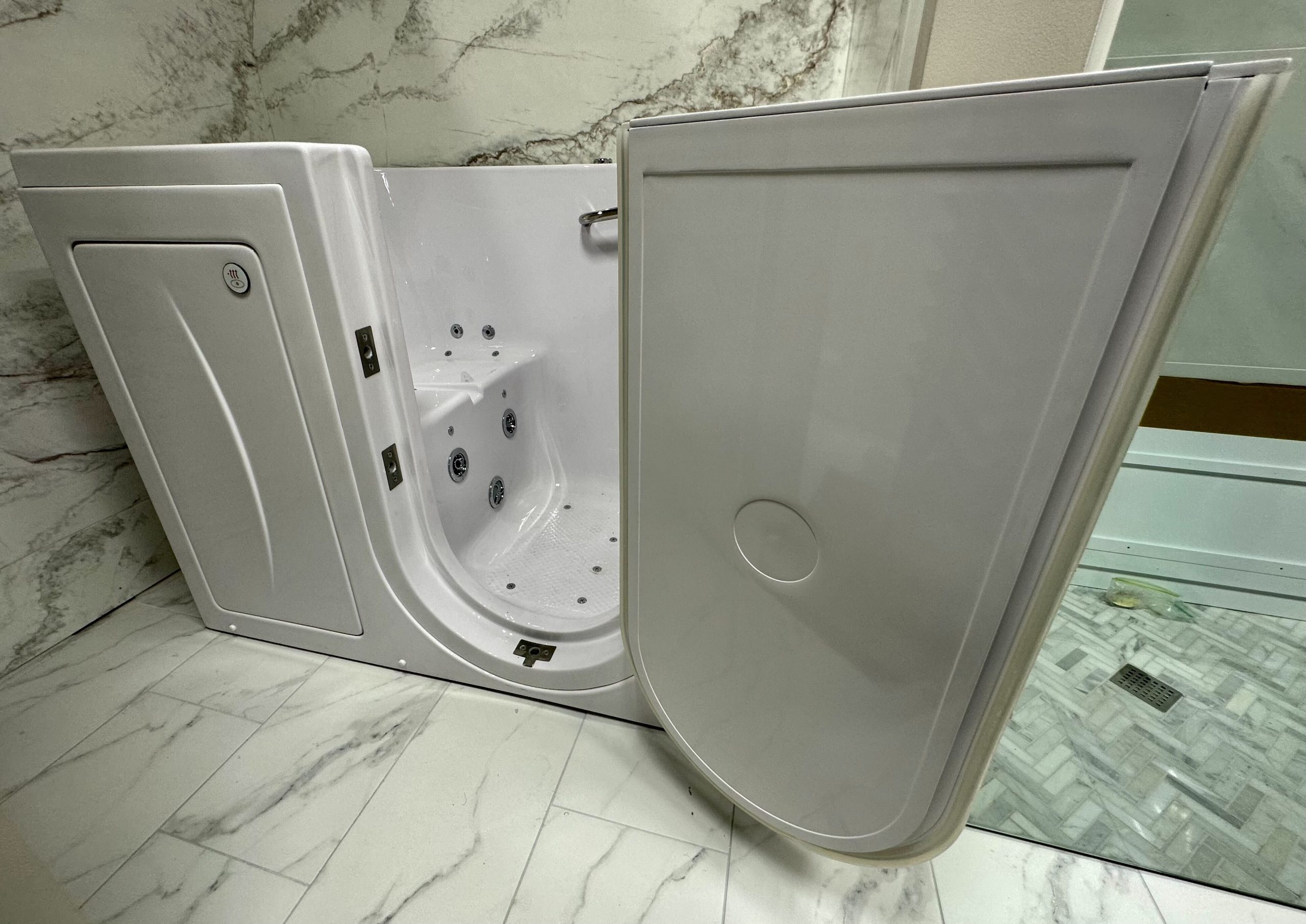
A walk-in tub is a type of bathtub designed to help older adults and people with limited mobility bathe safely. Instead of stepping over a high wall like a traditional tub, the user opens a watertight door, walks in, and closes it behind them. Once the door is sealed, the tub fills with water to the desired level. After bathing, the drain releases the water before the user opens the door again.
Most types of walk-in tubs have a built-in seat, a low threshold, and grab bars for balance. Many also include hydrotherapy jets that help relax muscles and improve circulation. Some models work as a walk-in tub and shower combination, allowing a seated bath or a standing rinse with adjustable showerheads.
Compared with a traditional bathtub, a walk-in tub offers easier access and reduces the risk of falls. The design supports those who want to age in place or live independently longer.
What Keeps Walk-In Tubs From Leaking?
Walk-in tubs are built with features that prevent water from leaking during use, such as:
- Watertight door and seal: Each walk-in tub has a fitted door that locks into place when closed. A rubber gasket forms a tight seal around the edges to help the walk-in tub hold water without leaking.
- Acrylic or fiberglass shell: The main body of the tub is made from solid materials that do not expand or bend under pressure. This prevents small gaps or cracks that could lead to leaks over time.
- High-quality construction: Well-made walk-in tubs use durable parts, tested door seals, and stable frames. A high-quality build helps maintain the watertight barrier for many years of use.
- Proper installation: Professional installation ensures the tub sits level and connects securely to the drain and water lines. Incorrect alignment or plumbing can cause leaks even in a new tub.
- Controlled water pressure: Keeping household water pressure within the recommended range protects seals and fittings. Excessive pressure can strain joints and lead to small leaks.
If you’re planning a bathroom remodel or renovation, always hire trained installers familiar with walk-in tub installation requirements. This step is especially important when buying a walk-in tub, since proper setup determines how well it prevents leaks.
Common Causes of Walk-In Tub Leaks
Although the answer to “do walk-in bathtubs leak” is generally no, small issues or improper installation can cause leaks over time.
Common causes include:
- Door seal wear happens when the gasket becomes loose or brittle over time. Once it stops fitting tightly, water can escape around the door edges.
- Leaking fixtures such as showerheads or nearby taps can drip onto the tub’s frame. The water pools near the base and can appear as a door leak.
- Improper installation is one of the most common causes. A tub that is not level or connected correctly to the plumbing can shift slightly, creating small openings where water seeps out.
- High water pressure can strain seals, joints, and fittings, leading to gradual leaks if the pressure is not controlled.
- Normal wear and tear from frequent use affects hinges, valves, and seals. Checking these parts every few months helps prevent small issues from becoming larger leaks.
How to Prevent Walk-In Tub Leaks
A walk-in tub requires more care than a standard tub, but steady maintenance and proper installation help prevent leaks before they start. Simple steps include:
- Use professional installation. A trained installer knows how to level the tub, connect the plumbing, and seal the joints correctly. Professional installation prevents early leaks and ensures the warranty stays valid.
- Follow the manufacturer’s care guide. Clean the seals and surfaces as directed. Avoid harsh chemicals that can dry out the gasket or weaken the door seal.
- Inspect doors and seals regularly. Look for cracks, loose fittings, or uneven pressure on the seal. If the door does not close smoothly, contact your installer or the brand’s support line before using the tub again.
- Avoid DIY repairs. Temporary fixes can damage the watertight seal or void the lifetime warranty. Always schedule a service call through the manufacturer or dealer instead.
- Check drain times and quick-drain features. Keep the drain area clear and watch for slow emptying. Quick-drain systems remove pressure from the door seal and reduce the risk of water leaks during use.
If you’re comparing models, ask about lifetime warranty coverage, available service plans, and professional installation. You can also compare trusted providers side by side in our best walk-in tubs guide to see which options fit your needs best.
What to Do If Your Walk-In Tub Leaks
If you notice water around your walk-in tub, start by finding the source of the leak. Check along the door seal, around the drain, and under the plumbing connections. Small leaks often begin as slow drips or damp spots that can be easy to overlook. Dry the area and watch carefully while the tub fills.
If you see water forming near the door or joints, stop using the tub until the issue is fixed. Contact your installer or the manufacturer’s service line for help. Most homeowners can find the service phone number in the product manual or warranty paperwork. Professional installers can identify whether the problem is from the seal, the fittings, or the drain system.
Review your lifetime warranty or service agreement before scheduling repairs. Many walk-in tub brands include coverage for door seals and watertight parts, so the repair may be free or low-cost.
Avoid trying to reseal or tighten parts on your own, as this can make the problem worse or void the warranty. If the leak continues after inspection, contact a home improvement professional familiar with walk-in tub installation for a full evaluation.
FAQs About Walk-in Tubs Leaks
Yes, walk-in baths are waterproof when installed and used correctly. Each model has a watertight door seal that keeps water inside the tub during filling and draining. The seal tightens under water pressure, preventing leaks while the bath is in use. Most walk-in baths are made from molded acrylic, a solid material that resists bending or cracking over time. This design keeps the seal even and prevents small gaps from forming.
Help us improve our guides! If you’ve recently installed a walk-in tub or have insights on how yours works, we’d love to hear from you. Share your experience with us at [email protected]. Your personal details will stay completely confidential.