
Recent food recalls should concern seniors
Older adults are more at risk from foodborne illnesses
Updated:

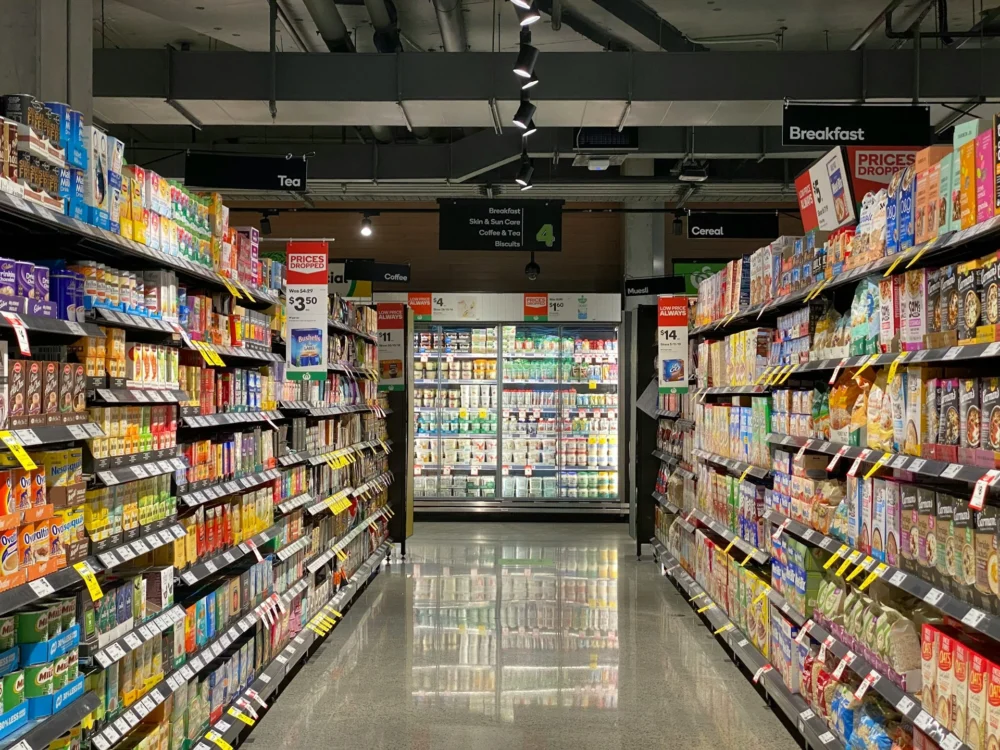
Photo by Franki Chamaki on Unsplash
Key Insights
- A multi-state outbreak of Listeriosis linked to ready-to-eat pasta meals has claimed six lives and hospitalized at least 25 people across 18 states.
- Recent recall notices show increasing contamination risks from both Salmonellosis- and Listeria-producing bacteria in widely sold foods — especially deli salads and ready meals.
- Older adults (age 65+) face significantly higher risks from these pathogens: more hospitalizations, more severe complications — and the recalls hit right into that vulnerable population.
Since summer, the U.S. Food and Drug Administration and the Centers for Disease Control and Prevention have warned consumers about an increasing number of food recalls linked to Listeriosis and Salmonellosis. The threat is particularly severe for older adults.
The CDC is currently investigating a listeria outbreak tied to pre-cooked pasta meals sold through large grocery chains. The illness has reached at least 18 states, six deaths have been confirmed, and dozens more have required hospitalization.
At the same time, food-safety monitoring systems show increasing alerts for Salmonella contamination in a variety of food items — from produce to ready food kits. The root cause: an increasingly complex, highly processed food supply chain, where one contaminated ingredient can spread widely through multiple brands and products.
Why seniors are especially at risk
Several factors combine to place older adults at disproportionately high risk when foodborne pathogens are involved:
- Weakened immune systems: As people age, immune function tends to decline, making it harder to fight off infections. In the case of Listeria, the bacteria may spread beyond the gut into the nervous system or bloodstream in seniors.
- Underlying health conditions: Many older adults live with chronic illnesses (diabetes, kidney disease, etc.) that can blunt resilience against infection and complicate recovery.
- Reduced physiological reserve: Older bodies often have less capacity to deal with the stress of illness — leading to higher rates of complications, longer hospital stays and higher mortality.
- Common food-patterns and vulnerability: Ready-to-eat meals, deli foods and processed items are frequently part of older adults’ diets (for convenience, mobility limitations or cost). These items are precisely the kinds that have come under recall.
- Diagnostic delays: Symptoms of foodborne illness in older adults may be subtler and can be mistaken for other ailments — delaying treatment and increasing risk of severe outcomes.
The CDC explicitly warns: “People aged 65 or older … are more likely to become seriously ill from Listeria.”
What seniors should do
Here are practical steps for older adults and caregivers to reduce risk:
- Check for recalls: Visit sites like FoodSafety.gov or the United States Food and Drug Administration’s recalls page to monitor current alerts.
- Avoid high-risk ready-to-eat items: Deli salads, processed meats, pre-cooked meals and lightly handled produce are often implicated.
- Follow safe-handling rules: Refrigerate foods promptly, discard any item matching a recall, sanitize surfaces (especially after unpacking ready meals). Remember: Listeria can grow even at refrigerator temperatures.
- Seek prompt medical advice: If an older person eats a recalled product and then develops fever, muscle aches, confusion or gastrointestinal symptoms, act quickly — early treatment can make a big difference.
- Consider whole foods where practical: Simpler meals — less processed, fewer handling steps — are generally lower risk, though not immune. As one nutrition expert put it: choose meals built around staple grains, canned/frozen vegetables and lean proteins.
Why this matters
Foodborne illnesses may seem like an inconvenience, but for older populations, they can become life-threatening. The current wave of multi-state recalls underscores two major issues. First, that industrial food-supply chains remain vulnerable. Second, the cost of contamination disproportionately affects the most vulnerable among us.