
A 10-year-old drug reduced heart attack risks in clinical trial
Repatha was effective at protecting high-risk patients
Updated:

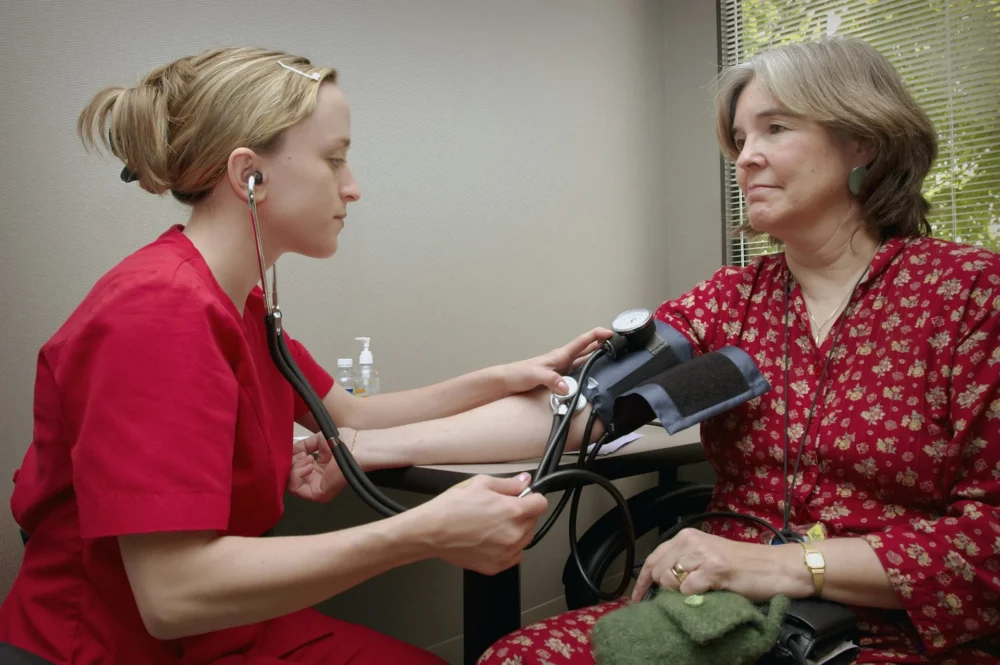
Photo by CDC on Unsplash
Key Insights
- Repatha reduced heart attack risk by 36% and major cardiovascular events by up to 25% in people who hadn’t yet had a heart attack or stroke.
- First PCSK9 inhibitor proven for both primary and secondary prevention, expanding protection to millions at risk.
- No new safety concerns were found in the 12,000-patient study presented at the 2025 American Heart Association Scientific Sessions.
In a clinical trial, Amgen’s cholesterol-lowering medication Repatha (evolocumab) has been shown to significantly reduce the risk of serious cardiovascular events in adults who are at high risk, but who haven’t yet had a heart attack or stroke.
The Phase 3 VESALIUS-CV trial, involving more than 12,000 patients with atherosclerosis or diabetes, found that Repatha, when added to statins or other LDL cholesterol–lowering drugs, cut the risk of heart attack, stroke, or cardiovascular death by 25%. The results were unveiled at the 2025 American Heart Association Scientific Sessions and published in the New England Journal of Medicine.
Breakthrough for prevention
Repatha is now the first and only PCSK9 inhibitor to show clear cardiovascular benefits in both people who have already had a cardiac event and those who haven’t.
“Repatha has once again demonstrated its ability to protect patients from the cardiovascular events they fear most—even before one occurs,” said Dr. Jay Bradner, Amgen’s executive vice president of Research and Development. “Every patient facing elevated risk due to uncontrolled LDL-C should be considered for Repatha.”
Amgen said participants in the Repatha group saw major benefits:
- 25% lower risk of death from coronary heart disease, heart attack, or ischemic stroke (3-point MACE)
- 19% lower risk when including all arterial revascularization procedures (4-point MACE)
- 36% reduction in heart attack risk alone
Among patients with diabetes, who made up nearly 60% of participants, the benefit was especially notable. The median LDL cholesterol level in the Repatha group fell to 45 mg/dL, compared to 109 mg/dL with placebo.
Expert perspectives
Dr. Marc Sabatine, chair of the TIMI Study Group, noted that these findings build on earlier research:
“In FOURIER, we showed Repatha reduces events in people who’ve already had a heart attack or stroke,” he said. “VESALIUS-CV now proves it can help those who haven’t—expanding protection to a much larger population.”
Dr. Osagie Ebekozien of the American Diabetes Association added that the study highlights the urgent need to manage cholesterol in people with diabetes: “Cardiovascular disease remains the leading cause of death in diabetes, driven by high LDL-C,” Ebekozien said. “Reducing this risk must be prioritized in primary care.”
Safety and accessibility
No new safety issues were observed in the trial, and Repatha’s tolerability matched previous experience.
The medication, approved since 2015 and used by more than 6.7 million patients globally, recently became more affordable in the U.S. through AmgenNow, priced at $239 per month, about 60% less than the original list price.