
Mayo Clinic team uses AI and genetics to outsmart silent killer, heart disease
The goal is to identify the risk before it’s too late
Updated:

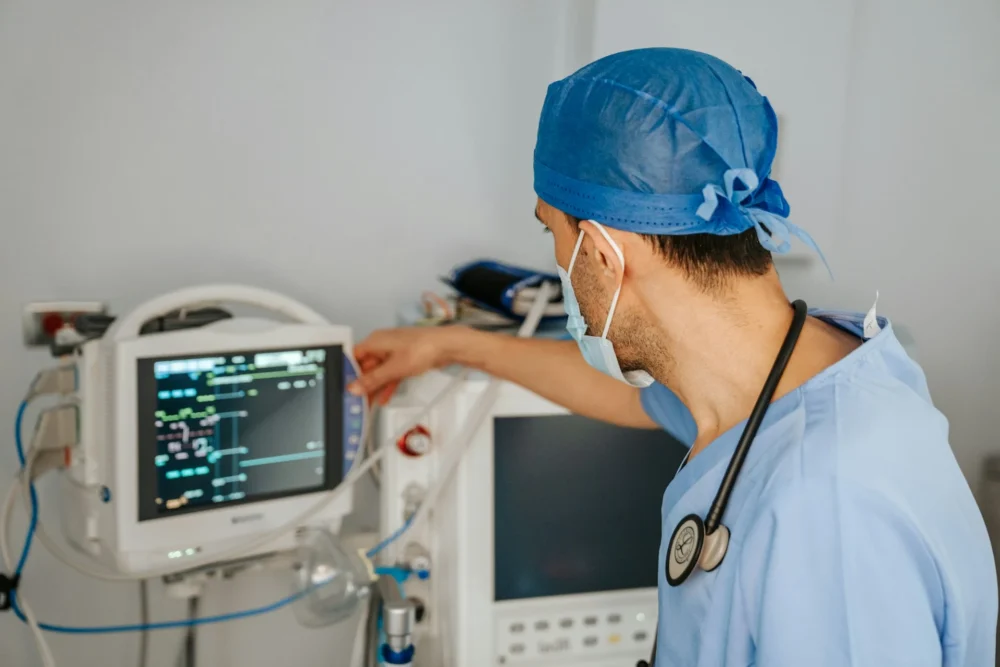
Photo by César Badilla Miranda on Unsplash
Key Insights
- Mayo Clinic researchers are uncovering the earliest warning signs of a deadly genetic heart disease.
- Artificial intelligence and genetic data are helping detect risk long before symptoms appear.
- The work could transform heart care from crisis response to prevention.
Two cardiologists at the Mayo Clinic say they have found a way to improve preventive heart care. Dr. Peter Noseworth and Dr. John Giudicessi have found a way to identify arrhythmogenic right ventricular cardiomyopathy (ARVC) before it strikes.
This rare but devastating genetic condition weakens the bonds between heart cells, replacing healthy muscle with scar tissue and fat. Often, the first sign is catastrophic — sudden collapse during exercise.
The Mayo team said it believes it doesn’t have to be that way. Their work suggests that the disease’s earliest traces can be found — and potentially stopped — long before symptoms appear.
“We spend so much time managing the consequences of this disease — ablations, transplants, repeated hospitalizations,” said Noseworthy, who leads Mayo Clinic’s Division of Heart Rhythm Services. “It’s a much better paradigm to ask: What can we do to prevent this in the first place?”
A data-driven path to early detection
Giudicessi, a genetic cardiologist, studies how inherited mutations influence heart rhythm diseases. He and Noseworthy began their search within Mayo Clinic’s new Research Data Atlas, a vast resource linking decades of genetic and clinical information. There, they focused on people carrying mutations in the PKP2 gene — the leading culprit in ARVC.
Roughly one in 2,000 people carries a PKP2 mutation, yet not all will develop the disease. Determining who is truly at risk is the central challenge.
“So much of medicine is reactionary — we wait for something bad to happen,” Dr. Giudicessi said. “This work is ushering in the tools to push against disease and to identify it early.”
Artificial intelligence reveals the first signs
To detect the earliest electrical clues of disease, the researchers partnered with cardiologist Ammar Killu, whose team created an AI model trained on electrocardiograms (ECGs). The algorithm uncovered faint patterns invisible to the human eye — subtle rhythm changes that signaled the beginning of ARVC.
“This study shows how AI can help us identify really subtle changes that may facilitate earlier diagnosis,” Killu said. “It’s a powerful example of how we can scale early detection to reach more patients before disease takes hold.”
Building on those findings, participants showing early rhythm changes received smartwatches to track daily activity levels. Since intense exercise can accelerate ARVC, the data help patients and clinicians fine-tune physical activity to slow disease progression.
A new medical mindset
In parallel, Mayo scientists are exploring gene therapy to repair PKP2 mutations. Though still in early testing, the approach could eventually restore normal function and prevent the disease from worsening.