
Trump rolls back tariffs on some food imports
The move is aimed at providing some relief at the checkout counter
Updated:

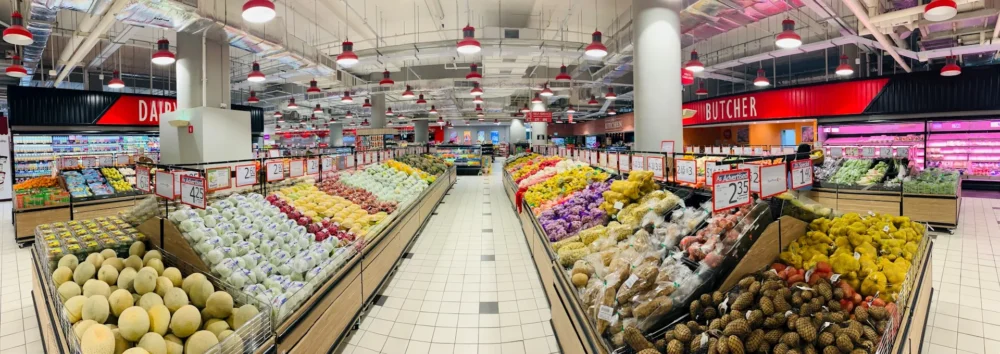
Photo by Dina Karan on Unsplash
Key Insights
- President Donald Trump has announced the lifting of tariffs on more than 200 imported food products, including beef, coffee, and specialty agricultural goods.
- The decision is framed as a response to surging grocery prices in the U.S. and growing pressure from domestic food-industry stakeholders.
- Exporters in countries such as India and Australia are among the early beneficiaries, though analysts caution broader structural issues remain.
Retirees on fixed incomes may soon get some relief at the supermarket. President Trump has signed an executive order, removing tariffs on a broad array of imported foods — from premium coffee beans to lean beef cuts and distinctive spices. While food prices have remained elevated, tariffs have made them even higher.
According to administration officials, the lifting of duties is designed to address a dual challenge: rising domestic food prices and the economic pressures facing U.S. retailers and restaurant chains. Recently, for example, coffee prices in the U.S. surged by nearly 19 % and beef followed by 16%.
The scope of relief spans more than 200 distinct product categories, with major exporters such as India benefiting from improved access to the U.S. market for niche items like cashew nuts, specialty teas and coffee. Indian farm-export officials estimate gains on the order of $2.5 to $3 billion.
In Australia, trade officials welcomed the decision, noting that Australian beef producers—long positioned as a major supplier to U.S. food-service chains—stand to gain from the removal of duties. At the same time, though, Australia reiterated its push for full reciprocal tariff relief on all U.S. imports.
Over the past several months, U.S. food-importers and grocery chains had increasingly sounded alarms: duties on seafood, fruits, vegetables and other imported staples were squeezing margins and contributing to inflation for consumers.
The Trump administration, which had earlier embraced sweeping “reciprocal” tariff hikes under its trade-deficit doctrine, appears to be recalibrating in response to pressure from both voters and business stakeholders.
In Friday’s announcement, White House trade advisors cited the need to “restore balance” in the food-supply chain and relieve American families from disproportionate cost burdens.
Industry response
Industry analysts say the tariff rollback could have ripple effects across the food and beverage sector — benefiting everything from domestic food-service chains to packaged-goods companies. Margins that have been squeezed by imported-input cost hikes may begin to recover.
However, caution remains in some corners. For Indian exporters, while the duty relief opens doors, logistical constraints, high freight costs and stiff competition from Southeast Asia and Latin America may limit rapid gains.
And for countries like Brazil, certain products, such as beef, tropical fruit and coffee, remain subject to steep tariffs despite the broader rollback.