
Seniors may be vulnerable to holiday scams
Many of these schemes lurk on social media
Updated:

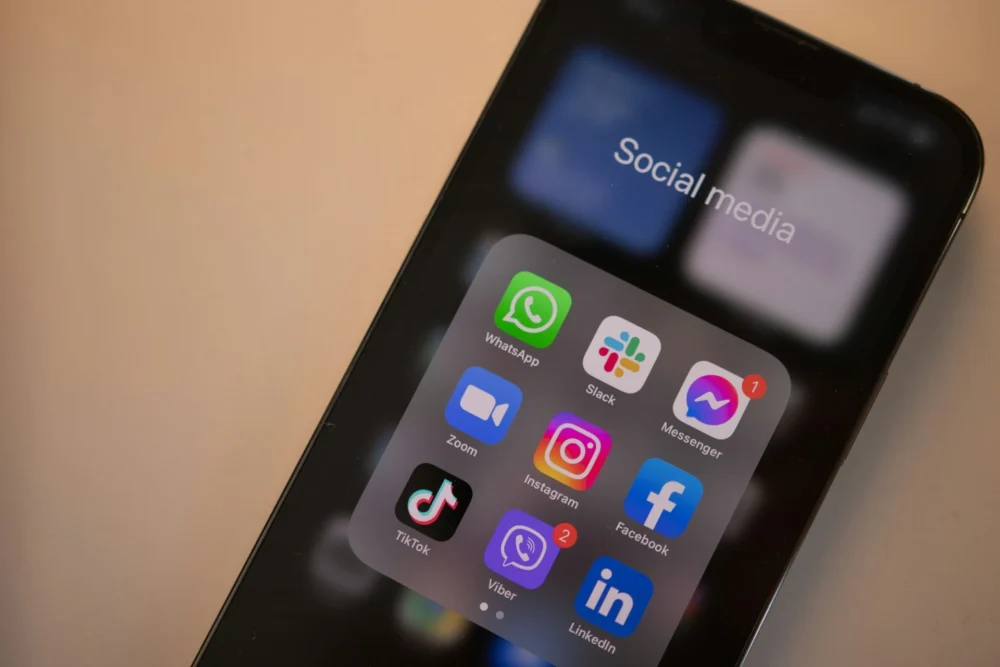
Photo by Dlxmedia.hu on Unsplash
Key Insights
The holidays should be a time for joy, family, and celebration — not stress over scams. But every year, as shopping and travel pick up, crooks get busy too. Older adults are often targeted because scammers assume they may be more trusting, more generous, or less familiar with fast-changing online schemes.
Retirement Living is seeing reports rise sharply this season, especially around misleading ads, phishing attempts, and fake “free” gift offers. Here’s a simple guide to the scams you’re most likely to see — and the steps you can take to stay protected.
1. Misleading social media ads
If you spend time on Facebook or Instagram, you’ve likely noticed a flood of ads for unique gifts, big discounts, and products that sound too good to be true.
Unfortunately, many seniors report:
- Paying for items that never arrive
- Getting trapped in unwanted monthly subscriptions
- Receiving cheap knockoffs instead of the product shown
Online purchase scams have become one of the riskiest threats for shoppers.
How to protect yourself:
- Look up the company before buying — a quick search can reveal complaints.
- Check for reviews on trusted websites, not just comments under the ad.
- Avoid paying through apps like Zelle or Venmo unless you know the seller personally.
2. Social media “gift exchanges” — Still pyramid schemes
You may see posts inviting you to join a “Secret Sister” exchange, a wine swap, or even a gift chain for pet treats. They’re often presented as fun, friendly ways to spread holiday cheer.
But behind the feel-good messaging are two big problems:
- They collect personal information about you — and sometimes about friends or family.
- They’re illegal pyramid schemes, which almost always cost participants money.
If an offer promises dozens of gifts in exchange for buying or sending just one, it simply isn’t real.
3. Holiday apps aimed at kids (and grandkids)
Grandparents often download festive apps to entertain little ones — Santa video chats, gift trackers, reindeer games, and more. But not all of these apps are safe.
Some may include:
- Constant advertising
- Hidden data tracking
- Malware disguised as children’s games
Before installing any holiday app, check the reviews and take a quick look at what information it collects. Free apps aimed at children deserve extra caution.
4. Fake toll collection texts
Traveling to see family? Scammers are betting on it. Fake texts pretending to be from state toll agencies are becoming more common. The message usually says you owe a few dollars and includes a link to “pay now.”
Clicking the link can expose your financial information or infect your device.
What to do:
If you think you may have missed a toll, visit your state’s official tolling website by typing it into your browser — never by clicking a link sent by text.
5. ‘Free’ gift card offers
Scammers know the word “free” gets attention. This season, many are sending emails and text messages claiming you’ve won:
- A free gift card
- A special loyalty reward
- A prize for being “randomly selected”
The goal is to trick you into sharing personal information or clicking a dangerous link.
If you receive one:
- Mark it as spam and delete it.
- If it’s already open, don’t click anything inside.
- Never provide personal details to claim a “reward.”
Stay safe and enjoy the season
You shouldn’t have to worry about scams while enjoying your holiday traditions. Staying cautious, especially with unsolicited messages and eye-catching social media posts, can help protect both your wallet and your personal information.
A little skepticism goes a long way — and it can help keep your holidays merry, bright, and scam-free.