
‘Quishing’ scams are on the rise: What seniors need to know
Stop and think before scanning QR codes
Updated:

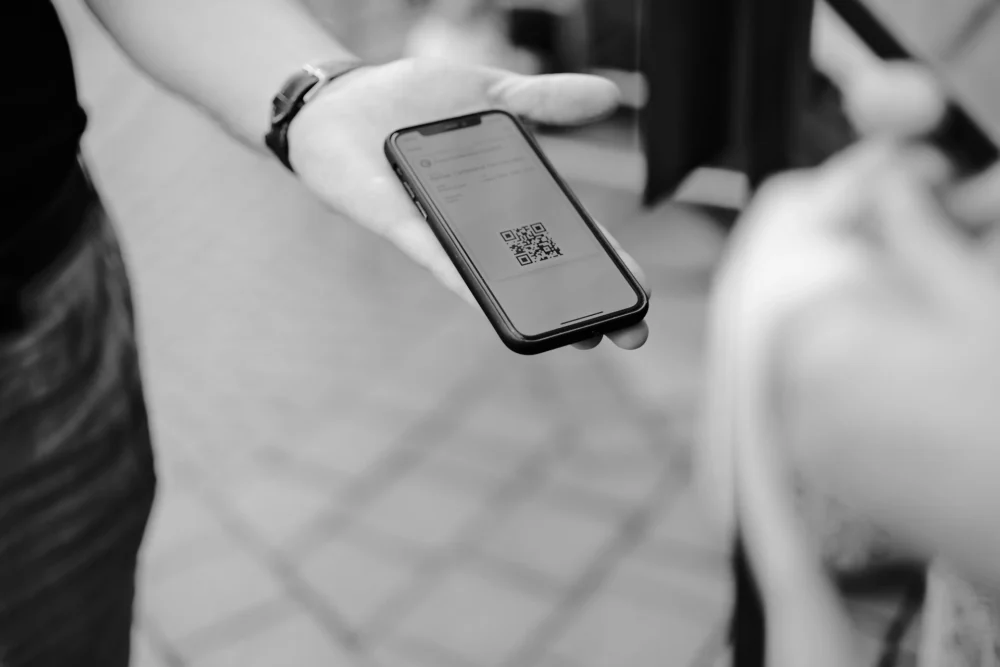
Photo by Claudio Schwarz on Unsplash
Key Insights
- “Quishing” scams use QR codes to trick victims into visiting fake websites or downloading malicious software.
- Seniors are being increasingly targeted because QR codes now appear on bills, bank notices, and medical communications.
- Simple precautions—like slowing down and verifying the source—can dramatically reduce the risk.
A new form of fraud known as “quishing”—short for QR code phishing—is quickly becoming a favorite tool of scammers, and consumer advocates warn that older adults are among the most frequent targets.
Unlike traditional phishing scams that rely on suspicious emails or text messages, quishing uses QR codes to lure victims. These codes may appear on mailed notices, parking tickets, restaurant flyers, utility bills, or even fake bank alerts. When scanned with a smartphone, the QR code can direct users to a fraudulent website designed to steal personal information or prompt them to download malware.
Why seniors are being targeted
Seniors are particularly vulnerable to quishing scams for several reasons. Many are still adjusting to QR code technology, which became widespread during the pandemic.
At the same time, older adults are more likely to receive mailed notices related to healthcare, government benefits, or financial accounts—prime opportunities for criminals to insert fake QR codes that appear legitimate.
In some cases, scammers place counterfeit QR code stickers over real ones in public places. In others, they mail convincing letters urging recipients to “scan immediately” to avoid late fees, account suspension, or benefit loss.
Once a victim scans the code, they may be asked to enter login credentials, Social Security numbers, or credit card information—data that can be used for identity theft or financial fraud.
How seniors can protect themselves
Experts say the most effective defense against quishing is a combination of caution and verification.
Be skeptical of urgency. Scammers often pressure victims to act quickly. Legitimate companies rarely demand immediate action through a QR code.
Verify the source independently. Instead of scanning a code, type the organization’s official website into your browser or call a trusted phone number.
Avoid scanning codes from unexpected mail or public places. Especially if the message involves money, accounts, or personal data.
As technology evolves, so do scams. Consumer advocates stress that quishing is not a sign of carelessness, it’s a sophisticated tactic designed to look routine and harmless. For seniors and their families, awareness may be the strongest protection of all.