
Bob Weir, Grateful Dead co-founder, dies at 78
For many fans, his music was the soundtrack to a generation
Updated:

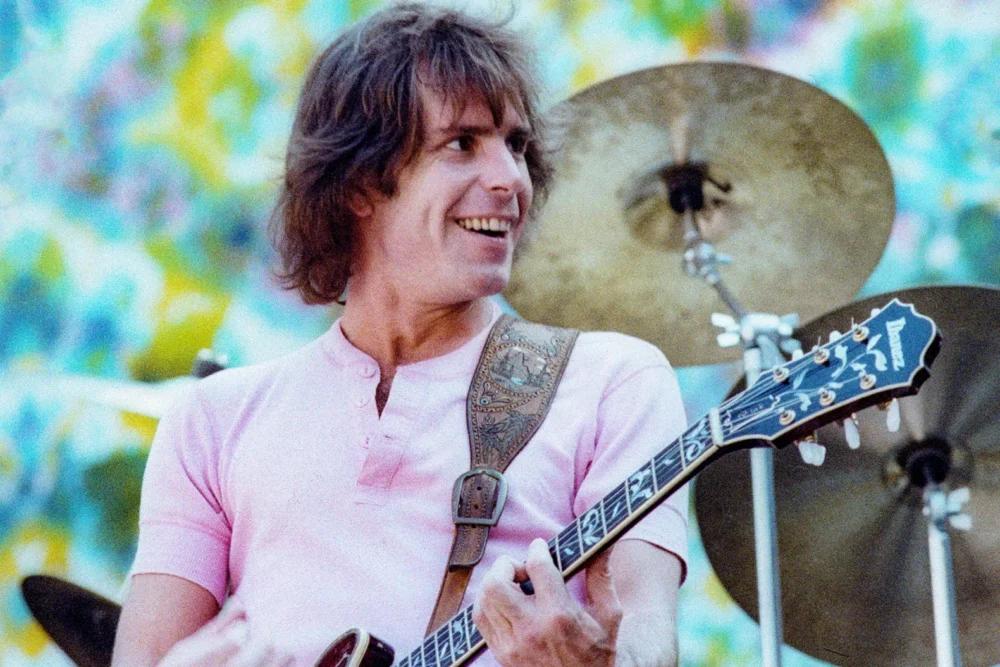
Photo by Rolling Stone
Key Insights
- Founding architect of a cultural movement: As rhythm guitarist and co-founder of the Grateful Dead, Bob Weir helped invent a new American sound and a new way of being a band.
- Endlessly curious musician: From cowboy songs and jazz-tinged chord voicings to extended improvisation, Weir reshaped what rhythm guitar could do.
- A bridge across generations: For six decades, he has kept the Dead’s music alive, relevant, and welcoming to new audiences.
Bob Weir, a founding member of the iconic 1960’s rock group the Grateful Dead, died over the weekend after a brief battle with cancer. He was 78.
Weir was roaming the streets of Palo Alto on New Year’s Eve 1963 when he heard banjo music coming from the back of a music store. Inside, he met Jerry Garcia, and picking up a guitar, he joined in. The 16-year-old grew from an eager apprentice into a musician whose unconventional sense of harmony and timing became essential to the band’s identity. His “weird chords,” as he once called them, didn’t merely support the music—they nudged it forward, opening space for improvisation and conversation among players.
While many popular rock bands of the 60s stopped touring and focused on recording albums, the Grateful Dead remained a concert band well into 1990s.
Beyond his work with Garcia, Phil Lesh, Bill Kreutzmann, and Mickey Hart, Weir proved that the Grateful Dead ethos was larger than any single lineup. Through projects like RatDog, Further, Dead & Company, and Wolf Bros, he demonstrated a rare commitment to evolution over nostalgia, treating the songbook not as a museum piece but as a living language.
A cultural steward
Equally important is Weir’s role as a cultural steward. He embraced the Dead’s community—its openness, experimentation, and sense of shared experience—long after many of his peers retreated from the road. Whether playing stadiums or intimate theaters, he remained committed to the idea that music is something you enter, not just consume.
Grateful Dead fans—known as Deadheads—were distinctive not just for their devotion to a band, but for the culture and community they created around the music. Several traits set them apart in popular music history.
Deadheads famously followed the band from city to city, sometimes for entire tours. Concerts weren’t isolated events; they were reunions. Parking lots became temporary villages where people cooked food, sold crafts, traded tapes, and shared stories. For many fans, the band embodied the hippie experience.
Bob Weir’s legacy is not only measured in songs written or concerts played, but in a way of listening, collaborating, and trusting the unknown. In American music, few figures have so thoroughly embodied the belief that the journey matters as much as the destination—and that the next great moment might arrive if you’re willing to keep playing.