
Researchers may have found a way to restore age-related cartilage loss
Stanford scientists trace the problem to a single protein
Updated:

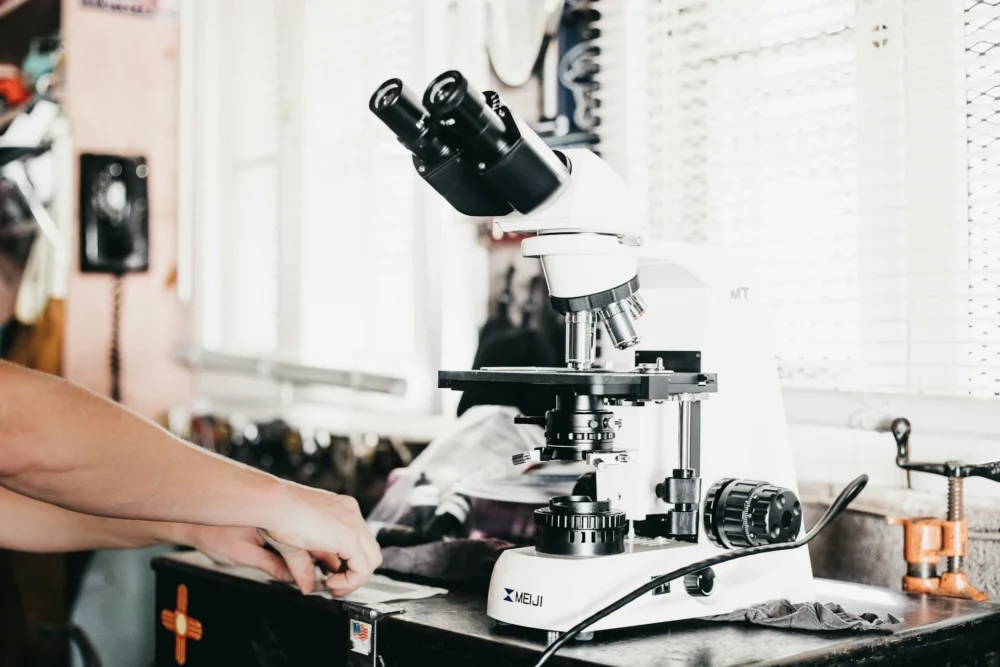
Photo by Logan Gutierrez on Unsplash
Key Insights
- Stanford researchers have identified a single protein that plays a central role in age-related cartilage loss, a key driver of joint pain and reduced mobility in older adults.
- The discovery opens the door to therapies that could slow, stop, or even reverse cartilage degeneration, rather than simply managing symptoms.
- Scientists say the findings could reshape how osteoarthritis and other joint conditions are treated in aging populations.
Researchers at Stanford University have traced the gradual loss of cartilage that accompanies aging to the activity of a single protein, a breakthrough that could pave the way for treatments designed to restore joint health and mobility in older adults.
Cartilage, the smooth, flexible tissue that cushions joints, naturally wears down over time. As it thins, bones begin to rub against each other, leading to stiffness, pain, and conditions such as osteoarthritis. Until now, scientists have struggled to pinpoint the precise biological mechanisms driving this deterioration, making it difficult to develop therapies that address the root cause rather than the symptoms.
In the new study, Stanford scientists found that one protein becomes increasingly active with age and disrupts the normal balance of cartilage maintenance and repair. In healthy joints, cartilage cells continuously rebuild tissue to offset everyday wear and tear. But as levels of the protein rise, this regenerative process slows dramatically, allowing damage to accumulate.
Gradual process
“Cartilage doesn’t fail all at once—it’s a gradual process,” said one of the study’s senior authors. “What we’ve discovered is a molecular switch that appears to push cartilage from a state of maintenance into decline.”
Using laboratory models and tissue samples, the researchers showed that suppressing the protein restored the ability of cartilage cells to regenerate. In some cases, damaged cartilage began to resemble healthier, more youthful tissue. While the work is still at an early stage, the findings suggest that targeting this protein could one day help preserve joint function well into old age.
The implications are significant. Osteoarthritis affects tens of millions of people worldwide and is a leading cause of disability among seniors. Current treatments focus largely on pain relief through medications, physical therapy, or joint replacement surgery in severe cases. A therapy that protects or rebuilds cartilage could delay or eliminate the need for these interventions.
‘Roadmap for treatment’
Experts caution that clinical applications are still years away. Any potential drug or biological therapy would need to undergo extensive testing to ensure safety and effectiveness in humans. Still, the discovery provides a clear and promising target for future research.
“This gives us a roadmap,” said a Stanford researcher involved in the study. “Instead of treating cartilage loss as an inevitable consequence of aging, we can start thinking about how to intervene.”
As populations age worldwide, the demand for solutions that maintain mobility and independence is growing. If the Stanford team’s findings translate into viable treatments, they could mark a turning point in how age-related joint degeneration is understood—and treated—offering new hope for seniors seeking to stay active and pain-free.