
Doctors suggest five activities for successful aging
As your body ages, it doesn’t have to decline
Updated:

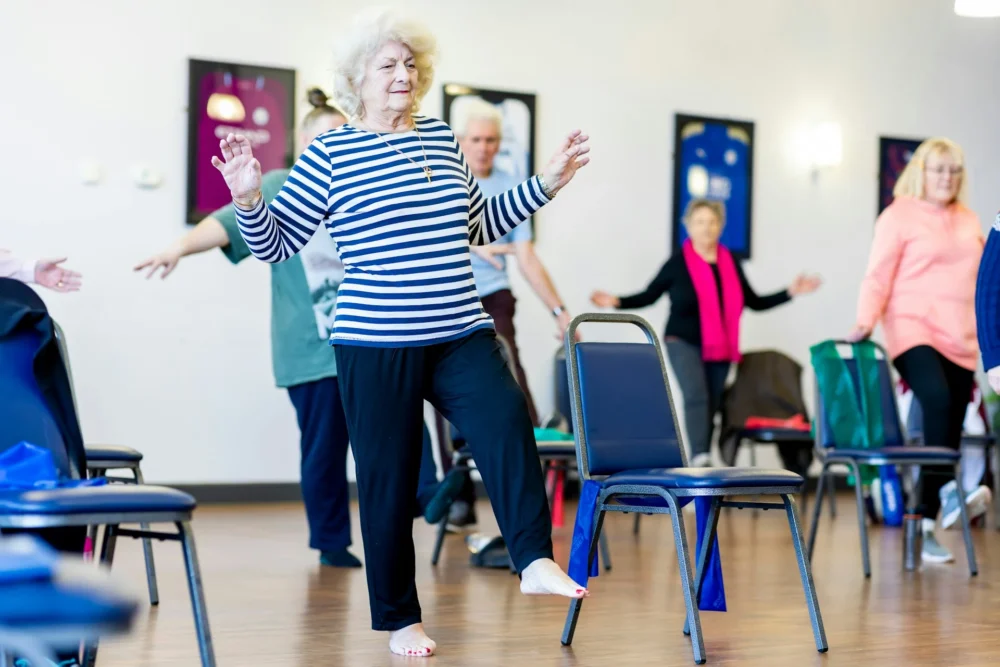
Photo by Centre for Ageing Better on Unsplash
Key Insights
- Aging brings changes—but not all decline is inevitable. Feeling less steady, weaker or more forgetful is common in our 60s and 70s, but many changes can be slowed or improved with the right habits.
- It’s never too late to start healthier routines. Research shows even people who were inactive for decades can gain strength, mobility and mental benefits by making small, realistic changes.
- Everyday choices now shape independence later. How we move, eat, think and care for our health today can strongly influence quality of life well into our 80s and beyond.
As people get into their 60s, they notice obvious changes in how their bodies feel and function. Muscles weaken faster, balance can slip and remembering names may take more effort. Some of this is a normal part of aging.
But according to experts at Stanford Medicine, many of the most concerning changes aren’t set in stone.
“The message I want people to hear is that it’s never too late,” said Dr. Abby King, a Stanford Medicine professor who has spent decades studying health behaviors across the lifespan.
Even people who have been largely inactive can improve their strength, mobility and overall well-being by increasing physical activity in ways that match their abilities, she said.
Stanford health experts point to five key habits that can help older adults stay independent, sharp and active for years to come.
Build strength to protect independence
In later life, exercise is less about six-pack abs and more about daily function. Being able to stand up from a chair, carry groceries or catch yourself if you stumble can determine whether someone lives independently or needs help.
“With age, muscles can get weak very easily,” said Dr. Silvia Tee, a geriatrician at Stanford Senior Care. Just a few days of inactivity can lead to lasting mobility problems, while regular movement helps preserve strength.
Federal guidelines recommend about 150 minutes a week of moderate aerobic activity—like brisk walking—plus muscle-strengthening exercises twice a week. That doesn’t mean heavy weights are required. Chair squats, wall push-ups, resistance bands and light weights done to fatigue can all help maintain muscle.
Walking remains one of the easiest and most effective options. Studies suggest that about 7,000 steps a day can provide significant health benefits. For people who find long walks intimidating, breaking activity into shorter sessions throughout the day works just as well.
Train balance before it becomes a problem
Falls are a leading cause of injury and loss of independence in older adults, which makes balance training essential—even for people who don’t feel frail.
Simple exercises can make a difference. Standing on one leg for 10 to 20 seconds while holding onto a counter, or practicing balance in a corner of a room for support, can help improve stability. One study even found that adults who could stand on one leg for 10 seconds had lower mortality rates.
Dr. Michael Fredericson of Stanford Lifestyle Medicine recommends weaving balance practice into daily routines. One easy reminder: practice while brushing your teeth.
Eat to maintain strength, not to diet
Nutrition in later life isn’t about shedding pounds—it’s about preventing frailty. As the body ages, it becomes less efficient at building muscle, which means older adults often need more protein even if they eat fewer calories.
Experts suggest about 1.0 to 1.3 grams of protein per kilogram of body weight each day. For many people, that means aiming for protein at every meal—such as eggs, yogurt, chicken, fish, tofu or beans.
A Mediterranean-style diet is also strongly recommended. Rich in fruits, vegetables, whole grains, lean proteins and healthy fats like olive oil, this way of eating has been linked to lower risks of heart disease, diabetes and cognitive decline.
Doctors also advise cutting back on ultra-processed foods high in sugar, salt and unhealthy fats. Whole, minimally processed foods don’t have to be complicated, and healthier grab-and-go options are becoming more widely available.
Keep the brain engaged—and stay connected
Concerns about memory loss and dementia often rise in the 60s and 70s. While genetics matter, many risk factors are influenced by lifestyle.
Staying mentally active—through reading, puzzles, classes, learning new skills or even journaling—appears to help maintain cognitive function. But social connection may be just as important.
“Social connection is really important for healthy aging—for your brain and your emotional health,” King said. Conversations challenge memory, attention and reasoning, keeping the brain active in natural ways.
Volunteering, joining community groups or simply maintaining close friendships can all help protect cognitive health.
Make preventive care personal
Preventive health care becomes more individualized with age. Decisions about screenings such as colonoscopies or mammograms often depend on overall health, medical history and expected lifespan.
Still, certain basics remain important for many older adults, including regular blood pressure and cholesterol checks, diabetes screening, bone-density tests, vision and hearing exams, and staying up to date on flu and COVID-19 vaccines.
Annual visits with a primary care provider help track changes and adjust care as needed. For some people, home monitoring—like checking blood pressure—can be useful, though experts caution that too much data can cause unnecessary anxiety for others.
The takeaway from Stanford’s experts is reassuring: aging doesn’t have to mean giving up independence or vitality. Small, consistent choices—moving a bit more, eating well, staying engaged and keeping up with health care—can add up to a healthier, more active life well into older age.