
Movies are suddenly catering to older adults: Here’s why
Viewers want age-diverse storytelling, survey shows
Updated:

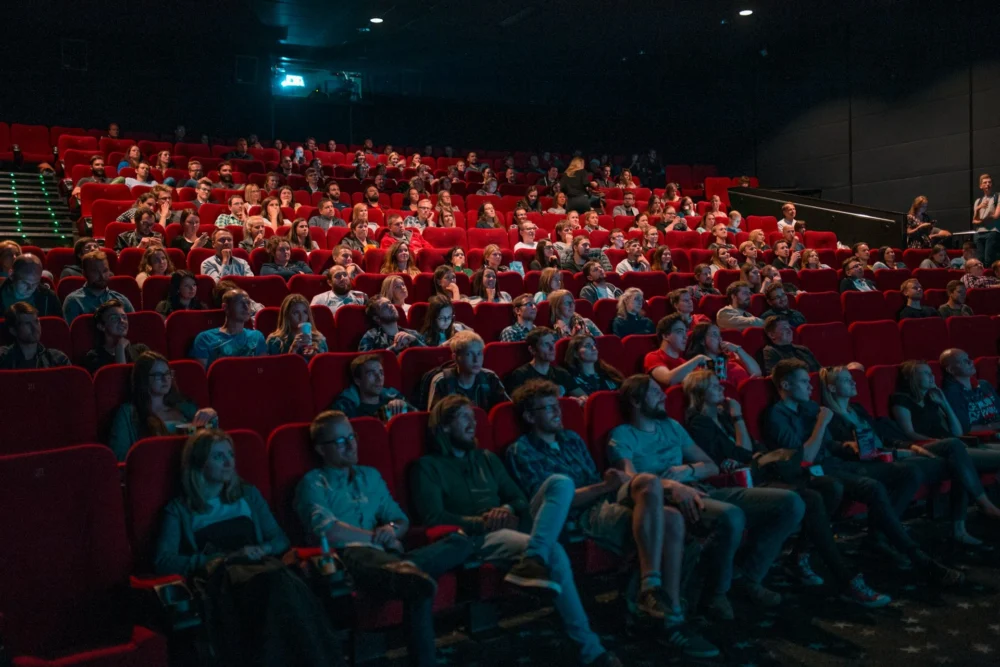
Photo by Krists Luhaers on Unsplash
Key Insights
- Older audiences are driving entertainment dollars, with adults 50 and over spending more than $10 billion on movies and streaming.
- Viewers want age-diverse storytelling, as 81% of adults say film and TV influence how people perceive aging.
- Demand is strong across generations, with 93% saying they’re likely to watch shows or movies led by actors 50 and older.
Fifty is no longer a niche demographic in Hollywood — it’s a market force.
A new national survey from AARP’s Movies for Grownups program finds that Americans increasingly want to see richer, more authentic portrayals of life after 50 on screen, and they are willing to spend money on it.
The study, titled “Rewriting the Script: The Power of Age Diversity on Screen,” surveyed more than 2,000 U.S. adults age 18 and older and highlights both cultural and financial incentives for the entertainment industry to rethink age representation.
According to the survey, 81% of adults say movies and television play a role in shaping how people view aging. More than half of respondents said stories featuring characters over 50 feel relatable across generations, challenging the long-held belief that older characters limit a project’s appeal.
Perception gap
That perception gap comes with a sizable price tag. Adults 50 and older now spend more than $10 billion annually on streaming services and moviegoing, underscoring the economic impact of a demographic often overlooked in casting and storytelling decisions.
“Stories shape how we see ourselves and one another,” said Myechia Minter-Jordan, CEO of AARP.
“When movies and television offer rich, authentic portrayals of life after 50, it shifts our perception of aging. Audiences are telling the industry clearly: stories that reflect the full span of life resonate across generations and challenge ageism. That is not only good for society, it is good for business.”
Age-diverse casts
The findings suggest strong viewer openness to age-diverse casts. Nearly all respondents — 93% — said they are likely to watch movies or TV shows with actors age 50 and older in leading roles. One in three adults reported that a film or television show has made them feel more positive about aging.
However, the survey also points to areas where representation still falls short. More than half of respondents said storylines about dating, intimacy, and love fail to reflect people of all ages.
Among adults 65 and older, only 16% said they feel accurately portrayed in romantic roles, highlighting a persistent gap in how later-life relationships are depicted.
The survey was released ahead of AARP’s annual Movies for Grownups Awards, which spotlight film and television projects created for and by people over 50. For more than two decades, the program has advocated against ageism in entertainment while promoting stories that reflect life at every stage.