
Do you, or a loved one, need a wearable fall detector?
The latest products combine motion sensors with smart algorithms
Updated:

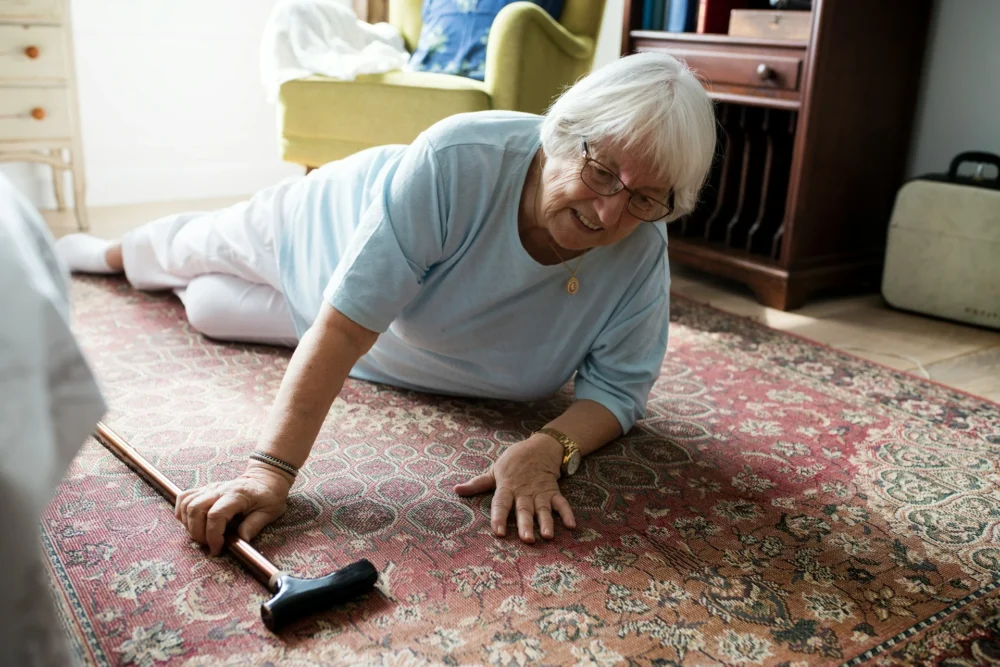
Photo by Curated Lifestyle on Unsplash
Key Insights
- What fall detectors do: These devices automatically sense when someone falls and can alert emergency contacts or a monitoring service within seconds — even if the person can’t press a button themselves.
- How they work: Most fall detectors combine motion sensors (like accelerometers and gyroscopes) with smart algorithms to distinguish a fall from normal movement and trigger an alert.
- Typical costs: Prices vary widely — from a modest monthly monitoring fee to integrated systems with equipment charges — depending on features like automatic detection, GPS, and two-way communication.
For people nearing retirement, especially those planning to age in place, fall detection technology is becoming an important safety tool. Falls are among the most serious health risks for older adults, often leading to injury, loss of independence, or lengthy hospital stays. Fall detectors can help reduce response times and give both users and their families peace of mind by ensuring help arrives quickly after a tumble.
At the heart of fall detection devices are motion sensors — most commonly accelerometers and sometimes gyroscopes — that monitor a person’s speed, orientation, and movement patterns. These sensors collect data continuously and feed it into smart algorithms that determine whether a sudden shift or impact looks like a fall.
How they work
When a potential fall is detected:
- The device typically triggers an alert automatically.
- A signal is sent to a monitoring service, a loved one, or even emergency services.
- Many systems then attempt to contact the user directly through a speaker or mobile interface; if there’s no response, help is dispatched.
There are two main formats of fall detection:
- Wearables: Pendants, wristbands, belt clips, or smartwatches that can be worn both at home and on the go.
- In-home or ambient systems: Sensors placed around living spaces, or camera-based systems, monitor movement in key areas.
Accuracy and limitations
No fall detection system is perfect — most vendors caution that they can’t catch every fall — but many detect a high percentage of events when worn or placed correctly. Devices worn close to the body’s center of gravity (like pendants) tend to be more accurate than wrist devices in some tests.
What they cost
- Equipment costs: Many systems come with a one-time hardware purchase — for example, some medical alert pendants or home sensors may cost roughly $100–$200 upfront, though specific prices vary by model and brand.
- Monthly monitoring fees: Because fall detection is often tied to a monitoring service (where trained professionals contact help on your behalf), typical plans range from about $25 to $50 per month, with fall detection sometimes included or costing an additional $5–$12 monthly.
- Smartwatch features: Devices like the Apple Watch include fall detection at no extra monthly fee beyond the wearable’s purchase price, though you may pay for cellular service if you want mobile connectivity.
Choosing the right system
Here are a few practical considerations:
- Where you spend most of your time: Portable devices help outside the home; in-home systems are focused on a base area.
- Response method: Do you want direct emergency service alerts or alerts first to caregivers/family?
- Additional features: GPS tracking, two-way voice communication, and water resistance are useful extras for active retirees.
Bottom line
For retirees and people nearing retirement, fall detectors are more than gadgets — they’re safety nets that can help maintain independence while offering reassurance to families.
With a range of price points and features available, many seniors find the modest monthly cost well worth the added peace of mind.