
Here’s another reason for seniors to be vaccinated against shingles
A study suggests the vaccine slows biological aging in older adults
Updated:

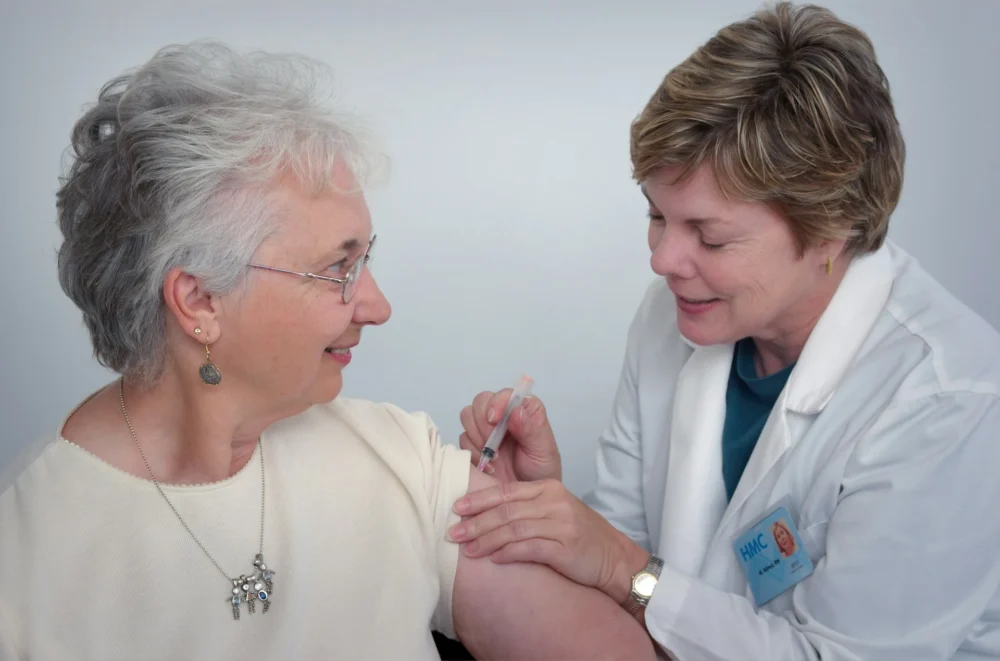
Photo by CDC on Unsplash
Key Insights
- A large U.S. study finds that older adults who received the shingles vaccine showed signs of slower biological aging, not just protection against infection.
- Vaccinated adults had lower inflammation and slower molecular aging, with the strongest effects seen in the first three years after vaccination.
- Researchers say the findings add to growing evidence that some vaccines may support healthier aging, but stress that more long-term studies are needed.
The shingles vaccine may do more than prevent a painful viral infection. New research published in the Journal of Gerontology: Biological Sciences suggests it could also be associated with slower biological aging in older adults.
Using data from the nationally representative U.S. Health and Retirement Study, researchers examined nearly 3,900 adults ages 70 and older to see whether those who had received a shingles vaccination showed differences in key biological aging systems. The results point to potential benefits that extend well beyond infection prevention.
The study analyzed seven domains of biological aging, including inflammation, immune function, cardiovascular health, neurodegeneration, and two molecular measures of aging—epigenetic and transcriptomic aging. These indicators were drawn from blood samples, immune cell analyses, and physical assessments collected in 2016.
Vaccine recipients had less inflammation
After adjusting for age, education, wealth, and health status, the researchers found that adults who had received a shingles vaccine had significantly lower levels of systemic inflammation and slower molecular aging. Measures based on DNA methylation and gene expression—often referred to as “biological clocks”—suggested that vaccinated individuals were aging more slowly at the cellular level than their unvaccinated peers.
Perhaps most telling, the shingles vaccine was associated with a lower overall biological aging score, a composite measure that reflects aging across multiple systems in the body. According to the researchers, this supports the idea that aging is a multisystem process—and that vaccination may influence several pathways at once.
“The strongest associations were seen within about three years after vaccination,” the authors reported, though signs of slower aging persisted beyond that window. This timing pattern suggests that the vaccine’s effects on biological systems may be most pronounced soon after immunization, with longer-lasting benefits over time.
Immune response
Not all findings were straightforward. The study also found higher scores in adaptive immunity among vaccinated adults, an unexpected result that researchers say warrants further investigation. It remains unclear whether this reflects a beneficial immune response or a more complex shift in immune aging.
The findings help shed light on earlier research linking shingles vaccination to lower risks of dementia and cardiovascular disease. Unlike prior studies based largely on medical records, this analysis directly measured biological markers tied to aging, offering a closer look at possible underlying mechanisms.
Researchers caution that the study does not prove cause and effect. People who get vaccinated tend to be more engaged in preventive health care, which itself is associated with healthier aging. Still, the consistency of the results across multiple biological domains strengthens the case for a potential protective effect.
As newer vaccines like Shingrix become more widely used, the authors say longitudinal studies will be critical to confirm whether vaccination can truly slow biological aging — and whether it could become part of broader strategies to promote healthy longevity.
For now, the study adds to a growing body of evidence suggesting that adult vaccines may have benefits that go far beyond preventing disease, potentially influencing how we age at the most fundamental biological level.