
Mediterranean Diet linked to lower stroke risk in women
But researchers caution that the findings only show an association
Updated:

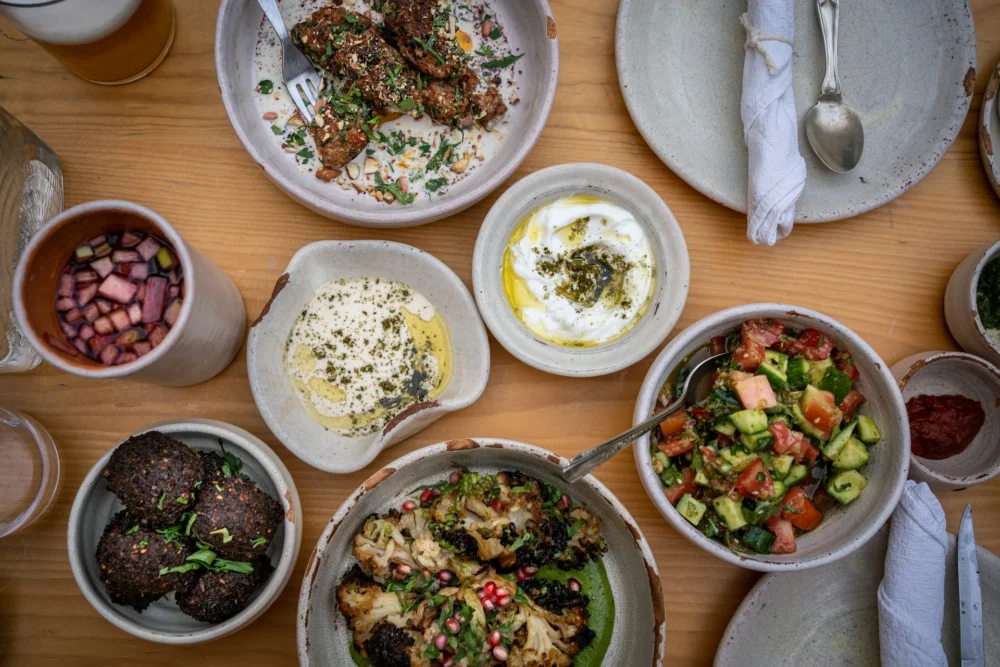
Photo by Alexandra Tran on Unsplash
Key Insights
- Following a Mediterranean diet is associated with a lower risk of all types of stroke among women, according to a new study.
- The study does not prove that the diet causes a lower risk; it only shows an association.
- Women with the highest adherence to the Mediterranean diet were 18% less likely to experience any stroke, including a 16% lower risk of ischemic stroke and a 25% lower risk of hemorrhagic stroke.
Women who closely follow a Mediterranean-style diet may have a significantly lower risk of stroke, according to a large study published in Neurology Open Access, a journal of the American Academy of Neurology.
Researchers tracked more than 105,000 women for an average of 21 years and found that those who most closely followed the Mediterranean diet were less likely to experience all major types of stroke — including ischemic and hemorrhagic strokes — compared with women whose diets least resembled the Mediterranean pattern.
The Mediterranean diet emphasizes vegetables, fruits, legumes, whole grains, fish, olive oil, and other healthy fats, while limiting red meat, dairy products, and saturated fats.
How much the diet reduced the risk
After accounting for factors such as smoking, physical activity, and high blood pressure, researchers found that women with the highest Mediterranean diet scores were:
- 18% less likely to have any type of stroke
- 16% less likely to have an ischemic stroke, the most common type caused by blocked blood flow to the brain
- 25% less likely to have a hemorrhagic stroke, caused by bleeding in the brain
“This is especially notable for hemorrhagic stroke, which has been less studied in large populations,” said lead author Dr. Sophia S. Wang of City of Hope Comprehensive Cancer Center.
Over the study period, more than 4,000 strokes occurred among participants. Stroke risk was lowest among women who consumed higher amounts of fruits, vegetables, whole grains, fish, and olive oil, and lower amounts of red meat and dairy.
The researchers caution that the study shows an association, not proof that the diet directly prevents stroke. Diet information was self-reported, which can introduce errors. Still, the findings add to growing evidence that dietary choices play a key role in long-term brain and cardiovascular health.
Stroke remains a leading cause of death and disability worldwide, making prevention strategies — including diet — an important area of ongoing research.