
Peanut butter linked to stronger muscles in older adults, study finds
Peanut butter-eaters performed better in sit-to-stand tests
Updated:

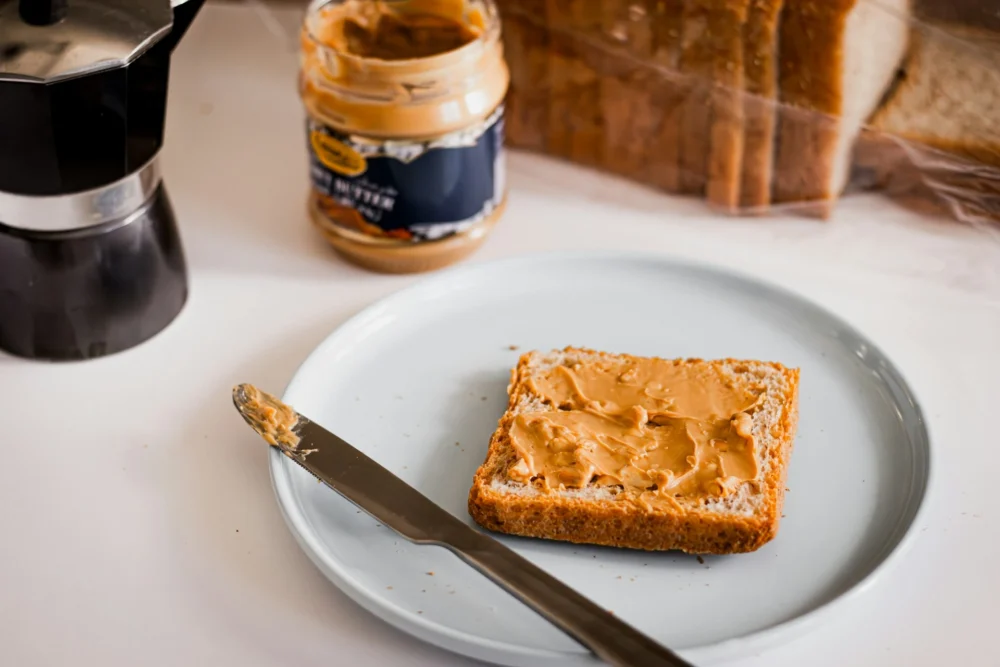
Photo by The Design Lady on Unsplash
Key Insights
- A new clinical trial found that a daily serving of peanut butter improved lower-body muscle power in older adults at risk of falls.
- Participants who ate about three tablespoons of peanut butter daily for six months completed mobility tests faster than those who did not.
- Researchers say peanut butter could be an affordable, familiar alternative to commercial nutrition supplements for seniors.
A lot of baby boomers grew up on peanut butter. A new study suggests they should keep it in their diet. Researchers at Deakin University in Australia say a daily serving of peanut butter may help older adults improve muscle power and mobility.
The findings, published in the peer-reviewed Journal of Cachexia, Sarcopenia and Muscle and highlighted by The Peanut Institute, suggest that incorporating peanut butter into the diet could provide a simple nutritional strategy to help seniors maintain strength and independence.
The six-month study, called the Capacity of Older Individuals after Nut Supplementation (COINS) trial, was led by Dr. Sze-Yen Tan, an associate professor and nutrition researcher at Deakin University’s Institute for Physical Activity and Nutrition in Melbourne.
Researchers followed 120 adults ages 66 to 89 who were living independently but considered at risk for falls. Half of the participants were randomly assigned to consume 43 grams of natural peanut butter daily — about three tablespoons — while the rest maintained their normal diets and lifestyles.
Sit-to-stand tests
At the end of the study period, both groups performed five sit-to-stand tests, which measure lower-body strength and muscle power. Participants who consumed peanut butter were able to complete the tests faster than those in the control group.
“Being able to complete the test faster means greater muscle power,” Tan said. “Muscle power enables older people to perform activities of daily living, such as stair climbing and rising from a chair.”
Improved muscle power can also reduce the risk of falls, a major cause of injury, loss of independence, and reduced quality of life among older adults.
Researchers also noted that participants in the peanut butter group increased their intake of protein and unsaturated fats, but did not experience weight gain during the study.
Tan said peanut butter could complement other fall-prevention strategies, such as strength and resistance training programs designed to preserve muscle function.
“Our study shows that eating natural peanut butter, as a snack or part of a meal, can be used in combination with these therapies to further enhance muscle power and improve nutrition,” she said.
The researchers also highlighted peanut butter’s potential advantages over traditional oral nutrition supplements often recommended to seniors. Commercial supplements can be expensive and sometimes unappealing in taste, which can lead to poor adherence.
Peanut butter, by contrast, is widely familiar, relatively inexpensive, and easy to consume. Its soft texture may also make it suitable for older adults who have difficulty chewing harder foods like whole nuts.
Evidence from other studies
The new findings add to a growing body of research examining the relationship between peanut consumption and muscle health.
A 2021 study by Auburn University found that older adults participating in resistance training experienced greater improvements in muscle growth and strength when they added peanut powder to their diets over a 12-week period. Peanuts are rich in protein and the amino acid leucine, which supports muscle repair and growth.
Researchers have also reported potential endurance benefits. A 2022 study found that consuming peanuts before prolonged exercise improved endurance performance, while a 2023 study published in Nutrients suggested peanut proteins may help reduce fatigue by lowering oxidative stress.
Additional research has examined body composition. A 2024 study in Medicine & Science in Sports & Exercise found that athletes who consumed peanuts and peanut butter while engaging in resistance training experienced increases in lean body mass.