
How your body’s internal clock affects sleep, health, and aging
Simple habits like morning sunlight, daily activity, and regular routines can help older adults keep their circadian rhythm on track
Updated:

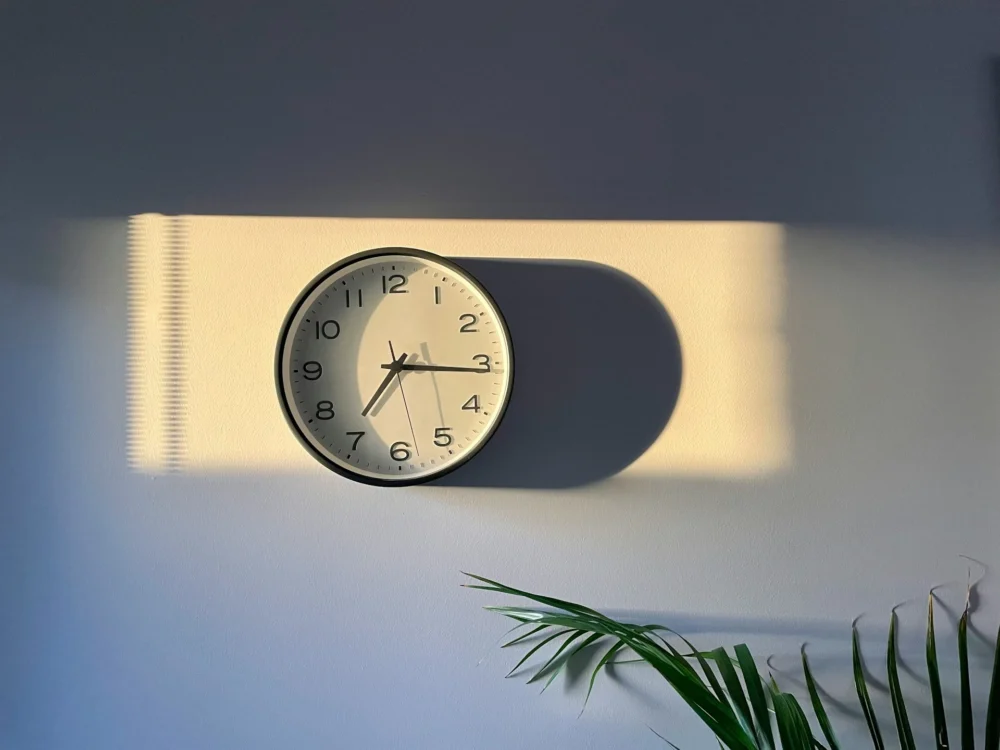
Photo by Renel Wackett on Unsplash
Key Insights
- Our circadian rhythm is the body’s internal 24-hour clock that helps control sleep, digestion, energy levels, and many other vital functions.
- A strong daily rhythm is linked to better sleep, clearer thinking, and even longer life, according to researchers at Yale School of Medicine.
- Simple habits — like morning sunlight, regular activity, and consistent sleep times — can help keep the body’s clock on track, especially after disruptions such as Daylight Saving Time.
After Americans adjust their clocks for Daylight Saving Time each spring, sleep experts say the change can temporarily throw off the body’s natural rhythm — something older adults may feel more strongly.
The body runs on a circadian rhythm, an internal biological cycle that operates roughly every 24 hours. This rhythm helps coordinate many of the body’s most important functions, including when we feel sleepy, hungry, or alert.
“It’s a stabilizing force in the body that coordinates almost everything,” said Dr. Melissa Knauert, an associate professor of medicine specializing in pulmonary, critical care, and sleep medicine at Yale School of Medicine. “Every cell has a clock, and the brain has a central clock.”
The importance of light
The circadian system relies heavily on environmental signals — especially light — to stay synchronized. When the body receives those cues regularly, it knows when it’s time to wind down for sleep and when it’s time to wake up and be active.
Different parts of the body are also programmed to work best at certain times of day. For example, nighttime is the biological window for the longest, most restorative sleep, while daytime is when the body is best prepared to digest food and stay active.
Researchers say maintaining a steady circadian rhythm can benefit more than just sleep. According to Dr. Brienne Miner, an assistant professor of medicine in geriatrics at Yale, healthy daily rhythms are tied to broader health outcomes.
“It turns out that it has been linked to other important outcomes, like cognition and mortality,” Dr. Miner said.
Interference
However, many everyday factors can disrupt the body’s natural timing. Travel across time zones, irregular work schedules, stress, and the one-hour clock change each spring can all temporarily interfere with the circadian system.
Lifestyle habits also play a role. Spending long periods indoors, staying sedentary, or eating and sleeping at irregular times can weaken the body’s natural rhythm.
Experts say one of the most effective ways to strengthen the circadian clock is to stay active and spend time outside during the day. For older adults in particular, simply leaving the house can have multiple benefits.
“Getting out of the house is a multimodal intervention,” Dr. Miner said. “It gets you exposed to light, and social and physical activity.”
Seek sunlight
Morning sunlight is especially important. Dr. Knauert recommends getting outdoor light early in the day — particularly in the first week or two after the switch to Daylight Saving Time — to help reset the body’s clock. In the evening, limiting bright lights and avoiding late meals may also help prepare the body for sleep.
Scientists are continuing to learn how deeply circadian rhythms affect health. Emerging research suggests that timing may even influence how well certain medications work or when treatments like chemotherapy are most effective.
“The circadian system is like a biological road map that we can follow to improve sleep and many aspects of our health,” Dr. Knauert said.
For older adults, experts say the takeaway is simple: keep daily routines steady, get outside when possible, and let natural light help guide the body’s clock. Over time, those small habits can support better sleep, sharper thinking, and overall well-being.