
There’s another good reason to get a shingles vaccination
Shingles infection may raise the risk of cognitive decline in older adults
Updated:

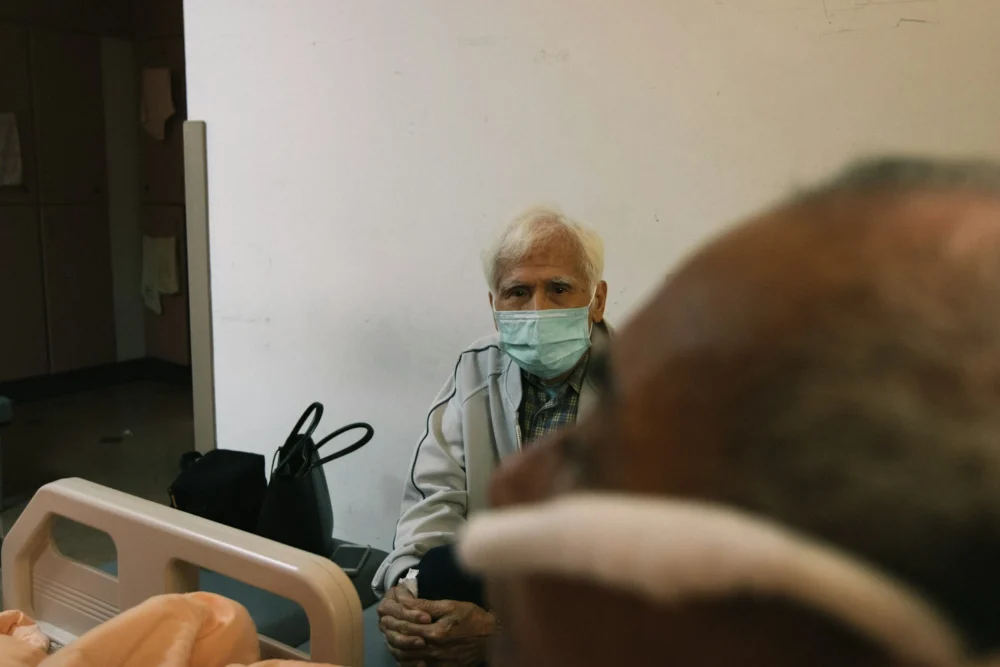
Photo by Mandy Zhu on Unsplash
Key Insights
- New research suggests shingles infections may increase the risk of cognitive decline in older adults.
- Scientists believe inflammation and damage to blood vessels caused by the virus may affect the brain.
- Studies also show that preventing shingles with vaccination may lower the risk of dementia later in life.
A painful case of shingles may have consequences beyond the skin rash that typically accompanies the disease. A growing body of research suggests the viral infection could also play a role in cognitive decline among older adults.
Shingles, also known as herpes zoster, occurs when the varicella-zoster virus—the same virus that causes chickenpox—reactivates in the body years or even decades after the initial infection. While shingles is widely known for causing severe nerve pain and blistering rashes, scientists are increasingly investigating how the virus may affect the brain.
Several recent studies have found that older adults who experience shingles appear more likely to report problems with memory, concentration, and other cognitive functions in the years following the infection. Some research suggests the risk of long-term cognitive decline may be roughly 20 percent higher among people who have had shingles compared with those who have not.
Researchers emphasize that shingles does not necessarily cause dementia directly. However, the infection may trigger biological changes that increase vulnerability to cognitive problems later in life.
Harmful inflammation
One possible explanation involves inflammation. When the virus reactivates, it can trigger widespread inflammation in the body and nervous system. In some cases, the virus can travel along nerve pathways and affect blood vessels in the brain, leading to a condition known as viral vasculopathy. This inflammation may increase the risk of stroke or other vascular damage linked to dementia.
“Reactivation of the virus can set off inflammatory responses that potentially affect brain health,” researchers note in studies examining the relationship between shingles and neurological disease.
Another theory is that viral infections may activate immune responses that accelerate existing age-related brain changes. Older adults already face increased risks of neurodegenerative diseases such as Alzheimer’s, and infections like shingles may compound those risks.
Evidence supporting the connection also comes from research examining shingles vaccination. Several large population studies have found that people who receive shingles vaccines appear less likely to develop dementia later in life. While the exact reason is not yet clear, scientists believe preventing viral reactivation may reduce inflammation or other processes that affect the brain.
Older adults are most at risk
Shingles is relatively common among older adults. About one in three people in the United States will develop the condition during their lifetime, with risk rising sharply after age 50 as immune systems weaken.
Because of this, health experts say prevention remains important not only to avoid the painful symptoms of shingles but also to protect overall health.
“The best protection against shingles is vaccination,” the Centers for Disease Control and Prevention advises, recommending the shingles vaccine for adults aged 50 and older.
Scientists say more research is still needed to understand exactly how shingles may influence brain health. But the growing evidence linking viral infections and cognitive decline is prompting researchers to take a closer look at how managing infections might help reduce the risk of dementia in aging populations.