
What causes cognitive decline? Scientists are learning more
A major study finds memory loss may arrive faster than expected
Updated:

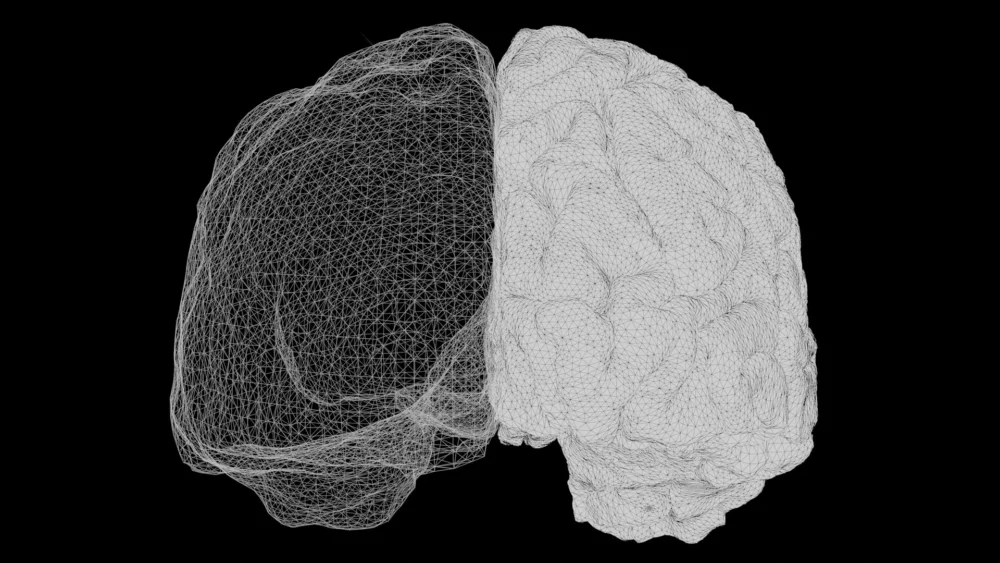
Photo by Shawn Day on Unsplash
Key Insights
- A large new brain study finds cognitive decline is not gradual but can accelerate after a biological “tipping point.”
- Memory loss is linked to widespread brain shrinkage — not just one region like the hippocampus.
- Researchers say the findings could help identify at-risk individuals earlier and guide prevention strategies.
A new analysis of brain scans and memory tests is reshaping how scientists understand cognitive decline, suggesting that memory loss in aging adults may accelerate suddenly rather than fade gradually over time.
The study, published in Nature Communications and highlighted by ScienceDaily, analyzed more than 10,000 MRI scans and over 13,000 memory assessments from nearly 3,700 cognitively healthy adults across multiple long-term studies.
Researchers found that memory decline is tied to widespread structural changes across the brain, not just deterioration in a single region long thought to be central to memory.
A ‘tipping point’ in brain aging
One of the study’s most striking findings is that cognitive decline does not follow a steady, linear path. Instead, it appears to accelerate once brain shrinkage crosses a certain threshold.
People experiencing faster-than-average brain tissue loss showed disproportionately steeper drops in memory performance — evidence of what scientists describe as a biological “tipping point.”
This means that for many individuals, memory may remain relatively stable for years before declining rapidly over a shorter period.
Beyond the hippocampus
While the hippocampus — long considered the brain’s memory center — remains important, the research shows it is only part of a much larger system.
Structural changes linked to memory decline were observed across both cortical and subcortical regions, indicating a “distributed vulnerability” throughout the brain. In other words, cognitive decline reflects the breakdown of a network, not the failure of a single structure.
The findings also challenge the idea that memory loss is simply an inevitable consequence of aging or driven primarily by known genetic risks such as Alzheimer’s-related genes. Instead, researchers say cognitive decline reflects a complex interaction of age-related processes that accumulate over decades, even in otherwise healthy adults.
Implications for prevention
Scientists say the research could have important real-world implications, particularly in identifying people at higher risk before rapid decline begins.
Earlier detection could open the door to targeted interventions — from lifestyle changes to cognitive training — aimed at preserving brain health before the tipping point is reached.
Other recent research supports that possibility. Studies suggest factors such as diet, exercise, and cognitive training may help reduce the risk or delay the onset of dementia, highlighting that brain aging is not entirely beyond human control.