
Hobbies in retirement can keep you physically active and mentally sharp
It’s also a good way to maintain social connections
Updated:

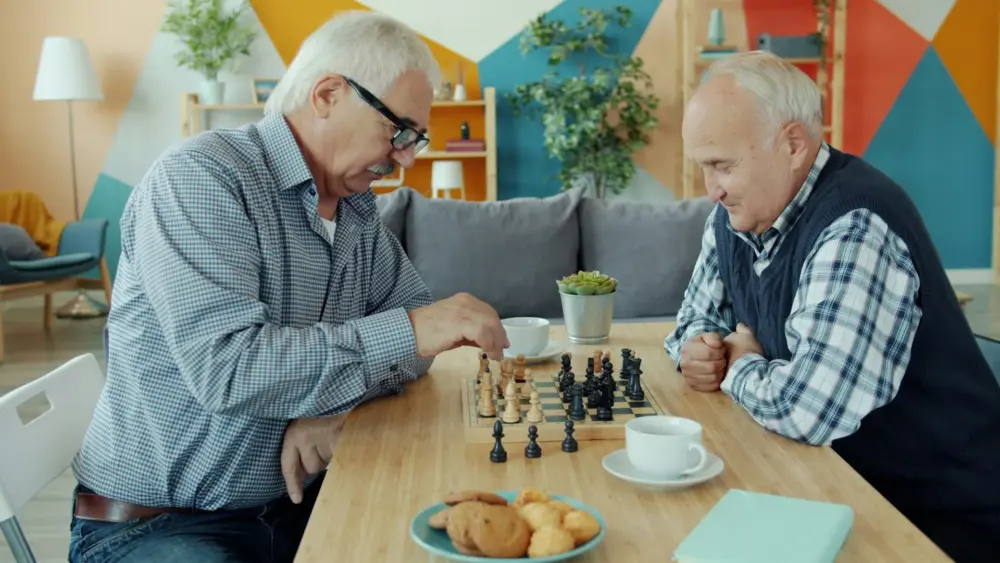
Photo by Vitaly Gariev on Unsplash
Key Insights
- Staying physically active through enjoyable hobbies can reduce the risk of chronic illness and improve mobility.
- Mentally engaging activities help maintain cognitive function and may delay memory decline.
- Social hobbies foster connection, reduce loneliness, and support emotional well-being.
Retirement offers the opportunity to reinvent yourself. You’re not going to work each day – so, what are you doing?
The absence of a structured work schedule can feel liberating, but it can also lead to inactivity or isolation if not approached intentionally. Adopting the right hobbies can play a powerful role in maintaining both physical and mental health during this stage of life.
One of the most accessible and beneficial categories is physical hobbies. Activities like walking groups, swimming, cycling, yoga, or tai chi provide low-impact ways to stay active. These hobbies not only strengthen the heart and muscles but also improve balance and flexibility — key factors in preventing falls. Gardening is another excellent option, combining moderate physical effort with time outdoors, which has been shown to boost mood and reduce stress.
Mentally stimulating hobbies
Equally important are mentally stimulating hobbies. Learning a new skill — such as playing a musical instrument, painting, or speaking a new language — keeps the brain engaged and adaptable.
Strategy-based games like chess, bridge, or even puzzles and crosswords can sharpen memory and problem-solving abilities. Many retirees also find satisfaction in writing, whether it’s journaling, blogging, or even working on memoirs, which can be both reflective and cognitively enriching.
Social hobbies deserve special attention because they address emotional health. Joining clubs, volunteering, or participating in community theater or group classes creates regular opportunities for interaction.
A sense of purpose
These connections can reduce feelings of isolation, which are linked to depression and declining health. Volunteer work, in particular, provides a sense of purpose and contribution, which many retirees miss after leaving the workforce.
Some hobbies offer a blend of all three benefits. For example, dancing combines physical exercise with mental coordination and social interaction. Similarly, group hiking or travel clubs encourage movement, learning, and connection all at once.
Ultimately, the best hobbies are those that retirees genuinely enjoy and can sustain over time. The goal isn’t to stay busy for the sake of it, but to cultivate activities that bring energy, curiosity, and connection into daily life. With the right mix of physical, mental, and social engagement, retirement can become one of the healthiest and most rewarding chapters of life.