
The Woodstock Generation may not be that eager to retire
The author cites examples of older adults’ continuing contributions
Updated:

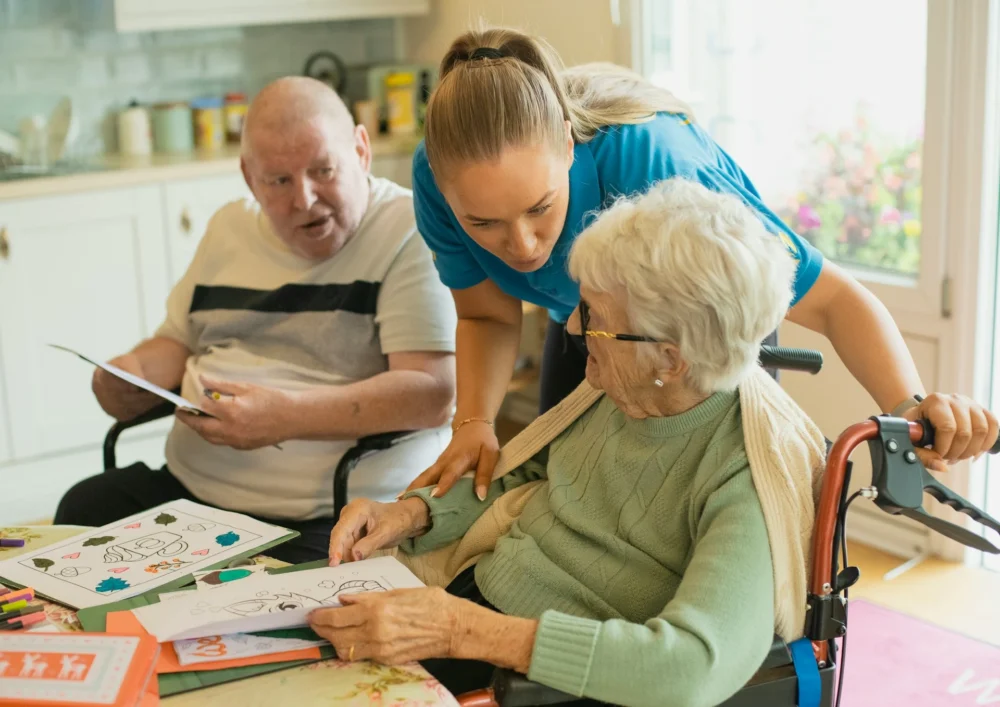
Photo by Age Cymru on Unsplash
Key Insights
- Baby Boomers are living longer, healthier lives, creating a “longevity revolution” that challenges traditional ideas of retirement.
- Experts say society is underutilizing the experience and knowledge of older adults, treating them as a burden instead of a resource.
- A new book and organization aim to help older Americans find purpose, remain engaged, and continue contributing beyond traditional careers.
Baby Boomers, who grew up with better health care than their parents, are living longer, and that’s reshaping how Americans think about aging, retirement, and the role of older adults in society.
Vicki Thomas, author of the book From Woodstock to Wisdom, and one of the first members of the Baby Boom generation to turn 80, is raising a conversation that reaches far beyond retirement planning.
The U.S. Census Bureau projects that by 2030, all Baby Boomers will be at least 65 years old, totaling roughly 73 million people. A growing share of that group is expected to remain healthy and engaged for decades beyond traditional retirement age.
But while lifespans are increasing, the systems built around retirement have not kept pace, the author argues. Institutions designed for shorter lives are struggling to absorb what it describes as a surge of “energy, capacity, and accumulated knowledge” among older adults.
Changes in how aging is viewed
Thomas’ book advocates for a shift in how society views aging, from decline to continued contribution.
Thomas argues that sidelining older adults comes at a cost. Younger generations lose access to mentorship, communities miss out on leadership, and older individuals themselves may lose a sense of purpose — something research has linked to better health and longevity.
Her organization, My Future Purpose, offers programs such as discussion groups, workshops, and coaching aimed at helping older adults redefine their next chapter. The initiative promotes multiple “pathways to purpose,” including volunteering, entrepreneurship, advocacy, and pursuing long-held interests.
The broader message reflects a growing national conversation: longer lives are not just a medical achievement, but a social and economic shift.