
A daily walk is great, but a fast walk is even better
Researchers find a brisk pace can reduce frailty risks
Updated:

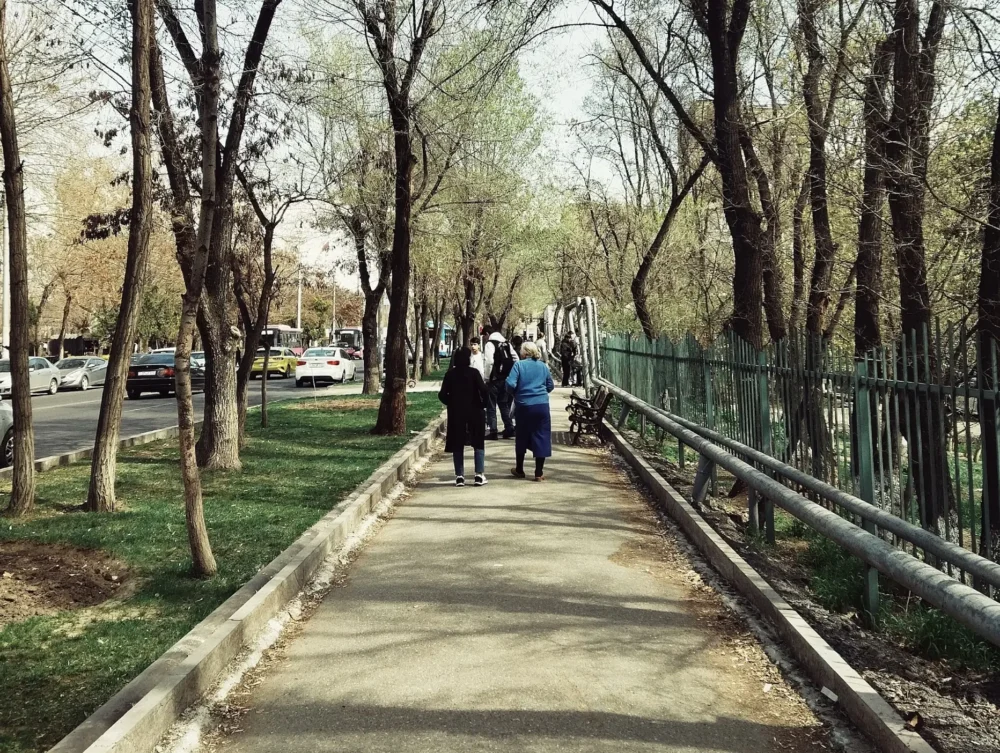
Photo by Angin Harutyunyan on Unsplash
Key Insights
- A brisker walking pace—just 14 extra steps per minute—can significantly improve mobility in older adults who are frail or at risk of frailty.
- A new smartphone app called “Walk Test” makes it easy to track walking cadence and guide pace-based fitness improvements.
- Walking faster is linked to better independence, physical function, and mental well-being among older adults.
Many seniors take a daily walk to remain fit as they age. Scientists say stepping up the pace of those walks can have added benefits.
Researchers from the University of Chicago Medicine have discovered that slightly increasing walking pace can lead to significant physical improvements in older adults who are frail or at risk of becoming so. The study, published in Digital Biomarkers, reveals that walking just 14 steps per minute faster than one’s usual pace can yield meaningful gains in mobility, independence, and quality of life.
Frailty is a medically recognized condition that heightens vulnerability to everyday stresses, increasing risks of falls, hospitalizations, and dependency. Common signs include unintended weight loss, muscle weakness, persistent fatigue, slower movement, and reduced physical activity. Because most of these symptoms relate to mobility, researchers focused on walking as a practical intervention.
Faster pace improves physical function
The study, led by Dr. Daniel Rubin, an anesthesiologist at UChicago Medicine, analyzed data from older adults classified as frail or prefrail who participated in structured walking programs in retirement communities.
Participants were split into two groups; one walked at their usual pace, while the other was encouraged to walk “as fast as safely possible.”
Using a thigh-worn device to measure cadence, researchers found that those who walked 14 steps per minute faster (about 100 steps per minute total) showed measurable improvements in distance walked during a standard test, a key indicator of physical function.
“People who haven’t experienced frailty can’t imagine how big a difference it makes to not get tired going to the grocery store or not need to sit down while they’re out,” said Rubin.
To translate these findings into daily life, Rubin’s team developed a smartphone app called Walk Test, which helps users measure and track their walking cadence with research-grade accuracy. Unlike built-in step counters, the app uses open-source methods to provide reliable feedback on walking speed through short, deliberate tests.
“We wanted to make it as low-barrier as possible so it’s easy for older adults to use without additional equipment,” Rubin explained. The goal was to empower users, especially those with limited access to health tech, to engage in self-guided walking programs with confidence.
Simple steps to stay independent
While even casual walking proved beneficial in the study, walking faster provided stronger results. Rubin recommends establishing a baseline walking pace by counting steps per minute, then using metronome apps to gradually and comfortably increase cadence.
Though the Walk Test app isn’t yet publicly available, free metronome apps can serve as effective substitutes to help maintain a steady rhythm and measure progress.