
Advice about daily aspirin for seniors has changed
Doctors now agree it’s not right for everyone
Updated:

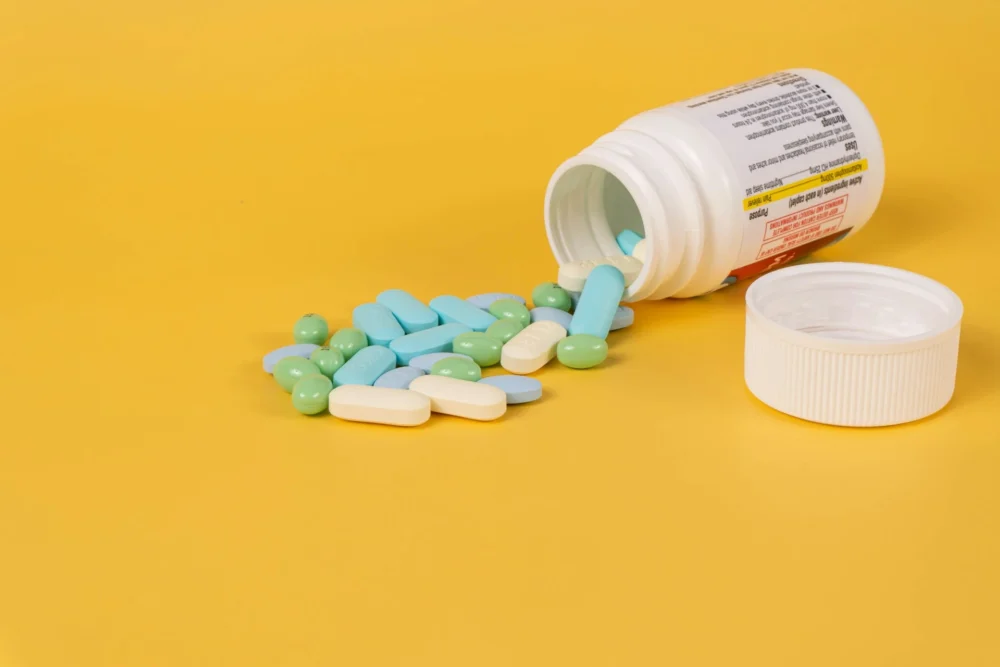
Photo by Etactics Inc on Unsplash
Key Insights
- Daily aspirin can reduce the risk of heart attack or stroke for some seniors — but not all.
- The same pill that thins the blood can also raise the risk of dangerous bleeding.
- Newer guidelines urge older adults to think twice before starting aspirin without medical advice.
For decades, a daily aspirin was considered a near-universal prescription for aging Americans hoping to protect their hearts. The tiny white tablet, inexpensive and widely available, became a symbol of preventive medicine. But in recent years, doctors and researchers have taken a more cautious view — especially when it comes to seniors.
The debate centers on a simple question with a complicated answer: Do the benefits of daily aspirin outweigh the risks for older adults?
The potential benefits
Aspirin works by reducing the blood’s ability to clot. That property can be lifesaving for people who have already had a heart attack, ischemic stroke, or certain heart procedures. In these cases — known as secondary prevention — aspirin has been shown to lower the risk of another cardiovascular event.
Many cardiologists note that for seniors with a history of heart disease, aspirin can still be a cornerstone of treatment. By preventing clots that can block arteries, aspirin may reduce the chance of repeat heart attacks or strokes, conditions that become more common with age.
Some seniors also take aspirin because they believe it offers broader protection, including possible benefits for colon cancer prevention. Earlier studies hinted at such effects, though more recent research has been mixed and less conclusive for older adults.
The growing concern about risks
What has shifted medical opinion is a clearer understanding of aspirin’s downsides—particularly bleeding.
As people age, the lining of the stomach becomes more vulnerable, and blood vessels become more fragile. Aspirin can irritate the gastrointestinal tract and increase the risk of ulcers and internal bleeding. More seriously, it can raise the risk of bleeding in the brain, which can be life-threatening.
Large clinical trials over the past decade found that for many seniors without existing heart disease—those using aspirin for primary prevention—the reduction in heart attacks was small, while the increase in bleeding risk was significant.
These findings have prompted major medical organizations to update their guidance. Today, routine daily aspirin is no longer widely recommended for adults over 60 who have never had cardiovascular disease.
Why one-size-fits-all advice no longer works
One reason aspirin remains controversial is that seniors are not a single, uniform group. Health status varies widely between a healthy 65-year-old and an 85-year-old with multiple chronic conditions.
Factors such as high blood pressure, diabetes, smoking history, use of blood thinners, and even frequent falls can all influence whether aspirin is more helpful or harmful. The dose matters too: even “low-dose” aspirin can cause problems in some individuals.
Doctors increasingly emphasize personalized risk assessment rather than blanket recommendations. In some cases, lifestyle changes — like diet, exercise, and cholesterol-lowering medications — may offer safer protection against heart disease than aspirin alone.
What seniors should do now
Doctors agree on one point: seniors should not start or stop daily aspirin on their own. Abruptly stopping aspirin can be dangerous for people who have been prescribed it after a heart attack or stroke.
Instead, older adults are encouraged to have a clear conversation with their health care provider. That discussion should weigh cardiovascular risk against bleeding risk, review current medications, and consider overall health and life expectancy.