
Elderly Driving Statistics: Key Trends, Risks & Safety Insights


Updated:
Open Access
21.8% of drivers are aged 65 or older, and this number is rising. By 2030, the 70-and-older population will reach 53 million. While more seniors are driving than ever, aging affects safety, accident risks, and insurance costs.
Between 2000 and 2020, licensed senior drivers increased by 68%, highlighting the need for awareness.
This article explores key driving statistics for elderly drivers and essential safety tips.

Key Insights
21.8% of all drivers are aged 65 or older, and by 2030, the 70-and-older population will reach 53 million.
↓ Jump to insight
Between 2000 and 2020, the number of licensed drivers aged 65+ increased by 68%, reaching nearly 48 million.
↓ Jump to insight
In 2022, 7,971 people aged 65+ died in traffic accidents.
↓ Jump to insight
Male drivers aged 65+ account for 72% of fatal crashes, while females make up 28%.
↓ Jump to insight
Common pain relievers like ibuprofen and naproxen may increase crash risk by 58%.
↓ Jump to insight
The Rising Number of Senior Drivers
More seniors are driving today than ever before. As people live longer and stay active later in life, older adults make up a growing share of drivers. Many keep their driver’s licenses for longer, continuing to drive well into their 70s and beyond.
According to the Federal Highway Administration, 21.8% of drivers are aged 65 or older, and this number is only going up. By 2030, the 70-and-older population is expected to reach 53 million.
The statistics on elderly drivers from the National Highway Traffic Safety Administration (NHTSA) show a dramatic rise in senior drivers over the past two decades. Senior driving statistics in the CDC show that between 2000 and 2020, the number of licensed drivers aged 65 and older jumped by 68%, reaching nearly 48 million.
With this growing number of older drivers, it’s important to consider how aging affects driving ability, safety, and insurance costs.
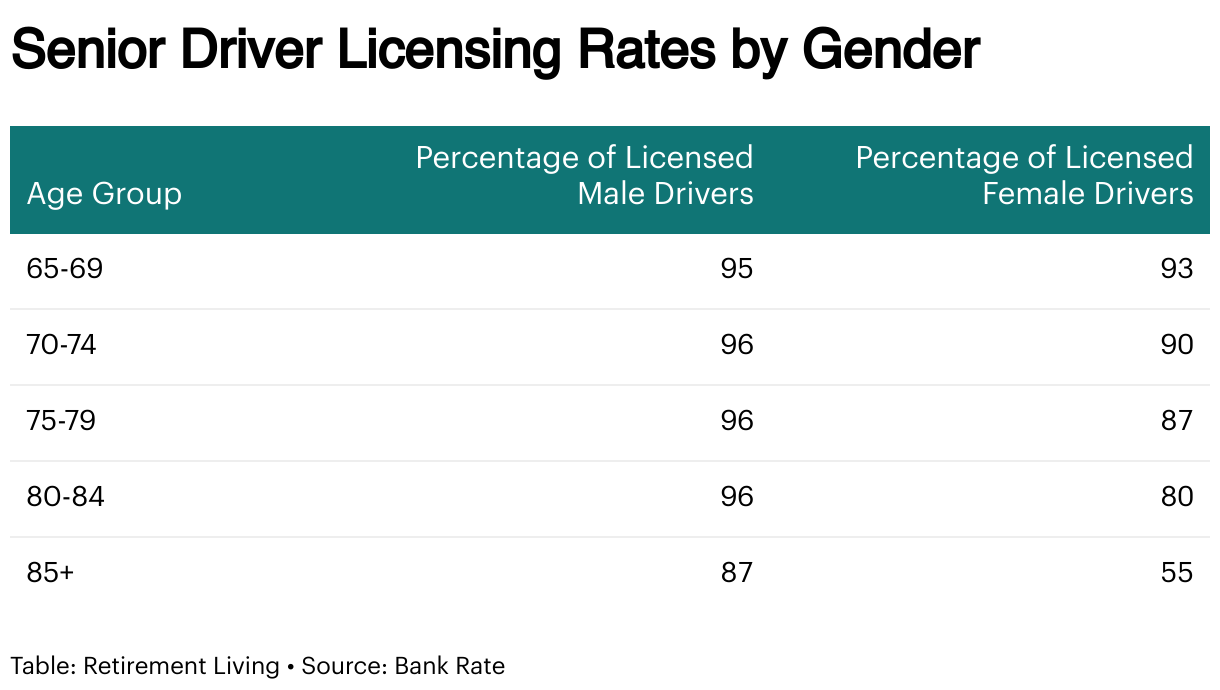
Men tend to remain active drivers much longer than women. In fact, the highest percentage of licensed male drivers falls within the 65 to 84 age range. In contrast, women significantly reduce their driving in their late 70s, with a sharp decline beyond age 85. The table below provides a breakdown of licensed drivers by age group and gender.
Fatalities and Car Crash Risks Among Seniors
As people age, they become more vulnerable to injuries in car accidents. While older drivers don’t necessarily cause more motor vehicle crashes, they face a higher risk of serious injury or death when involved in one due to increased physical fragility.
In 2022, 7,971 people aged 65 and older lost their lives in traffic accidents, accounting for 19% of all traffic fatalities that year. Among them, 5,626 were aged 70 and older. Despite making up a growing portion of the driving population, older drivers were involved in 14% of all fatal car crashes.
Although senior drivers are generally more cautious, the risks they face on the road remain significant.
Gender and Fatal Crash Involvement Among Seniors
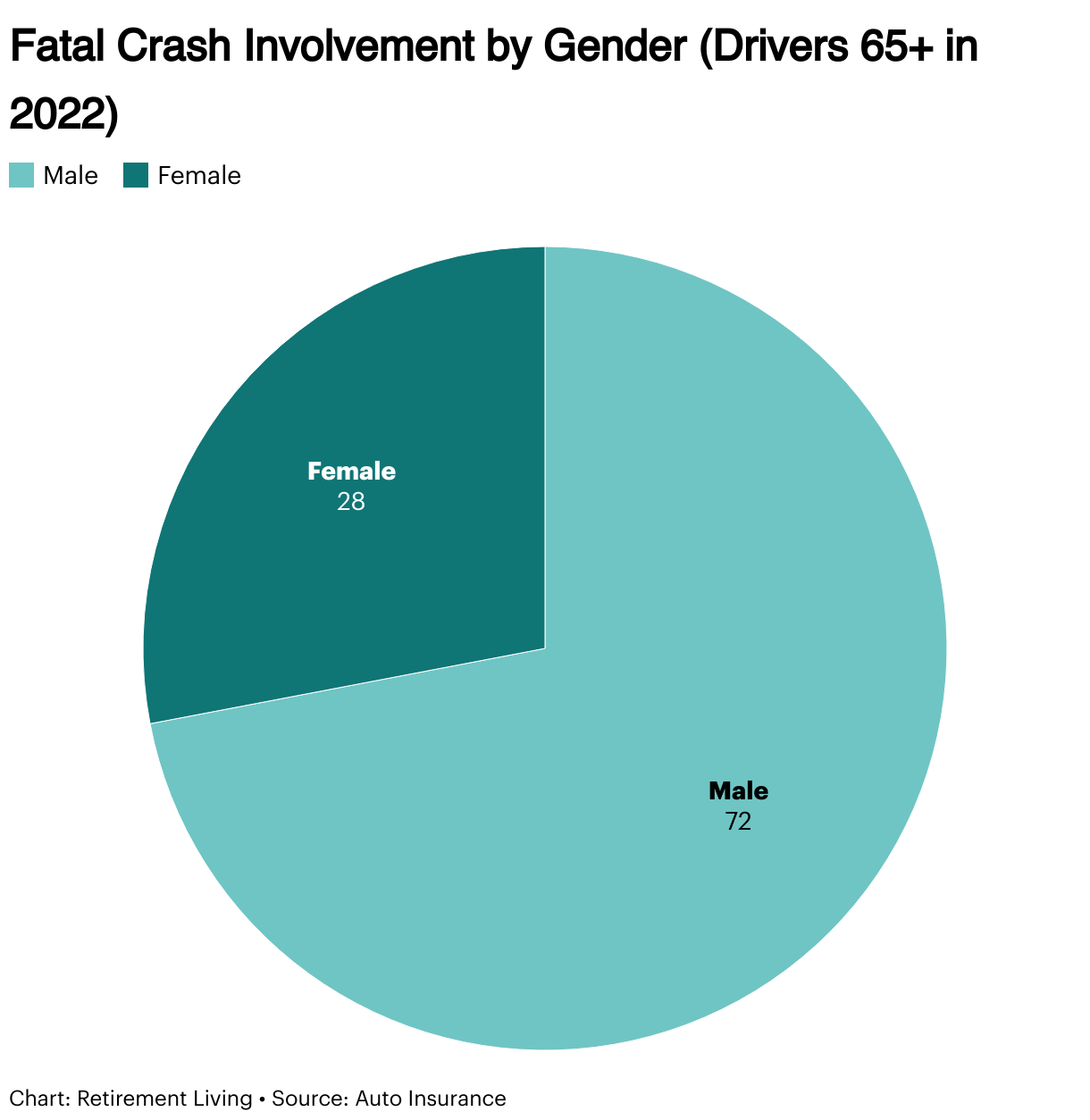
One major factor in crash statistics is gender. Male drivers aged 65 and older account for 72% of fatal crashes, making them significantly more likely to be involved in traffic crashes than female drivers, who account for 28%.
This pattern holds true across all age groups, but it is particularly notable among seniors, where men tend to drive more frequently and take greater risks on the road.
Fatal Crash Rates Increase with Age
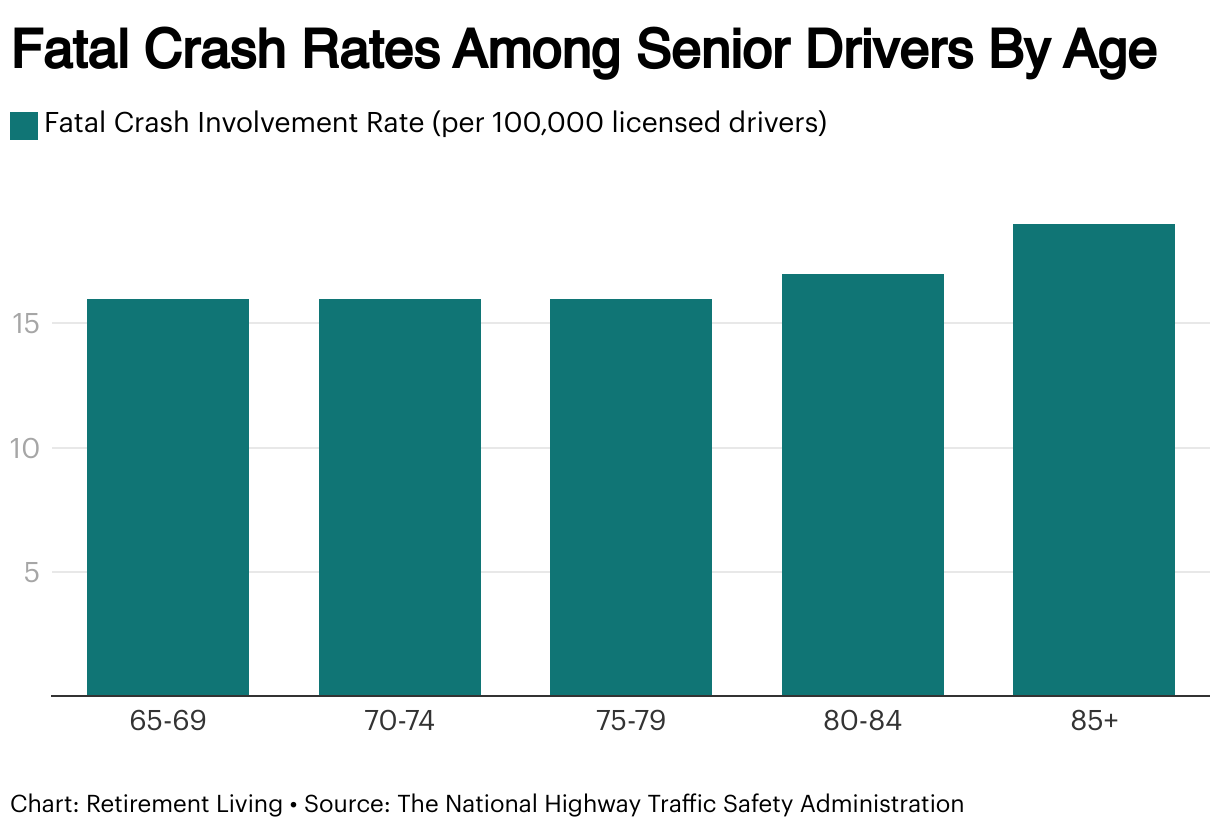
Another important factor is the drivers’ age. While drivers in their mid-60s have relatively stable crash rates, the risk starts climbing significantly after age 80. According to the data from NHTSA, the most vulnerable group is drivers 85 and older, who have the highest fatal crash involvement rate.
How Car Insurance Changes with Age
Car insurance rates fluctuate throughout a driver’s life, primarily based on experience, accident risk, and physical ability. While younger drivers face high premiums due to inexperience, older drivers begin to see increased costs as their accident risk rises with age.
- Age 25: Car insurance is expensive for teenagers due to their lack of experience and higher accident risk. However, once drivers turn 25, their rates drop by an average of 9%.
- Ages 30 to 40: Rates remain relatively low during this period, as drivers are considered responsible and experienced, with a lower likelihood of accidents.
- Ages 50 to 60: This age group generally enjoys the lowest insurance rates due to extensive driving experience and lower accident risk. They are also less likely to have hearing or vision impairments compared to older drivers.
- Ages 70 to 80: Once drivers enter their mid-70s, insurance rates start increasing again. This is due to a higher likelihood of accidents and increased vulnerability to injuries, which can lead to costly medical expenses.
- 80s and Beyond: Despite decades of driving experience, reflexes and reaction times decline, increasing the likelihood of crashes and pushing premiums higher.
Essential Safety Tips for Senior Drivers
As we age, certain adjustments can make driving safer and more comfortable. By being mindful of when and how we drive, as well as utilizing the right vehicle features, senior drivers can reduce their risk of accidents and stay safe on the road.
Avoid Nighttime Driving
Studies indicate that drivers over the age of 75 face a risk of fatality in crashes that is more than triple that of younger drivers. So, older adults should limit driving at night, during sunrise or at sunset when visibility is reduced.
Be Aware of Medication Side Effects
Some prescription and over-the-counter medications can impair driving ability, causing drowsiness, slower reaction times, or dizziness.
Common pain relievers like ibuprofen and naproxen may impact driving. One study found that patients taking NSAIDs had a 58% higher crash risk, showing that even over-the-counter medications can influence performance.
Never Drive Under the Influence
Even a small amount of alcohol can significantly impact driving ability. Research shows
- For every 0.02% increase in Blood Alcohol Concentration (BAC), the risk of a fatal crash rises by 1.74 times.
- Drivers with a BAC of 0.08% (the legal limit in most states) are 4 times more likely to crash than those with a BAC of zero.
- At a BAC of 0.15%, the risk of crashing is at least 12 times higher.
Drive During Slow Periods
To minimize risks, especially as age-related changes can affect driving in older people, it’s wise to avoid rush hour and busy roads. Fewer cars mean fewer sudden stops and a lower chance of accidents. It’s something family members should keep in mind since this simple change can help reduce fatality rates and keep everyone safer.
Upgrade to a Newer Vehicle
Many senior drivers still use older cars that lack modern safety features, making accidents more dangerous.
- Automatic Emergency Braking (AEB) reduces rear-end collisions by 50%.
Electronic Stability Control (ESC):
- Reduces all fatal crashes by 43%.
- Lowers fatal single-vehicle crashes by 56%.
- Decreases fatal single-vehicle rollovers by up to 80%.
Side airbags with head & torso protection:
- Reduce the risk of fatal injuries in side-impact crashes by 45% for older drivers, compared to only a 30% reduction for younger drivers.
Bottom Line
Between 2000 and 2020, the number of licensed drivers aged 65 and older surged by 68%, reaching nearly 48 million. This means more seniors are staying behind the wheel and maintaining their independence longer.
While older adults value their independence, aging brings new risks. Fatal crash rates spike after 80, with 85+ drivers having the highest crash involvement. In 2022, 7,971 seniors died in accidents, with 5,626 fatalities among those 70 and older. Male drivers are in more fatal crashes than female adult drivers, and even common pain relievers like ibuprofen can increase crash risk by 58%.
As the senior driving population grows, staying aware of these risks and making smart adjustments, such as avoiding night driving, being cautious at intersections, and checking medication effects, can help keep the roads safer for everyone, including in bustling areas like New York.
Frequently Asked Questions (FAQs)
21.8% of licensed drivers in the U.S. were aged 65 or older. While they tend to drive fewer miles, their fatal crash rates per mile traveled begin to increase notably after age 70 and are highest among drivers aged 85 and older.
In 2022, older drivers accounted for 19% of all traffic fatalities in the U.S. 71% of people killed in crashes involving drivers 70 or older were either the older drivers themselves or their passengers.
Approximately 55% of men aged 85 and older continue to drive, while about 22% of women in the same age group do so. Specific data for 90-year-olds is limited, but these figures suggest a significant decline in driving with advancing age.
Fair Use Statement
You’re welcome to share this insightful article for noncommercial purposes, but please link back to this page at RetirementLiving.com.
Sources
- Older Drivers (2025). Insurance Institute for Highway Safety. Evaluated Mar. 9, 2025.
Link Here - Senior Driver Facts and Statistics (2025). AutoInsurance.com. Evaluated Mar. 9, 2025.
Link Here - Senior Driver Facts and Statistics (2025). Bankrate. Evaluated Mar. 9, 2025.
Link Here - Traffic Safety Facts: Older Population (2025). National Highway Traffic Safety Administration. Evaluated Mar. 9, 2025.
Link Here - Ways Seniors Can Save on Car Insurance (2025). Kiplinger. Evaluated Mar. 9, 2025.
Link Here - Risky Driving: Drunk Driving (2025). National Highway Traffic Safety Administration. Evaluated Mar. 9, 2025.
Link Here - Enhanced Roadway Safety Features for the Aging Population: A Literature Review (2025). PubMed Central. Evaluated Mar. 9, 2025.
Link Here - Automated Emergency Braking System (2025). Wikipedia. Evaluated Mar. 9, 2025. Link Here
- Electronic Stability Control (2025). Wikipedia. Evaluated Mar. 9, 2025.
Link Here - The Impact of Driving Cessation on Health and Well-being in Older Adults (2025). PubMed Central. Evaluated Mar. 9, 2025.
Link Here - Functional Changes in Brain Activity in Seniors Who Continue Driving (2025). PubMed Central. Evaluated Mar. 9, 2025.
Link Here