
Retirement Living takes an unbiased approach to our reviews. We may earn money when you click a partner link. Learn More
Does Medicaid Cover Medical Alert Systems?
Yes, many Medicaid programs—such as home and community-based services (HCBS) waivers, Money Follows the Person (MFP) initiatives, and specific state-based programs will help you cover the cost of medical alert systems.


Updated:
At a glance:
- Medicaid coverage for medical alert devices through each state’s Medicaid program depends on your specific region and meeting eligibility requirements.
- Home and community-based services (HCBS) waiver programs are among the most reliable ways seniors can afford medical alert devices, as they provide funding for aging in place rather than in a nursing home or other senior living facilities.
- Other health insurance providers that may cover the cost of medical alert systems include Medicare Advantage (Medicare Part C) and private long-term care insurance policies.
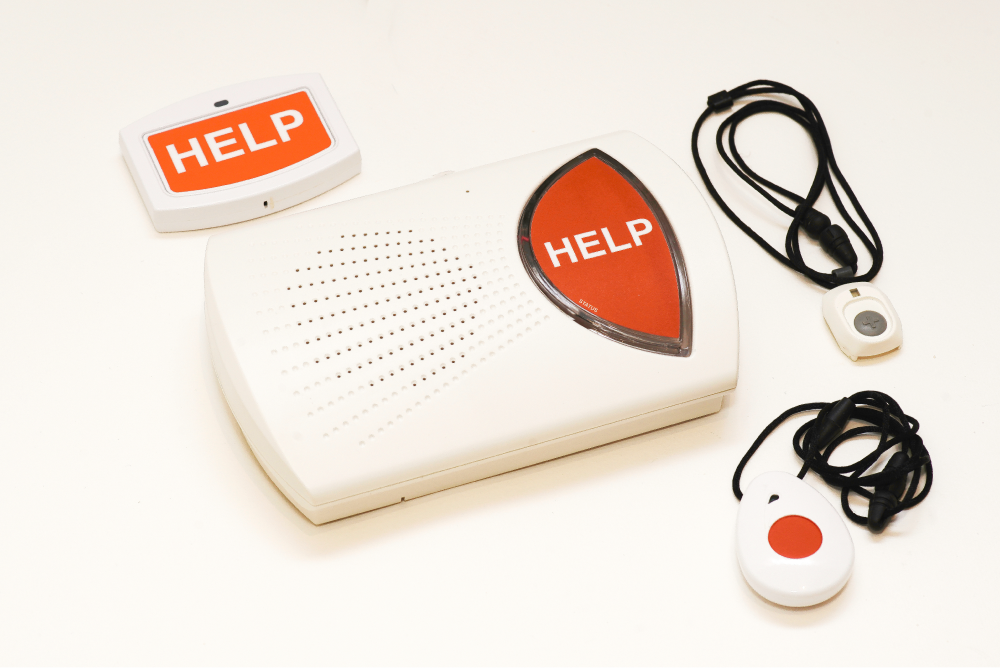
Medical alert systems, otherwise known as personal emergency response systems (PERS), are a lifeline for many seniors, as well as their caregivers and loved ones. They typically require one-time setup and monthly fees, but with the right healthcare coverage, affordability is possible.
As of 2022, 98.9% of seniors rely on either Original Medicare (Medicare Part A and Part B) or Medicare Advantage Plans (Part C)—which don’t necessarily cover medical alert systems. However, many low-income or disabled seniors can instead take advantage of Medicaid. There are many Medicaid waivers and assistance programs that will help cover the cost of the best medical alert systems for seniors in need.If you’re a senior who qualifies, or think you might qualify for Medicaid enrollment, read on to learn more about how to cover equipment costs and monthly monitoring fees. That way, you can have peace of mind during medical emergencies.
What is Medicaid?
Medicaid is a combined state and federal healthcare program that helps Americans with limited incomes or disabilities cover the cost of care services and medical equipment—often including medical alert systems. Every state has unique Medicaid programs that vary in their eligibility requirements, coverage options, and access to healthcare providers.
Do I Qualify For Medicaid Coverage?
Just as income and the cost of living vary by state, so too does Medicaid eligibility. Each state program sets its own limits, asset requirements, and medical criteria. Often, these eligibility requirements are based on a combination of federal poverty level (FPL) guidelines and functional need assessments.
Generally speaking, seniors qualify if they’re 65 or older, have limited income and financial resources, or meet certain disability or medical need requirements. For example, those who need assistance with in-home or on-the-go activities—such as bathing, dressing, or mobility—are more likely to qualify for Medicaid waivers and other services.
Not sure if you qualify? Check your state’s Medicaid website or visit your local Area Agencies on Aging (AAA) for more information.
What Types of Medical Alert Systems and Monitoring Services Are Covered?
If you qualify, Medicaid can help you cover most medical alert systems and monitoring services, including automatic fall detection and GPS tracking. Commonly covered devices include:
- In-home medical alert systems (landline or cellular)
- Wearable medical alert devices
- Monitored medical alert systems
Unmonitored systems often don’t have monthly fees, but are generally not covered by any form of insurance or government assistance. Certain brands, like Life Alert, are also typically not covered by Medicaid.
Examples of Medicaid Programs That Cover Medical Alert Systems
If you have Medicaid coverage, there are several programs you can take advantage of to help cover the cost of a medical alert system. These programs can help with both equipment fees and monthly expenses, depending on the state.
Home and Community-Based Services (HCBS) Waivers
HCBS waivers can help seniors pay for medical alert systems in most states, as they’re designed to support older adults who prefer to age in place, rather than move to a nursing home.
Every state has a unique HCBS waiver program that determines which services and equipment are covered. Most include personal emergency response systems (PERS) as part of their home safety benefits. To qualify in your state, you’ll need to meet both the financial and medical need criteria. In other words, you must show that you need a medical alert device to continue living safely at home.
Money Follows the Person (MFP) Programs
MFP eligibility and coverage also vary by state, but in general, these programs are designed to help seniors transition from nursing homes or rehabilitation centers back to their own homes. The goal is to promote independence and safety at home, which is why MFP programs often cover medical alert devices.
Coverage can include installation, training, and monitoring fees—giving seniors and their family members peace of mind once they return home. If you’re transitioning out of long-term care, reach out to a Medicaid case manager to discuss MFP benefits.
Medicaid Consumer Directed Services
Otherwise known as Self-Directed Services, these flexible state programs give seniors more control over their care budgets. For example, you can choose how funds are spent and what services or equipment best meet your needs. This can include alert systems that notify responders during a medical emergency.
Please note that the amount and type of funding available are determined by each state’s Medicaid program and by individual care plans.
Medicaid Personal Care Attendant (PCA) Programs
While these programs primarily cover caregiver services—including daily living support for seniors that need help bathing, dressing, or moving around—they can also provide partial or full coverage for medical alert systems. For instance, some states will allow you to use a portion of your care coverage to pay for a system that improves safety and reduces your reliance on in-person attendants.
Medicaid Programs for PERS: State-by-State
Other Ways To Get Financial Assistance for Medical Alert Systems
Whether you don’t qualify for Medicaid or prefer your current health insurance plan, there are several ways you can get financial assistance for medical alert systems. These include:
- Medicare Advantage plans require deductibles and copays, but can help you qualify for medical alert system reimbursements and price cuts.
- The Department of Veterans Affairs (VA) offers specific waivers and grants, such as Veterans Directed Home and Community-Based Services (VD-HCBS) waivers, that help qualified senior veterans pay for systems.
- Private insurance companies, including long-term care insurance, can help seniors cover medical alert systems, but costs and coverage vary by person and region.
- Nonprofits and Charities, such as Lions Clubs or local senior centers, can either help you pay for medical alert systems in full or provide access to donated or discounted systems.
- Health Savings Accounts (HSA) are tax-advantage savings accounts seniors can use to withdraw pre-tax funds for medical alert systems—so long as the system is recommended by your healthcare provider.
- Flexible Spending Accounts (FSA) work similarly to HSAs, with some plans allowing you to cover the cost of a medical alert device.
- Manufacturer Payment Plans are loans with monthly fees you can set up with medical alert companies, but be wary of high-interest or lengthy terms.
The Bottom Line on Medicaid Coverage for Medical Alert Systems
Many low-income and disabled seniors who need a medical alert device can get financial assistance through Medicaid, but overall coverage varies by state. To find the most effective program for your situation, we recommend browsing your state’s Medicaid website to learn about different waivers and initiatives.
Frequently Asked Questions
Most state Medicaid programs will cover the cost of medical alert devices for seniors who qualify, but you’ll need to apply to the specific waiver or program that matches your needs.
Most people over 65 qualify for Medicaid, but you may also qualify if you have a limited income or need help with daily living activities. Remember that eligibility requirements vary by state, so it’s important to research your specific region.
No, Original Medicare (Parts A and B) does not typically cover medical alert systems. However, some Medicare Advantage Plans might if you can provide a doctor’s note of medical necessity.
There are several ways to get a free medical alert device, including VA programs, HSA accounts, and nonprofits. We recommend reaching out to your local Area Agencies on Aging (AAA) to learn more.
Medical alert systems cost an average of $37 per month without insurance, depending on the type and must-have features.
Help us improve our cost data! Email your latest medical alert system quote to [email protected]. Rest assured, your personal details will remain completely confidential.