
Retirement Living takes an unbiased approach to our reviews. We may earn money when you click a partner link. Learn More
Best Medical Alert Systems for Hearing Impaired Users of 2026
Best medical alert systems for hearing impaired seniors with emergency response and automatic fall detection.



Updated:
Our top picks for the best medical alert systems for hearing impaired seniors are Medical Guardian, Lively, and Personal Living Alert, among others in the list. We reviewed and tested each medical alert system on caregiver alerts, emergency support, average response times, and fall detection.
In this article, we’ll discuss the best medical alert systems for hearing impaired users to help you choose the right one for you or your loved ones.
For more options, you can also read our best medical alert systems review.
4.7
Medical Guardian’s tagline, “Life Without Limits,” shows its mission. The company aims to help customers live independently. Medical Guardian provides five in-home or mobile systems. They also have a medical alert smartwatch and the Mini Guardian wearable alert button.
- Great variety
- Call chain for caregivers
- Sleek, stylish wearable devices

4.5
Lively works on Apple Watches, Amazon Alexa devices, and Jitterbug cell phones. You need an active subscription plan to use it. Their wearable Mobile2 button is a waterproof medical alert system with enhanced GPS, and fall detection. It is FSA, HSA, and HRA eligible.
- Great for tech-savvy seniors
- Nurse on-call
- Compatible with Alexa and Apple Watch

Personal Living Alert features medical alert products designed to provide peace of mind in the home and when you’re on the go. The company sells medical alert devices made in the U.S. with affordable access to 24/7 emergency help. Personal Living Alert’s monitoring center is based in America, providing services in dozens of languages.
- Great in-home range
- Flexible prices
- 2,000-square-foot range
Bay Alarm Medical is a medical alert system that offers 24/7 monitoring and trained professionals to assist in urgent times of need. Bay Alarm Medical has been protecting its clients for almost 70 years.
- Great customer service
- Vial of Life included with purchase
- Free spouse monitoring

4.4
LifeFone offers many consumer-friendly benefits, like the Subscriber Price Guarantee. LifeFone has medical alert systems for home and on-the-go use. Cancel any time and only pay for the time you’ve used.
- Great for daily peace of mind
- Price lock-in guarantee
- Large range of discreet wearables
Comparison Table: Best Medical Alert Systems for Hearing Impaired Seniors
| Brand | Device Type | Starting Cost | Response Time | Battery Life | In-Home Range |
|---|---|---|---|---|---|
| Medical Guardian | In-home, bracelet, necklace, smartwatch | $27.95/mo | 25 seconds | Up to 5 days | Up to 1,400 ft |
| Lively | Pendant, flip phone, and smartphone | $24.99/mo | 15 – 20 seconds | Up to 40 hours | N/A |
| Personal Living Alert | In-home, bracelet, necklace, smartwatch | $11.90/mo | 18 seconds | Up to 5 days | Up to 2,000 sq ft |
| Bay Alarm Medical | In-home, pendant, and smartwatch | $27.95/mo | 10 seconds | 2 – 5 years | Up to 1,000 ft |
| LifeFone | In-home, bracelet, necklace, smartwatch | $24.95/mo | 15 seconds | 24 hours – 10 days | Up to 1,300 ft |
How We Chose the Best Medical Alert Systems for Hearing Impaired Users
We reviewed and tested the top 10 medical alert systems to see which ones are built for seniors with hearing impairment. We also looked at user reviews and talked to aging-in-place experts for credibility.
We considered the following factors when ranking the best medical alert systems for hearing impaired users:
- Equipment quality
- Range and connectivity
- Operator expertise
- Loud speakers
- GPS tracking
- Response times
- Fall detection
- Battery life
- Customer service
- Caregiver alerts
Medical Alert Systems for Hearing Impaired Users Reviews
Medical Guardian Review
Great variety
|
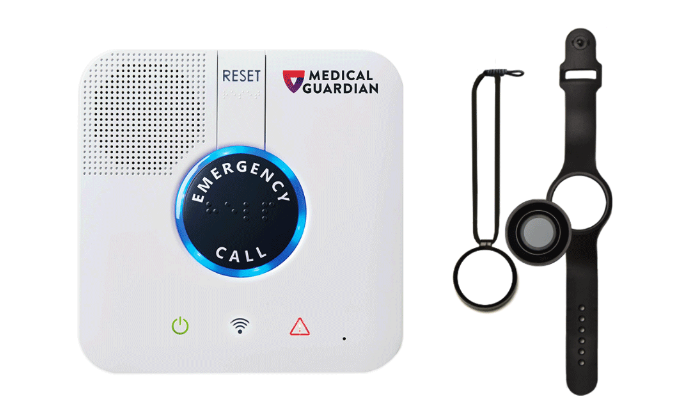
Medical Guardian is a U.S.-based medical alert provider that offers five system options for at-home and mobile use. These include home landline, home cellular, and three mobile/wearable choices.
Key Features for Hearing Impaired Users
- 24/7 U.S.-based monitoring center with trained operators
- Keeps medical records for tailored emergency response
- 1,400 ft in-home range
- Up to 5 days of battery backup
- LTE 4G, WiFi, and Bluetooth connectivity
- One-button devices connect to emergency responders
- MyGuardian portal/app provides real-time emergency alerts
- GPS location updates for caregivers
- Call chain setup for automated alerts
- Built-in text messaging feature on the MyGuardian portal
- Step counting, medication reminders, and weather updates
- Automatic fall detection
Pros & Cons
Pros
- Transparent pricing plans
- Wide product options
- Lifetime warranty
- No long-term contracts
- Free spouse monitoring in some systems
Cons
- Doesn’t include a trial period
- Expensive for many users
Pricing
Medical Guardian medical alert system offers monthly pricing plans, starting at $27.95, depending on the device and features.
Who It’s Best For
Medical Guardian medical alert systems are best for seniors who are tech-savvy and have many family members. This allows seniors to live independently and gives caregivers peace of mind.
To learn more, read our full Medical Guardian review.
Lively Review
Great for senior-specific plans
|
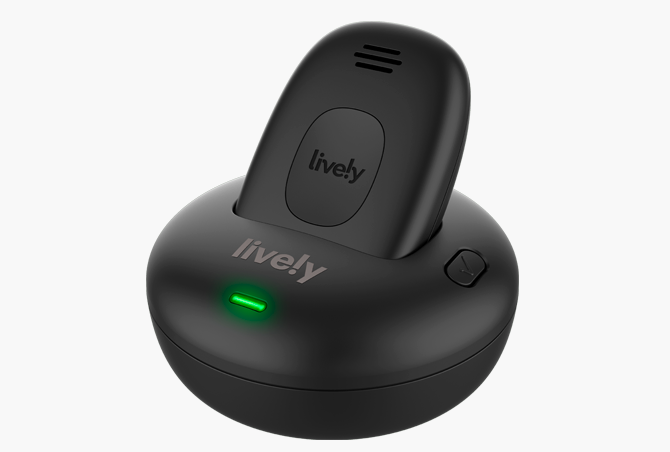
Lively medical alert system offers easy-to-use medical alert devices and smartphones for seniors. Its product lineup includes Jitterbug Flip2, Jitterbug Smart4 cellphones, Lively medical alert device, and Lively Mobile2 Alert.
The Jitterbug phones let users adjust volume, use speakerphones, and use a built-in microphone for clearer communication with response agents.
Key Features for Hearing Impaired Users
- 24/7 access to Urgent Response agents
- One-button help call connects within seconds
- Loud, clear two-way speaker on the device
- Built-in GPS location tracking
- Water-resistant for shower use
- Multiple wearing options (lanyard, belt clip)
- Charging dock included for easier charging
- Lively Link caregiver app
- Automatic fall detection
- Verizon cellular network included
Pros & Cons
Pros
- U.S.-based call center support
- Affordable pricing plans
- Includes Nurse On-Call and Care Advocate services
Cons
- Shorter battery life
- The speaker may not be loud enough in noisy environments
- Lively Mobile Plus includes a nightly charge
Pricing
Lively medical alert system offers two pricing plans. The Basic Plan starts at $24.99 per month, and the Premium Plan starts at $34.99 per month.
Who It’s Best For
Lively is best for seniors who travel or go out more often, but have a serious health condition. The medical alert system offers optional healthcare services that give you or your loved ones peace of mind.
For more information, read our full Lively review.
Personal Living Alert Review
Great in-home range
|
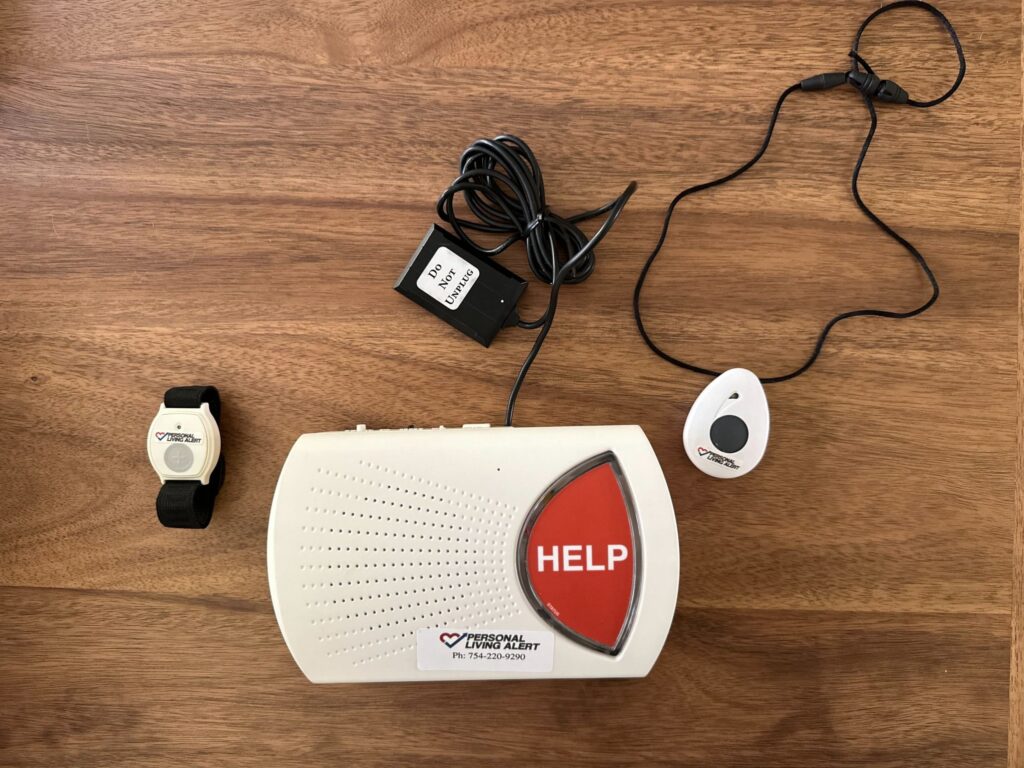
Personal Living Alert is a U.S.-based medical alert provider offering affordable in-home, mobile, and smartwatch options. The alert systems are designed for simple setup and nationwide coverage without requiring a landline.
Key Features for Hearing Impaired Users
- 24/7 emergency assistance from trained U.S.-based agents
- Up to 2,000 sq ft in-home range
- Up to 5 days of backup battery
- Waterproof wearables for shower use
- Automatic fall detection
- Anti-wandering service for dementia seniors
- Two-way speaker on the in-home base unit
- GPS tracking
- Verizon network support
- Smartwatch health tools
Pros & Cons
Pros
- Affordable pricing
- Hospital-grade in-home equipment
- Free lockbox with annual subscriptions
- Optional caregiver safety accessories
Cons
- Basic design for wearable devices
- Protection plans include additional costs
Pricing
Personal Living Alert medical systems pricing plans start at $22.90 and go up to $55 per month. You also need to pay the activation fee for wearable devices.
Who It’s Best For
Personal Living Alert is best for hearing impaired seniors who want simple in-home medical systems. It’s also great for seniors who suffer from dementia, as the company also offers an anti-wandering service for safety and fall detection to prevent the risk of falling.
For more information, read our full Personal Living Alert review.
Bay Alarm Medical Review
Great customer service
|
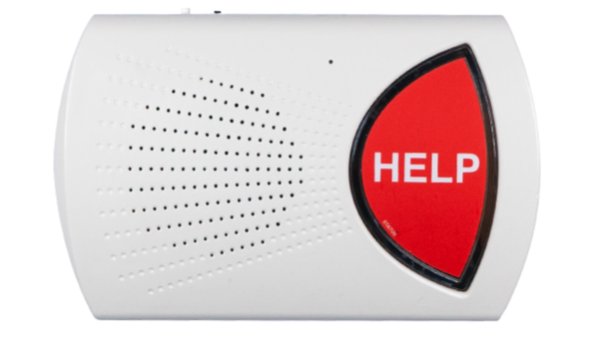
Bay Alarm Medical is a medical alert provider that offers four medical alert systems, including mobile devices and a basic in-home unit. Each device has an emergency button that directly connects seniors to the U.S.-based, CSAA Five Diamond–certified call centers.
Key Features for Hearing Impaired Users
- 24/7 emergency assistance
- Mobile GPS-enabled alert devices
- Automatic fall detection
- Verizon and AT&T network connection
- Vial of Life for emergency services
- Waterproof pendants and wristbands
- Built-in speaker and microphone
- Emergency verification to reduce false alarms
- Caregiver notifications and alerts
- Weekly silent system testing
Pros & Cons
Pros
- Free monitoring for spouses and loved ones
- Supports 170 languages
- Provides coverage across 50 states
Cons
- Shorter in-home range
- Limited product options
- The equipment fee is expensive
Pricing
Bay Alarm Medical offers monthly pricing plans with no long-term contracts. The In-Home system starts at $27.95 per month, while the SOS Smartwatch can cost around $64.95. You also need to pay a one-time equipment fee for devices.
Who It’s Best For
Bay Alarm Medical is best for hearing impaired seniors who need medical emergency services and have many caregivers.
It’s also great for older adults who like stylish jewelry. Bay Alarm Medical’s Bella Buttons and Bella Bands provide a variety of colors and styles to customize wearables.
For more information, read our full Bay Alarm Medical review.
LifeFone Review
Great for daily peace of mind
|
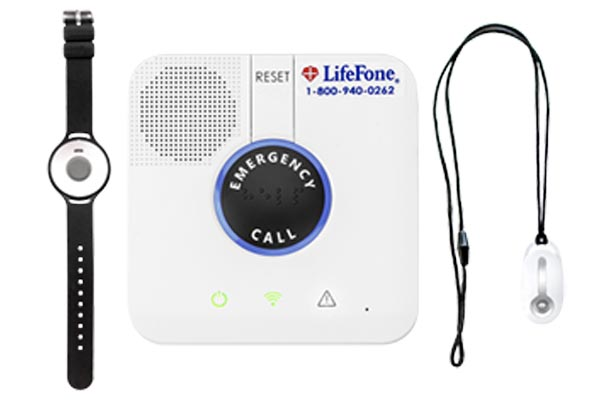
LifeFone medical alert system is known for providing reliable services for seniors who are hard of hearing. It offers a New York call center and additional U.S.-based backup monitoring centers.
LifeFone provides medical alert home and mobile systems with 24/7 monitoring, with additional perks like free spouse coverage and a price guarantee on a lifetime subscription.
Key Features for Hearing Impaired Users
- Mobile GPS tracking
- 1,300 ft in-home range
- AT&T 4G LTE cellular network
- Two-way communication with a 600 ft range
- Waterproof wristbands and necklaces
- Automatic fall detection
- Lockbox option for faster home access
- Temperature sensors on the at-home base unit
- Caregiver mobile app
Pros & Cons
Pros
- Wide range of wearables
- Lifetime price lock-in
- Free shipping
Cons
- Shorter battery life
- Some devices don’t offer GPS
Pricing
LifeFone’s monthly pricing plans start at $24.95 for an annual in-home landline plan. You may also need to pay $8 per month for the Caregiver Mobile App and $10 for the LifeFone protection plan.
Who It’s Best For
LifeFone is best for seniors who need a simpler medical alert system with flexible pricing plans. The company offers both on-the-go and in-home protection with caregiver alerts, giving loved ones peace of mind.
For more information, read our full LifeFone review.
Do Hearing Aids Work With Medical Alert Systems for the Elderly?
ReMedical alert systems don’t directly connect to hearing aids, and most providers don’t guarantee compatibility. Some users may hear operators clearly if the device has a loud, adjustable speaker, but this varies by individual hearing aid settings and hearing loss level.
Make sure to test how the medical alert system works with your hearing aids before you buy it.
How to Choose the Best Medical Alert Systems for Hearing Impaired Users
Choosing the best medical alert system for hearing impaired seniors depends on hearing level, features, and coverage.
Here’s what you need to look for in a medical alert for hearing impaired users:
Visual Alerts
Most medical alert systems make a noise to indicate when the alert is activated. But seniors with hearing impairment might not hear this sound clearly, so it’s important to look for systems or devices that include visual or haptic alerts.
Volume Controls and Microphone
Choose a medical alert device with an adjustable speaker volume so users can hear operators better. Also check for speakerphone support on any paired phone or smartwatch. This helps users adjust volume based on the degree of hearing loss.
The medical alert system should also include a sensitive microphone and a loudspeaker for clearer communication.
Fall Detection
Around 1 in 4 older adults aged above 65 suffer from a fall every year, leading to serious injuries. A medical alert system with fall detection can automatically place an emergency call if the senior can’t speak, move, or press the button.
Emergency Services
Make sure the medical alert system offers 24/7 monitoring with professionally trained operators who know how to handle situations when the user can’t communicate.
It should also contact medical emergency services during serious cases and notify your emergency contacts.
In-Home Range
Check stated coverage (square footage or feet from base) and test in key areas like bathrooms and the backyard. This helps seniors get immediate medical assistance.
Caregiver App
The medical alert system should offer a caregiver app that sends real-time notifications and shows alert history and location for mobile devices. This helps families stay informed if the user can’t hear alerts.
Frequently Asked Questions about Medical Alert Systems for Hearing Impaired Users
Medical alert systems cost around $37 per month on average as of 2025, with most plans ranging from $25 to $50 per month depending on the device type and features.
In-home systems can cost $20–$40 per month, while mobile (cellular) systems average $30–$50/month. You may also need to pay for add-ons like fall detection for $5–$10/month. Some providers may charge one-time fees for equipment, activation, or setup.
Medicare doesn’t generally cover medical alert systems. Some Medicare Advantage (Part C) plans may offer benefits or discounts for safety devices, but coverage varies widely by plan and state.
The most vital alert for hearing impaired users is the one that doesn’t rely on sound alone. It should use visual cues, vibrations, or flashing lights, so the user can recognize an emergency or confirmation if they can’t hear a tone or voice.
Concluding Thoughts on Medical Alert Systems for Hearing Impaired Users
Many older adults aged 65+ suffer from some level of hearing loss. Medical alert systems offer reliable connectivity, easy-to-use help buttons, a caregiver monitoring app, fall detection, and clear two-way communication so seniors can get help quickly.
This gives caregivers and family members peace of mind, while seniors can live alone independently.