
Retirement Living takes an unbiased approach to our reviews. We may earn money when you click a partner link. Learn More
Best Mobile Medical Alert Systems
We compared costs, coverage, features, and more to find the best mobile medical alert systems that don’t require a landline.


Updated:
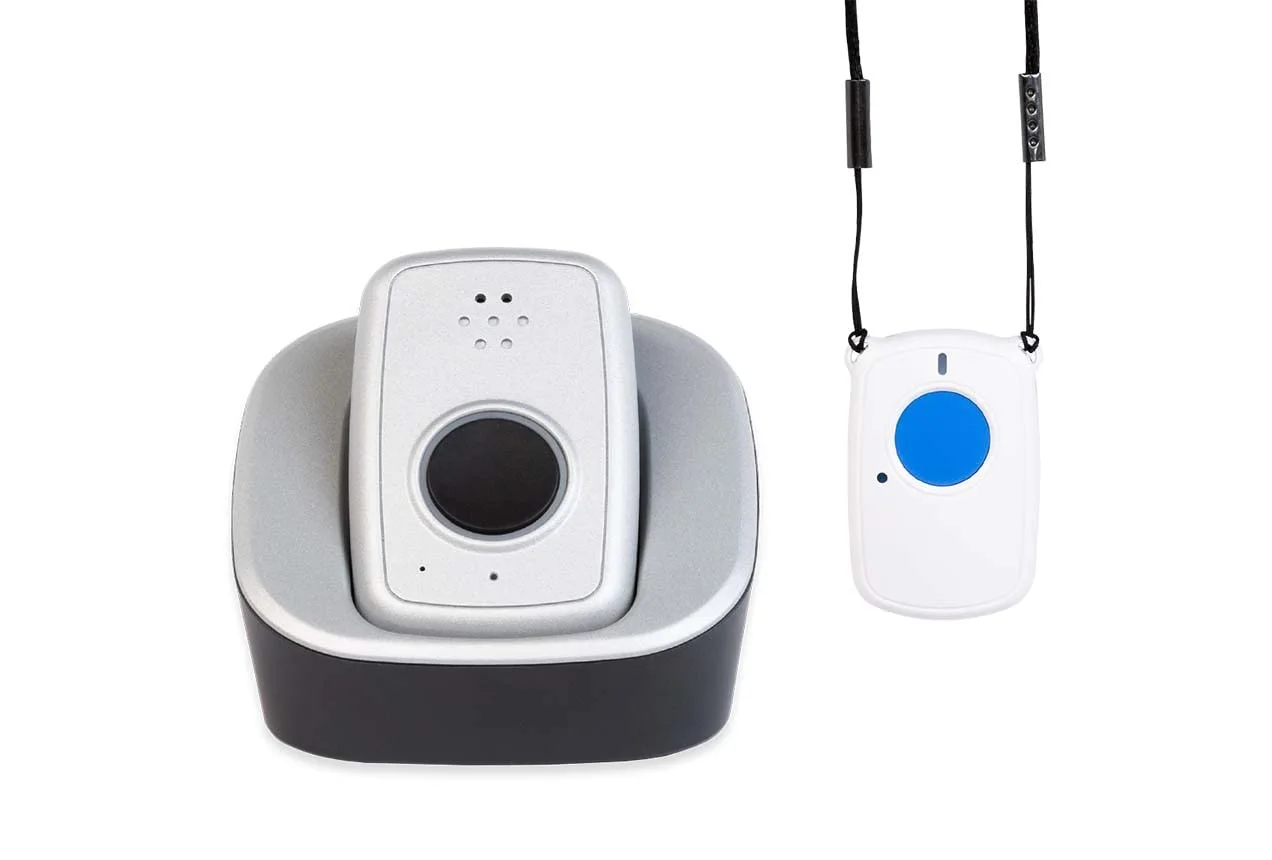
Our top picks for the best mobile medical alert systems include Medical Guardian, Personal Living Alert, ADT, Lively, and Medical Care Alert. Each of these companies offers dependable on-the-go protection for older adults who want safety beyond the walls of their home.
4.7
Medical Guardian’s tagline, “Life Without Limits,” shows its mission. The company aims to help customers live independently. Medical Guardian provides five in-home or mobile systems. They also have a medical alert smartwatch and the Mini Guardian wearable alert button.
- Great variety
- Call chain for caregivers
- Sleek, stylish wearable devices

Personal Living Alert features medical alert products designed to provide peace of mind in the home and when you’re on the go. The company sells medical alert devices made in the U.S. with affordable access to 24/7 emergency help. Personal Living Alert’s monitoring center is based in America, providing services in dozens of languages.
- Great in-home range
- Flexible prices
- 2,000-square-foot range
ADT’s Medical Alert and On-the-Go systems are in-home and portable medical alert systems that cost around $1 per day. Your bill will never increase unless you upgrade medical alert services with ADT’s ForeveRate™ guarantee.
- Great plans
- Home temperature monitoring
- Fixed-rate service

4.5
Lively works on Apple Watches, Amazon Alexa devices, and Jitterbug cell phones. You need an active subscription plan to use it. Their wearable Mobile2 button is a waterproof medical alert system with enhanced GPS, and fall detection. It is FSA, HSA, and HRA eligible.
- Great for tech-savvy seniors
- Nurse on-call
- Compatible with Alexa and Apple Watch
Medical Care Alert is a Michigan-based company. They provide personal medical alert systems and monitoring services. No matter where you are—at home, in the yard, running errands, or traveling—Medical Care Alert has a system to help you when you need it. The pendant and wristband emergency buttons are waterproof for continuous everyday use.
- Great fast response
- Certified responders
- No equipment charges
How We Chose the Best Mobile Medical Alert Systems
Retirement Living tested and compared 10 leading medical alert systems, focusing on mobile devices that keep older adults protected wherever they go. These systems are designed to help seniors stay safe outside the home while giving families confidence that help is always available.
We evaluated each brand, online reviews, and consulted aging-in-place specialists to assess real-world performance and customer satisfaction. Our team paid close attention to the factors that matter most in a mobile medical alert system, including:
- Device portability and equipment quality
- Cellular coverage, GPS accuracy, and connectivity reliability
- Battery life and ease of charging
- Optional safety features
- Response times and monitoring center performance
Mobile Medical Alert System Reviews
In our review of the best mobile medical alert systems, we found that Medical Guardian, Personal Living Alert, ADT, Lively, and Medical Care Alert stand out for their reliability, nationwide coverage, and ease of use. Each brand offers a slightly different approach to mobile safety—ranging from compact wearable devices to smartwatches with built-in GPS tracking and two-way communication. All get the job done, giving you the confidence to stay active and independent, knowing that help is just a button push away.
Medical Guardian Review
Great variety
|
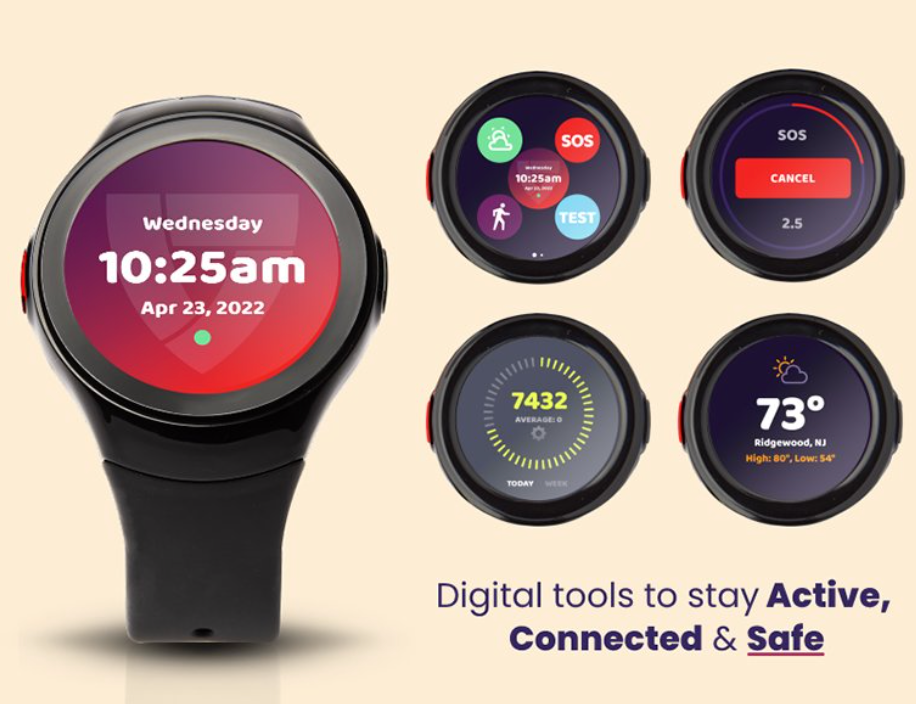
Medical Guardian offers one of the most comprehensive selections of mobile medical alert systems for older adults who want reliable protection on the go. The company’s mobile models, including the MGMove, MGMini, and Mini Lite, are built for active users who don’t want to be limited to home-based systems.
Each device connects through nationwide cellular networks—primarily AT&T—and includes GPS technology, two-way speaker communication, and optional fall detection. They are also highly water-resistant, so that you can wear them in the shower.
Medical Guardian’s mobile devices cost $37.95 to $39.95 per month when you select an annual payment plan. Equipment fees depend on the system selected. Optional add-ons, like automatic fall detection, add roughly $10 per month. There are no long-term contracts, and you can choose to pay monthly, quarterly, or annually, with annual plans offering the deepest discount.
Key features of Medical Guardian’s mobile offerings include:
- Nationwide cellular coverage through the AT&T network
- GPS location tracking for accurate emergency response
- Battery life of 36 hours to 5 days, depending on the model
- Water-resistant wearable options, including pendants and wristbands
- OmniSIM technology (on select models) for stronger multi-network coverage
To learn more, read our full Medical Guardian review.
Personal Living Alert Review
Great in-home range
|
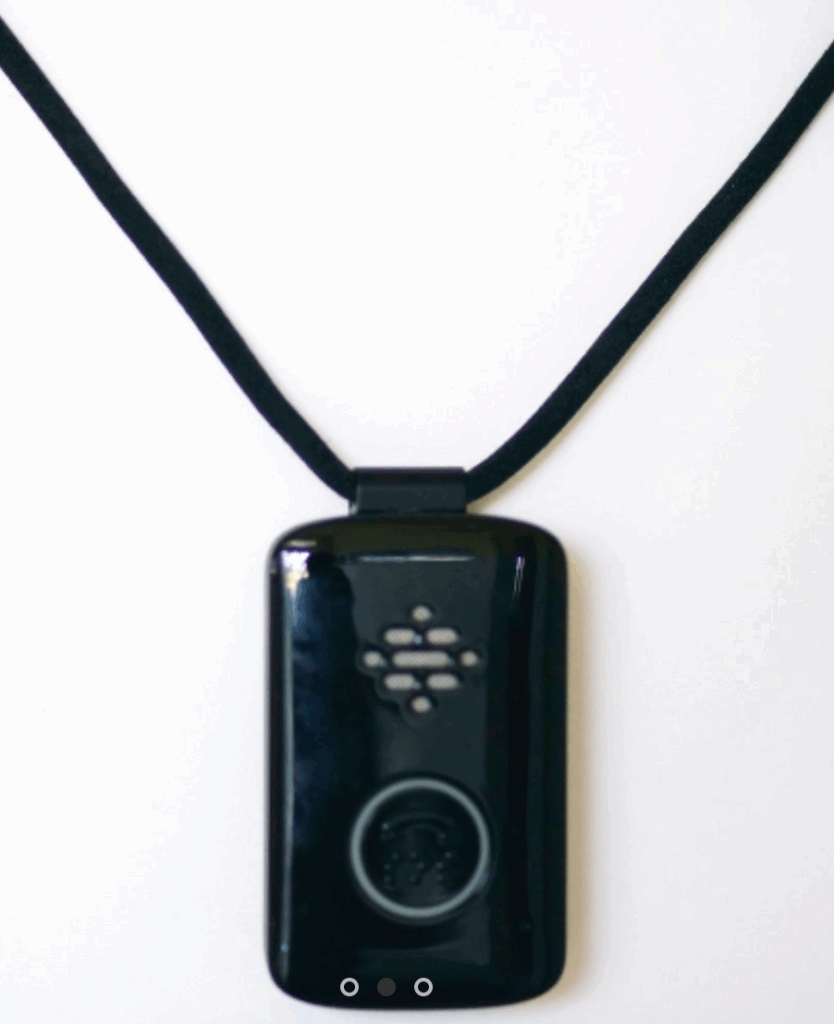
Personal Living Alert offers a single mobile medical alert device designed for seniors who want protection beyond their home. Its mobile model, the Belle+ LTE, operates on a cellular network, so you’re not tied to a landline when you need help. The company emphasizes reliability and ease of use, making it a good fit for active older adults and caregivers who want simple, effective protection on the go.
Pricing for Personal Living Alert’s mobile Belle+ LTE system is $39.99 per month, with no required equipment fee listed and no landline needed. You can also choose quarterly or annual billing, with the annual plan offering a lower monthly cost.
Key mobile features of Personal Living Alert’s system include:
- Nationwide cellular connectivity without the need for a landline
- GPS-enabled location tracking for accurate emergency response
- Battery life of up to 5 days per single charge
- Caregiver monitoring tools are optional for added support
To learn more, read our full Personal Living Alert review.
ADT Medical Alert Review
Great plans
|
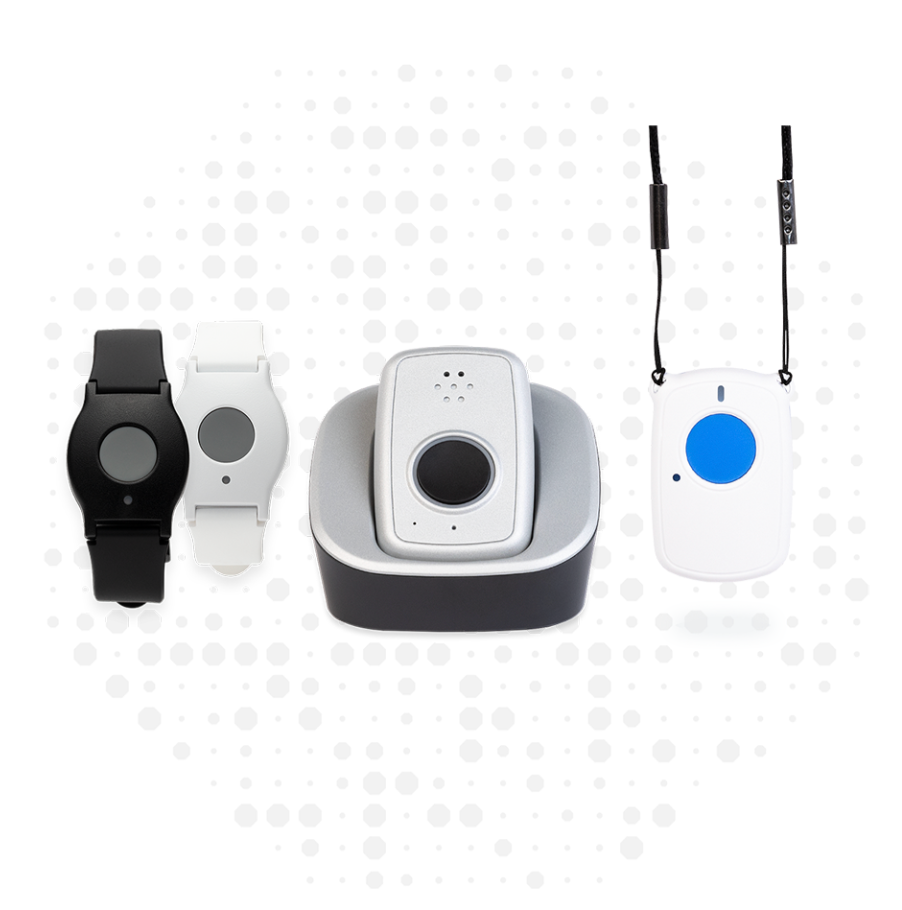
ADT’s mobile offering, the On-The-Go system, is designed for people who want protection beyond their home. The plan uses a mobile base unit with built-in cellular service and GPS, so you don’t need a landline to stay connected to help. You can choose between different color wristbands and a pendant.
Pricing for ADT’s mobile On-The-Go package starts at $41.99 per month for the monitoring service, plus a one-time activation fee. Add-ons like automatic fall detection require an extra monthly charge. The system requires a month-to-month subscription and uses cellular/GPS technology for on-the-go coverage.
Key mobile features of ADT’s On-The-Go system include:
- Water-resistant mobile base unit; waterproof wristband/pendant that works in the shower
- Battery life up to 40 hours on a full charge
- Automatic fall detection is an optional add-on
- Month-to-month monitoring is available, with no long-term contract required
To learn more, read our full ADT Medical Alert review.
Lively Review
Great for tech-savvy seniors
|
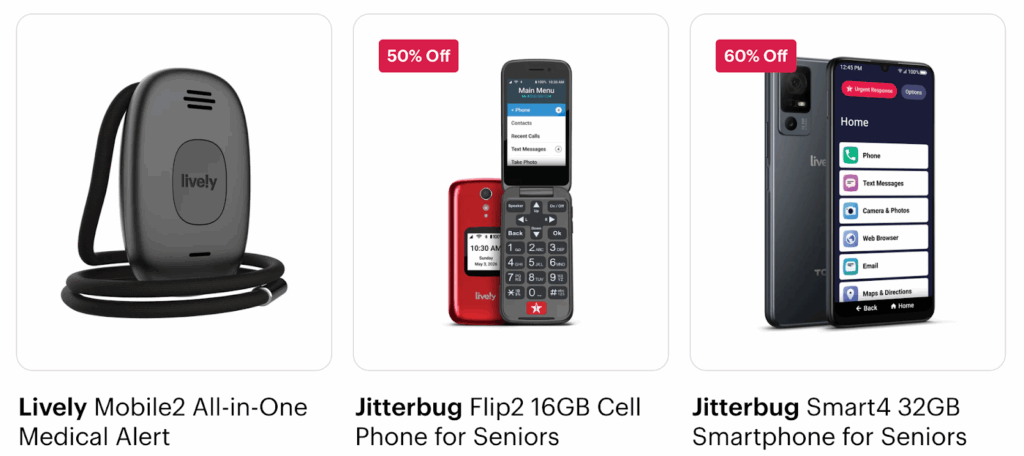
Lively offers a mobile medical alert system built for older adults who want protection whether they’re at home or on the go. Lively only sells cellular systems. The Lively Mobile2 All-in-One Medical Alert is a purely medical alert device. The Jitterbug Flip2 and Jitterbug Smart4 are mobile phones that also serve as medical alert systems for active seniors.
Lively’s Mobile2 medical alert system costs $79.99 for the device, then starts at $24.99 per month for basic service. You can choose from different monthly plans that add features such as fall detection, Urgent Care access, or caregiver app support. There are no long-term contracts, and cancellation is allowed at any time.
Key Mobile2 features of Lively’s include:weekends, with just a button press.
- Nationwide cellular coverage from Verizon at no additional charge
- GPS tracking so that help can reach you no matter where you are
- Automatic fall detection as an add-on service
- Water-resistant design
- Battery life of up to around 40 hours on a single charge
If you live an active lifestyle and want a mobile medical alert system that doesn’t restrict you to the home, Lively’s mobile solution is a strong fit. If you prefer a mobile phone as a medical alert device, Lively is your best option.
To learn more, read our full Lively review.
Medical Care Alert Review
Great fast response
|
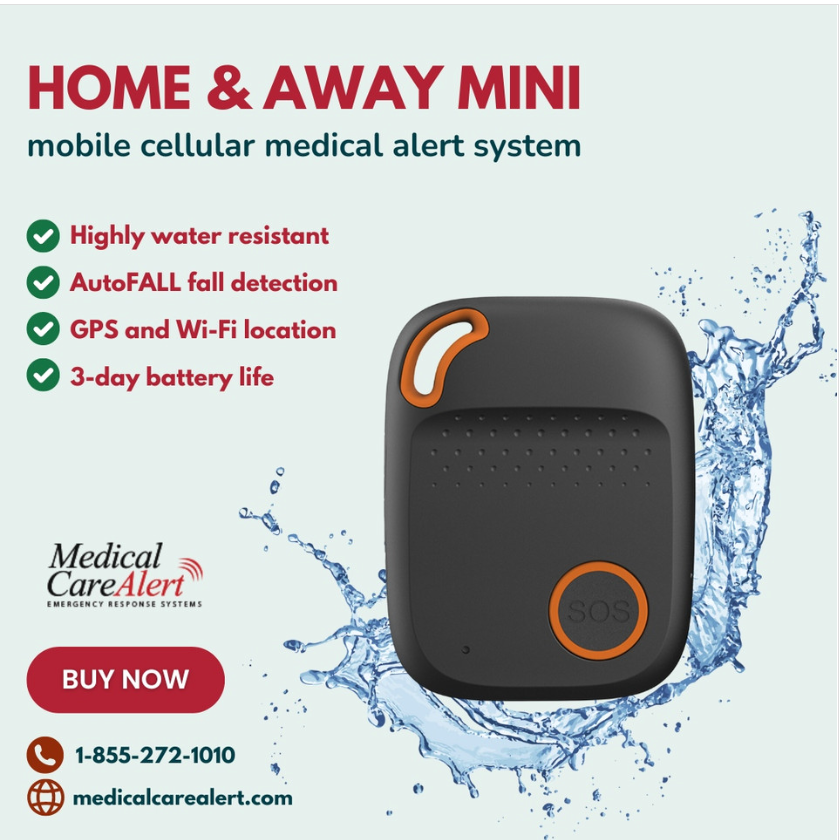
With its HOME & AWAY mobile GPS line and smartwatch medical alert system, Medical Care Alert gives you protection not just at home but wherever you go. The mobile models use built-in cellular service–4G LTE via AT&T and GPS tracking, so you’re covered nationwide, even away from a landline.
Medical Care Alert’s mobile GPS-enabled HOME & AWAY systems start at $39.95 per month for the standard monitoring plan. If you add the automatic fall-detection option, there’s an extra monthly fee. There are no equipment costs, activation fees, or long-term contract commitments. You also get a free lockbox, so EMS can enter your home if you are unable to open the door.
Key mobile features from Medical Care Alert’s system include:
- Cellular connection built-in (4G LTE on AT&T; T-Mobile option on request) — no landline required
- GPS plus WiFi/cellular triangulation location tracking, so help knows where you are
- Water-resistant design suitable for the shower or light moisture
- Long battery life for mobile use — up to 3 to 5 days on a single charge
- Automatic fall-detection is optional for increased safety
To learn more, read our full Medical Care Alert review.
What Is a Mobile Medical Alert System?
A mobile medical alert system is a portable emergency alert response device that connects users to help wherever they go. Mobile systems use a cellular connection and GPS technology to work anywhere with cell service—whether at home, on a walk, or traveling. Most are lightweight pendants, wristbands, or belt clips with a single help button that connects to a 24/7 (often U.S.-based) monitoring center.
These personal emergency response systems are especially useful for older adults who live active lifestyles or spend time outside the home. Like all medical alert systems, mobile medical alert systems work when the emergency button is pressed. Trained operators can communicate directly through the device, assess the situation, and dispatch emergency services or notify caregivers as needed.
For seniors, mobile medical alert systems provide the confidence to live independently and stay active, while caregivers gain peace of mind knowing that their loved one can reach assistance at any time, wherever they are.
Mobile Medical Alert System vs. In-Home Medical Alert System
The main difference between mobile and in-home medical alert devices is the coverage each provides. A mobile system travels with the user, connecting through cellular service and GPS location services, allowing the wearer to call for help both at home and on the go. In contrast, an in-home medical alert system works best inside the home and usually relies on a base station connected to a landline.
Like your typical medical alert system, mobile medical alert systems are not covered by Medicare, Medicaid, or insurance. Unlike landline medical alert systems, mobile systems cost slightly more to cover equipment and cellular service.
For active seniors who frequently leave the house, a mobile system offers the flexibility and reassurance that assistance is available wherever cell service is available. By contrast, those who spend most of their time at home may find that an in-home system meets their needs at a lower cost and with a simpler setup.
Pros and Cons of a Mobile Medical Alert System
Mobile medical alert systems are designed for seniors who want to maintain their independence and freedom, rather than being confined to their homes. They enable you to travel and lead an active, social lifestyle while staying connected to emergency assistance. Like any device, cellular medical alert systems come with advantages and a few limitations, depending on your lifestyle and location.
Pros:
- Works anywhere with cellular coverage, providing protection at home and on the go
- Built-in GPS helps responders locate you quickly in an emergency
- Ideal for active seniors who travel, exercise, or spend time outside the home
- Discreet wearable styles
- Water-resistant or waterproof to support daily activities
Cons:
- Requires regular charging and maintenance to ensure the device stays powered
- Typically, higher monthly prices than in-home systems due to cellular and GPS technology
How Cellular Medical Alert Systems Work
Cellular medical alert systems are wearable mobile devices that use the same type of technology as your mobile phone to connect you to help when you press the button. Instead of relying on a landline or home base unit, the device communicates through a built-in cellular connection.
When you press the help button, you’re instantly connected to a trained operator at the response center through two-way voice communication. The operator can talk to you directly through the device, assess your situation, and send emergency first responders or notify a family member or other emergency contact if needed.
Most cellular systems also use GPS location tracking, so if you’re away from home and need help, your exact location can be shared with emergency services. This keeps you protected whether you’re running errands, walking the dog, or visiting friends.
Features of Mobile Medical Alert Systems
Mobile medical alert systems come with several features designed to help you stay safe and connected, no matter where you are. While options vary by brand, most include the essentials that make it easy to get help quickly when needed. Common features include:
- GPS location tracking to help responders find you in an emergency
- Two-way communication so you can speak directly with a monitoring center operator
- Automatic fall detection is an optional add-on that will send an alert if a fall is detected
- Water-resistant design so you can wear it in the shower or outside in light rain
- Long battery life with convenient charging options
- Companion mobile apps that let caregivers or family members track device status or location
These features make it easier for you and your loved ones to feel confident that help is always available—whether you’re at home or on the go.
Frequently Asked Questions about Mobile Medical Alert Systems
No, you don’t need Wi-Fi for a mobile medical alert system to work. Mobile alert devices use a built-in cellular connection—similar to a smartphone—to contact the monitoring center when you press the help button. Some devices may use Wi-Fi in combination with GPS to improve location accuracy or connectivity indoors. As long as there’s reliable cellular coverage in your area, your mobile medical alert system will function properly without Wi-Fi.
When choosing the best mobile medical alert system, consider your lifestyle and needs. Several companies consistently receive high marks for reliability, coverage, and features. Our top picks include Medical Guardian, Lively, and ADT, all of which offer strong on-the-go systems with GPS tracking, extended battery on a single charge, and optional fall detection.
Most leading mobile medical alert systems offer automatic fall detection as an optional add-on feature. All models on our list do. Fall detection uses sensors to identify a potential fall and automatically send an alert to the monitoring center. It’s an important safety feature for anyone at risk of falling.
A regular cell phone can’t fully replace a dedicated mobile medical alert system. While smartphones can be used to call for help, medical alert devices are built specifically for life-saving emergencies. They connect directly to 24/7 monitoring centers and include GPS tracking for responders. Some brands, such as Lively, offer hybrid solutions that combine smartphone features with medical alert capabilities, but a typical cell phone should not be used to replace a medical alert service.
Concluding Thoughts on Mobile Medical Alert Systems
Mobile medical alert systems give older adults the freedom to live independently while staying connected to help wherever they go. Unlike traditional in-home systems, mobile devices are designed for active lifestyles. They combine cellular and GPS technology to provide instant access to trained responders at the push of a button—whether you’re at home, out for a walk, or traveling.
Popular features include location tracking, long battery life, waterproof or water-resistant technology, caregiver notifications, and optional fall detection for an added layer of safety.
Choosing one of our top-rated mobile medical alert systems—Medical Guardian, Personal Living Alert, ADT, Lively, or Medical Care Alert—ensures you’re getting a reliable, easy-to-use option that fits your active lifestyle.