
Could walnuts help protect against dementia?
New research suggests the nut may protect the brain
Updated:

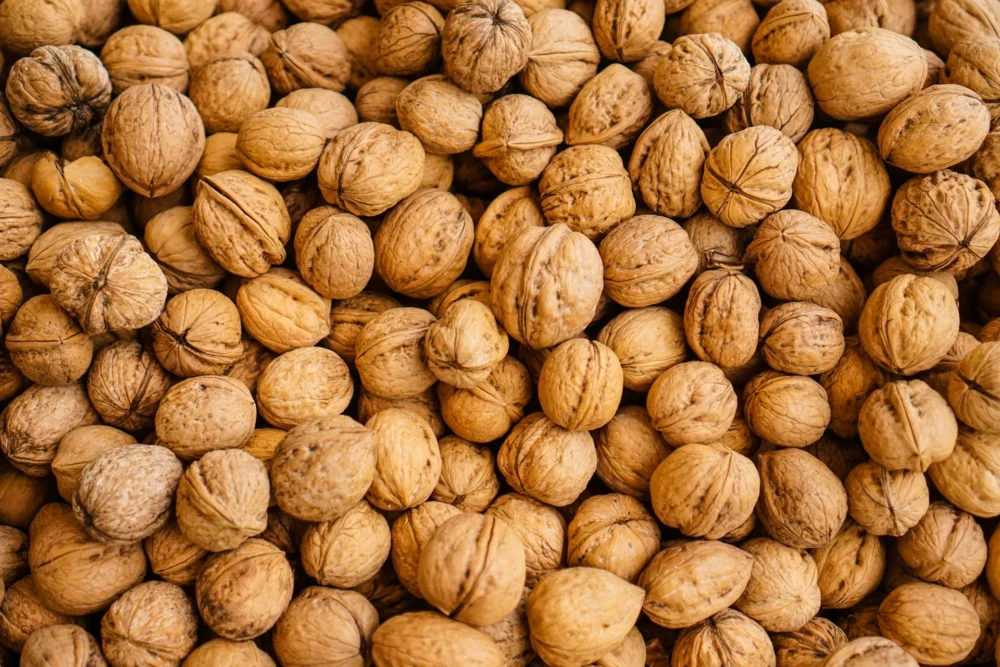
Photo by Tom Hermans on Unsplash
Key Insights
- New research suggests walnuts may help protect the brain from age-related decline.
- Regular walnut consumption has been linked to better memory, focus, and reduced dementia risk.
- Experts say the nuts’ omega-3s, antioxidants, and anti-inflammatory compounds may play a key role.
A growing body of research is pointing to a simple addition to your diet that may help keep your brain sharp as you age: walnuts. Scientists have found that eating walnuts regularly is linked to better memory, improved focus, and potentially a lower risk of dementia.
Dementia, which includes Alzheimer’s disease, affects millions of older adults worldwide and has no cure. Lifestyle choices—such as diet and exercise—are increasingly recognized as important factors in reducing risk.
Walnuts are packed with nutrients that directly benefit the brain. They are rich in omega-3 fatty acids, which are essential for brain health, and contain high levels of antioxidants and anti-inflammatory compounds. These properties are thought to protect brain cells from damage and support healthy communication between neurons.
Some studies suggest that people who eat walnuts regularly perform better on cognitive tests compared to those who don’t. Researchers believe the combination of healthy fats, vitamins, and plant compounds in walnuts may slow the kinds of inflammation and oxidative stress that contribute to dementia.
Easy to add to your diet
The good news? You don’t need a complicated routine to reap the potential benefits. A handful of walnuts—about a quarter cup—a few times a week may be enough to support brain health. They can be eaten on their own, added to salads, stirred into oatmeal, or blended into smoothies.
While the findings are promising, experts stress that walnuts are not a magic bullet. A healthy lifestyle, including balanced nutrition, regular physical activity, good sleep, and social engagement, is still the strongest protection against cognitive decline. Walnuts, however, may be a valuable part of the puzzle.
As research continues, one thing is clear: a small snack of walnuts could be a tasty way to nourish not only your body but also your mind.