
Deaths of older Americans from falls are surging
Health researchers are trying to find the reason
Updated:

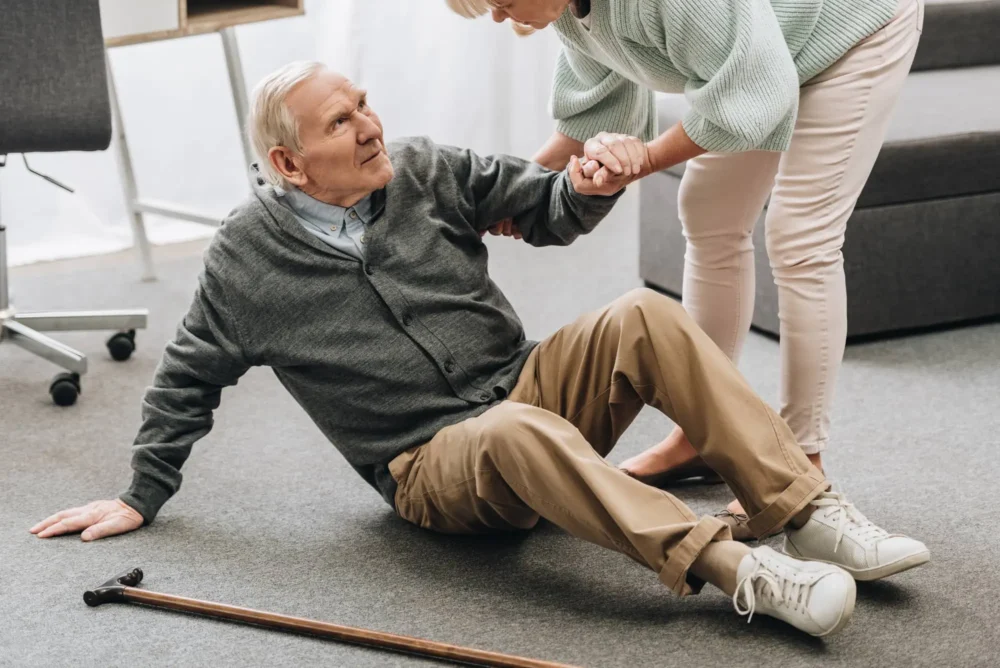
Photo by Better Health While Aging
Key Insights
- Over 41,000 seniors died from falls in 2023, marking falls as the leading cause of injury-related deaths in the older population.
- From 2003 to 2023, death rates rose over 70% for ages 65–74, 75% for ages 75–84, and more than doubled for those 85+.
- Significant geographic and racial disparities exist: Wisconsin reported the highest fall-related death rate in 2023, while white seniors 85+ died at rates two to three times higher than other racial groups.
When older Americans visit their physician for their annual Medicare checkup, they are usually asked about whether they have fallen in the last year and about the presence of things in the home that could trip them.
There’s a very good reason for those questions. Accidental falls are killing more seniors than ever before. According to a recent report from the Centers for Disease Control and Prevention, fall-related deaths among adults 65 and older surged dramatically between 2003 and 2023.
Here are the statistics:
- 65–74 age group: fall death rate climbed over 70%
- 75–84 age group: increase exceeded 75%
- 85+ cohort: rates more than doubled
While falls can result in non-lethal injuries like broken bones, the greatest threat is a head injury. In 2023, the U.S. recorded over 41,000 deaths due to falls in retirement-age adults, a sobering indicator that nearly 1 in 56 deaths among older adults stemmed from these accidents.
Patterns vary significantly across states and demographics:
- Wisconsin reported the nation’s highest fall-death rate—over 158 per 100,000—while Alabama recorded the lowest at around 29.5 per 100,000.
- White seniors aged 85+ experienced fall-death rates 2 to 3 times higher than other racial groups, with white individuals representing 87% of fatalities in this age bracket.
Root causes
While the CDC didn’t pinpoint specific causes, researchers and clinicians identify several contributing factors:
- Longevity and aging in place mean more individuals living into frail senior years.
- Improved medical reporting may be attributing more deaths to falls.
- Medication side effects, vision and hearing loss, balance issues, and chronic diseases may compound risk.
Prevention
Experts suggest several steps to help curb this deadly trend:
- Strength and balance exercises such as tai chi, yoga, or chair stands
- Home modifications: brighter lighting, banisters, grab bars, removal of throw rugs and clutter
- Medication reviews, plus annual vision and hearing checks
- Assistive devices—canes, walkers, nonslip footwear
Occupational therapists or aging-care managers can tailor home safety plans and fall-prevention assessments. Additionally, technology, such as fall-detection sensors or medical alert systems, provides vital backup for at-risk seniors.