
Despite economic uncertainty, today’s retirees are enjoying life
The Transamerica Center for Retirement Studies finds that retirees are living in the moment
Updated:

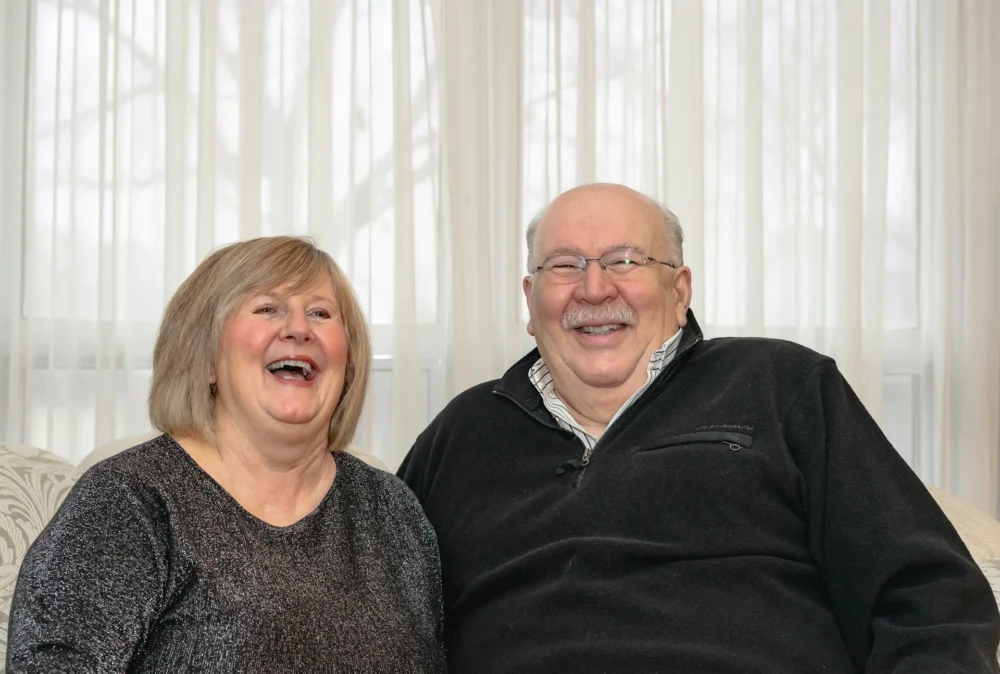
Photo by Chris Thornton on Unsplash
Key Insights
- Four in 10 retirees say their enjoyment of life and happiness have improved since leaving the workforce, according to a new national survey by the Transamerica Center for Retirement Studies.
- While most retirees report a stable standard of living, many face declining health and limited financial confidence, particularly around long-term care.
- More than half of retirees left work earlier than planned, often due to job-related or health-related issues, underscoring the importance of preparation and flexibility in retirement planning.
Retirement brings a mix of freedom, fulfillment, and new challenges, according to a new report released by the nonprofit Transamerica Center for Retirement Studies (TCRS), in collaboration with Transamerica Institute.
The survey, Retirement Realities: The Experience of Retirees, finds that many retirees are enjoying life more than they did while working, even as they grapple with health concerns and financial uncertainty.
About 44% of retirees say their enjoyment of life has improved since retiring, and 41% report higher levels of happiness. Nearly nine in 10 retirees consider themselves generally happy, a finding that reflects what Catherine Collinson, CEO and president of Transamerica Institute and TCRS, describes as a shift in priorities after leaving the workforce.
“Retirees are living in the moment,” Collinson said. “They have a strong sense of purpose, and they are focusing on what matters most.”
Personal well-being and relationships
That focus often centers on personal well-being and relationships. More than two-thirds of retirees cite enjoying life and staying healthy as their top priorities. Many are spending more time with family and friends, traveling, or pursuing hobbies. At the same time, three-quarters say they are concerned about their health as they age, and most report taking proactive steps such as getting routine checkups and seeking medical care when needed.
Despite these positives, retirement is not without its difficulties. Two in three retirees say their standard of living has remained unchanged since retiring, but one-third report a decline in their general health, and more than one-quarter say their financial situation has worsened. Only 27% are very confident they can maintain a comfortable lifestyle throughout retirement.
Financial vulnerability is a recurring theme in the report. Retirees report a median household income of about $63,000, with Social Security serving as the primary income source for more than half. Savings levels vary widely, and one in 10 retirees has no retirement savings at all.
Collinson warns that limited income and savings can leave retirees exposed to rising health care costs, inflation, and unexpected financial shocks.
Health is an overriding concern
Health-related fears loom large, particularly the prospect of needing long-term care. About 41% of retirees cite declining health requiring long-term care as a major concern, yet only 15% are very confident they could afford such care. Nearly half expect to rely on family or friends if they need assistance, while three in 10 have made no plans at all.
The survey also highlights how retirement often arrives sooner than expected. More than half of retirees say they left the workforce earlier than planned, commonly due to employment disruptions or personal health issues. The median retirement age is 62, below Social Security’s full retirement age for most Americans.
Looking back, many retirees say they would have done things differently. While most feel they did what they could to prepare, large numbers wish they had been more knowledgeable about saving and investing, started earlier, or relied more on professional advice.