
Downsizing in 2026? What retirees should know before making that move
Don’t overlook the emotional impact of leaving a longtime home
Updated:

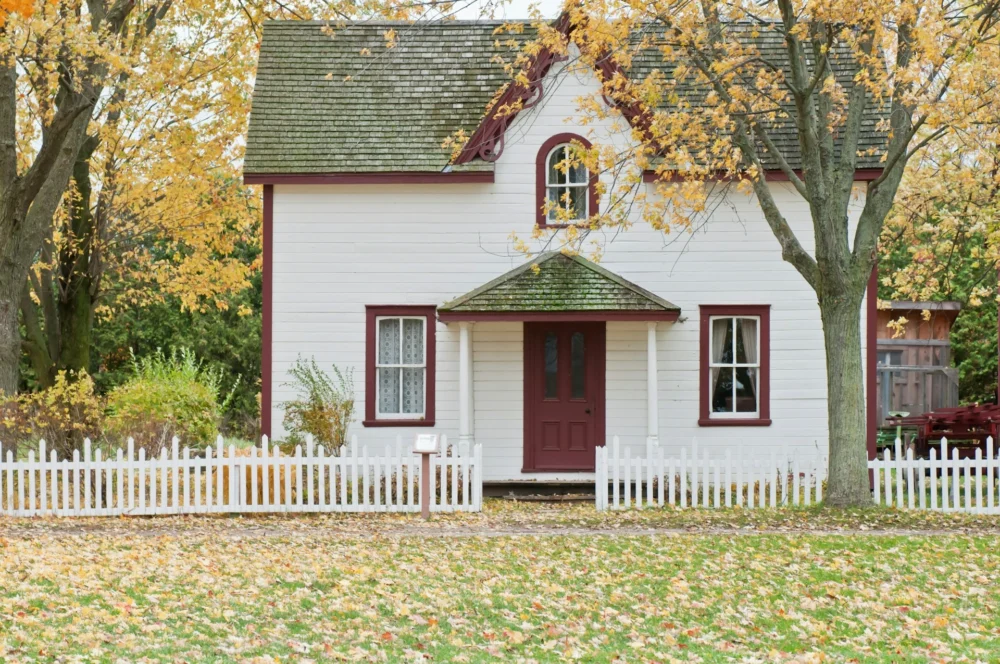
Photo by Scott Webb on Unsplash
Key Insights
- Your finances will change—sometimes in unexpected ways
- Lifestyle and health needs matter as much as square footage
- Emotional ties to a longtime home deserve careful thought
For many retirees, downsizing feels like a natural next step. The kids are grown, rooms sit unused, and maintaining a large home can become expensive and exhausting. Moving to a smaller place can free up money, time, and energy—but only if the decision is made thoughtfully.
Here are the most important factors retirees should consider before downsizing.
1. The true financial impact goes beyond the sale price
Selling a larger home and buying a smaller one often sounds like a guaranteed financial win. In reality, the math can be more complicated.
While a smaller home usually means lower property taxes, insurance, and utility bills, retirees should also factor in Realtor commissions and closing costs; moving expenses and potential renovations; higher homeowners association (HOA) fees in condos or planned communities; and local cost-of-living differences if relocating.
For some retirees, downsizing frees up cash that can strengthen retirement savings or reduce debt. For others, especially in hot housing markets, smaller homes may cost more than expected. A detailed budget comparison is essential before committing.
2. Maintenance relief is a big benefit
One of the strongest arguments for downsizing isn’t financial—it’s practical. Smaller homes typically mean less cleaning and upkeep, fewer repairs and surprise expenses and less physical strain from yard work or home maintenance
This can be especially important as mobility and stamina change with age. Many retirees value the peace of mind that comes from knowing they won’t need to climb ladders, shovel snow, or manage major repairs on their own.
3. Location can matter more than size
Downsizing is often an opportunity to rethink where—not just how—you want to live.
Retirees should consider proximity to family and friends, healthcare providers and hospitals, grocery stores, pharmacies, and public transportation, and social activities and community centers.
A smaller home in the right location can support independence and reduce isolation, while a poorly located one can create new challenges, even if it’s easier to maintain.
4. Health and accessibility should be planned, not assumed
A home that works well today may not meet future needs. Retirees should look for features such as:
- Single-floor living or elevators
- Step-free entrances and wider doorways
- Walk-in showers and accessible bathrooms
Planning ahead can help avoid another move later, which may be more difficult and costly.
5. Emotional attachments are real – and valid
Leaving a longtime family home can be emotionally difficult. Memories, milestones, and personal identity are often tied to a place.
Retirees should give themselves time to sort through possessions thoughtfully, decide what to keep, gift, or donate and adjust emotionally to the idea of change
Rushing the process can lead to regret, while taking it step by step can make downsizing feel empowering rather than overwhelming.
Downsizing can offer retirees greater financial flexibility, less stress, and a lifestyle better suited to their current needs. But it’s not just a real estate decision—it’s a life decision.
By carefully weighing finances, health, location, and emotional readiness, retirees can ensure that downsizing truly supports the retirement they’ve worked so hard to enjoy.