
Exercise still matters for the brain, even after age 85
Cardio and strength training have been shown to improve thinking skills
Updated:

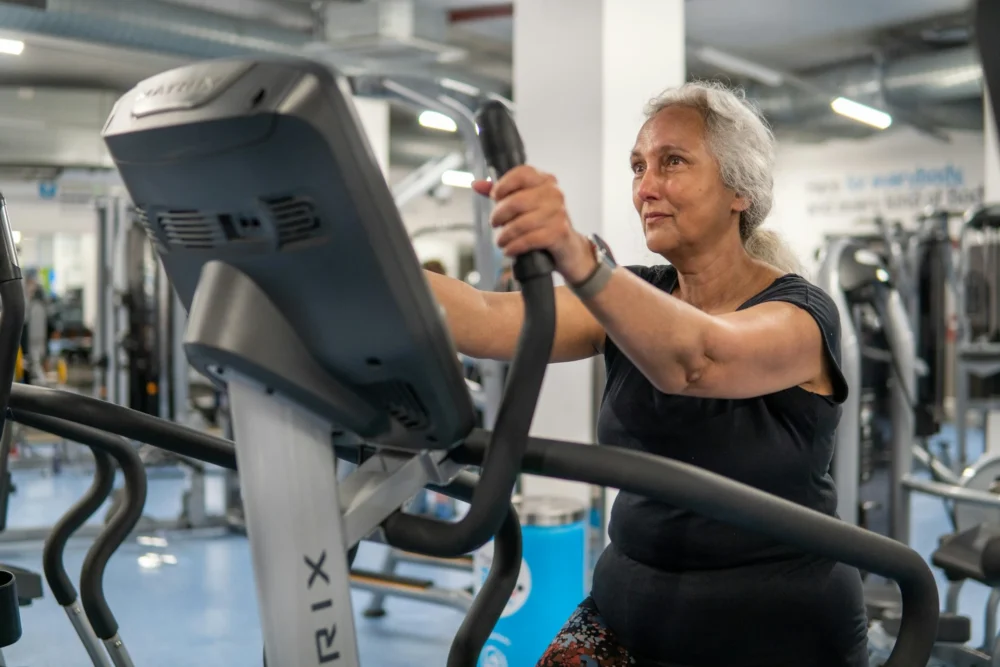
Photo by Centre for Ageing Better on Unsplash
Key Insights
- Staying active after 85 may help keep the mind sharp, especially when exercise includes both movement that raises the heart rate and strength-building activities.
- Older adults who combined cardio and strength training performed better on thinking and speed tests than those who were sedentary or did cardio alone.
- Even in the late 80s and 90s, lifestyle choices like exercise appear to matter for brain health.
Many people assume that by the time they reach their late 80s or 90s, lifestyle changes no longer make much difference. But a new study suggests that physical exercise may still play an important role in keeping the brain healthy well into advanced age.
Researchers looked at adults between the ages of 85 and 99 — a group often called the “oldest-old.” While exercise has been widely studied in younger seniors, much less is known about how it affects people in this age range. This study helps fill that gap.
The research included 184 cognitively healthy older adults, most in their late 80s, with an average age of about 88½. All participants completed a questionnaire about their usual physical activities and a series of thinking and memory tests.
Based on their exercise habits, participants were placed into three groups:
- Sedentary: Little to no regular exercise
- Cardio only: Activities such as walking or other aerobic exercise
- Cardio plus strength training: Aerobic exercise combined with resistance or muscle-strengthening activities
What the researchers found
After accounting for factors like education and overall activity level, clear differences emerged.
- Those who combined cardio and strength training had the strongest cognitive performance overall.
- Compared with sedentary participants, this group scored significantly better on tests that measure processing speed, such as how quickly someone can match symbols or complete simple mental tasks.
- They also outperformed the cardio-only group on measures of executive function, including attention, word generation, and the ability to manage competing information.
In simpler terms, seniors who did both aerobic exercise and strength training were faster thinkers and showed better mental flexibility than those who exercised less — or not at all.
Why this matters for seniors
Processing speed and executive function are crucial for everyday tasks like managing medications, driving safely, following conversations, and making decisions. Declines in these areas can affect independence and quality of life.
The findings suggest that exercise may offer a protective boost for the brain even in very late life, and that mixing different types of physical activity may be especially beneficial.
The study relied on self-reported exercise, meaning participants described their own activity levels rather than following a formal workout program. That’s good news: it suggests that everyday activities that include movement and light strength-building may still help.
For seniors and caregivers alike, the takeaway is hopeful. It’s never “too late” to benefit from staying active — and adding gentle strength exercises, such as resistance bands or light weights, may give the brain an extra edge.
As always, older adults should talk with their healthcare provider before starting or changing an exercise routine. But this research adds to growing evidence that moving the body can help support the mind — even in the 90s.