
FDA recalls statin tablets used by millions of seniors
Atorvastatin calcium tablets may not dissolve properly
Updated:

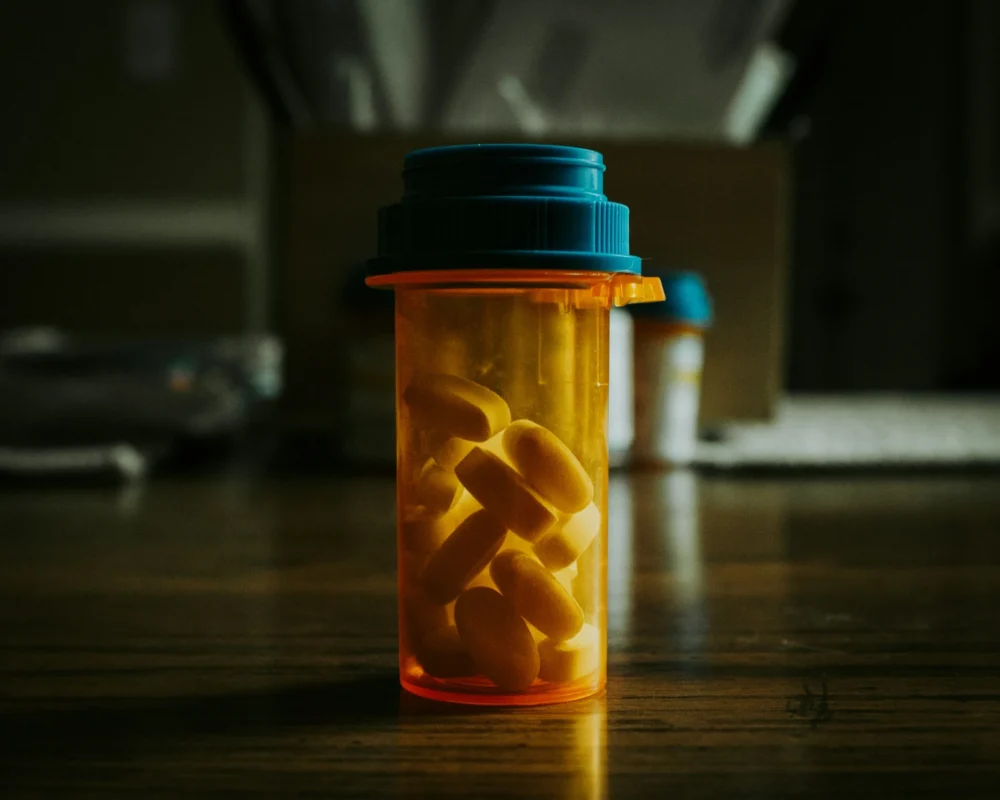
Photo by Bruno Guerrero on Unsplash
Key Insights
- Atorvastatin Calcium tablets — generic versions of the widely-used statin drug Lipitor — are being recalled nationwide after lab tests found the pills may not dissolve properly, potentially reducing their effectiveness.
- The recall covers multiple strengths (10 mg, 20 mg, 40 mg, 80 mg) and approximately 141,984 bottles distributed by Ascend Laboratories, LLC, manufactured by Alkem Laboratories, Ltd. in India.
- Because seniors are among the highest users of statin therapies to reduce cardiovascular risk, this recall raises particular concerns about potential gaps in cholesterol management and increased risk of heart-related events for older adults.
Regulators have confirmed that a large quantity of generic atorvastatin calcium tablets failed to meet dissolution specifications — meaning that in lab testing, the pills did not break down as expected, which could reduce the amount of active drug absorbed.
The recall was officially classified as a Class II event by the Food and Drug Administration: this means that while serious harm is unlikely, “temporary or medically reversible adverse health consequences” are possible.
Affected bottles include many sizes (90-count, 500-count, 1,000-count) and lots with expiry dates ranging from mid-2026 to early 2027.
Why seniors should pay special attention
- High usage of statins in older adults – Many seniors rely on statins such as atorvastatin to lower cholesterol, reduce plaque build-up, and prevent heart attacks or strokes. If the drug is less effective, the risk of cardiovascular events may increase.
- Comorbidities and polypharmacy – Older adults often take multiple medications and managing one drug not performing properly can complicate treatment plans, increase monitoring needs, and raise the stakes for stability in cardiovascular health.
- Potential for silent issues – Because cholesterol control doesn’t always produce noticeable symptoms until something happens (e.g., a heart attack), a reduced-efficacy drug might quietly compromise a person’s risk profile without them realizing it until it’s too late.
- Prescription continuity and confusion – Seniors may have a longer-term supply of medication or multiple refill sources (pharmacy, home delivery). They need to check if their bottle is in the recall list, and coordinate with their provider so that a substitute medication or dosage adjustment is arranged safely.
What you can do if you’re impacted
- Check your medication bottle: Compare the NDC number, lot number and expiration date of your atorvastatin tablets with the recall list provided (for example via the pharmacy alert letter issued by Ascend Laboratories).
- Do not stop your statin abruptly without consulting a provider: Because you may still need cholesterol control, suddenly stopping could be more dangerous than using a potentially sub-optimal tablet. One news outlet emphasized: “patients are advised to continue their medication until consulting their healthcare provider or pharmacist to confirm whether their prescription is affected.”
- Speak with your pharmacist or doctor: If your bottle is part of the recall, ask for a replacement from a non-affected manufacturer or consider switching to a different statin. Check your lipid profile and cardiovascular monitoring plan accordingly.
- Watch for signs of worsening cardiovascular health: While the medication might not dissolve properly, there is no guarantee of harm, but seniors should remain alert to symptoms like chest pain, shortness of breath, or any change in cardiovascular status—and report them promptly to their care team.
- Keep written records: For older adults especially, maintaining a simple log of medications (manufacturer, lot number, date filled) can help in recall situations or when dealing with multiple pharmacies or home delivery.
While this recall of generic atorvastatin calcium isn’t classified as a high-risk emergency, it is a meaningful issue — particularly for older adults who depend on statin therapy to manage cardiovascular risk. The possibility that a key medication may not be working as intended means seniors (and their caregivers or providers) should proactively check their bottles, liaise with their healthcare team, and ensure continuity of effective treatment.