
Genes and lifestyle jointly shape how we age, researchers say
Their study uncovered nuanced relationships between genetics and behavior
Updated:

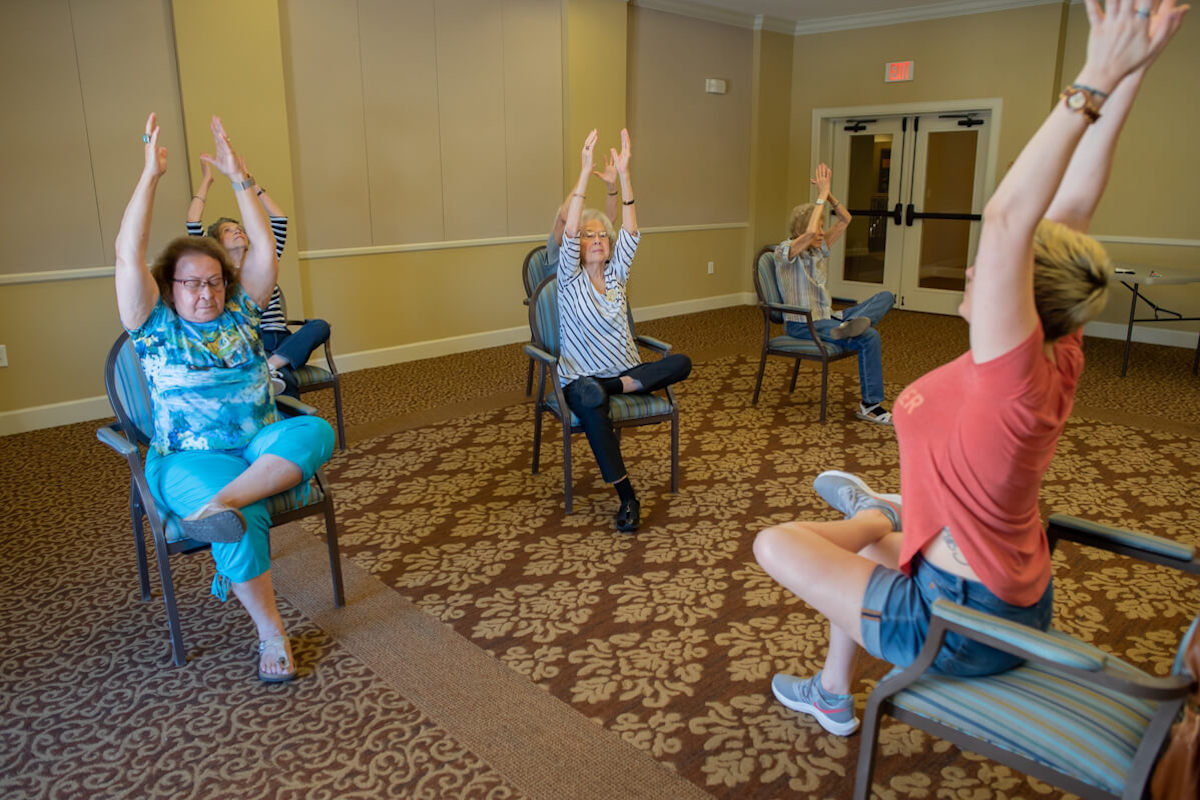
Photo by Franklin Park Sonterra
Key Insights
- Lifestyle and socioeconomic factors, such as diet, exercise, sleep, and education, significantly influence healthy aging, but their impact varies with a person’s genetic makeup.
- A major international study of more than 13,000 adults found that healthier aging is linked to physical activity, better diet, education, employment, and social engagement.
- Poor sleep and smoking were associated with faster functional decline, though genetic predisposition can either buffer or amplify these effects.
A major international study led by researchers at the University of Adelaide has pinpointed some of the factors that shape healthy aging, and there are a couple of surprises. According to the findings, healthy aging is not determined by lifestyle alone, but by a complex interaction between behavior, socioeconomic conditions, and genetic predisposition.
The research, published in The Journals of Gerontology: Biological Sciences, is the first to demonstrate how factors such as diet, physical activity, sleep patterns, education, employment, and social engagement influence aging differently depending on an individual’s DNA.
Scientists analyzed data from more than 13,000 participants in the Canadian Longitudinal Study on Aging, focusing on a key measure known as “intrinsic capacity.” This metric reflects the combination of physical and mental abilities that allow people to optimally function throughout life, such as managing daily tasks, maintaining mobility, and engaging socially.
Things that promote healthy aging
The findings show that people with higher intrinsic capacity — an indicator of healthier aging — tended to be more physically active, eat better, attain higher levels of education, and remain socially and professionally engaged.
Conversely, smoking and poor sleep habits were strongly linked to lower intrinsic capacity, signaling reduced functionality with age. Both insufficient and excessive sleep were associated with worse outcomes.
“Our findings suggest that genetic predisposition can shape how strongly socioeconomic status and lifestyle-behavioral factors influence intrinsic capacity,” said Associate Professor Azmeraw Amare, senior author of the study. “This highlights the gene–environment interplay underlying healthy aging.”
Nuanced relationships
The study uncovered nuanced relationships between genetics and behavior. For example, the negative effects of short sleep were less pronounced among individuals with a genetic advantage for intrinsic capacity. However, long sleep durations, particularly among middle-aged adults, were associated with worse outcomes, even in those with favorable genetic profiles.
Researchers also found that some lifestyle factors can offset genetic disadvantages. Adhering to a Mediterranean-style diet and achieving higher levels of education were strongly associated with healthier aging, even among individuals with lower genetic predisposition.
“The genetic effects were more evident in midlife than in later life,” said lead author Melkamu Bedimo Beyene. “This suggests that accumulated lifestyle and social exposures become increasingly important as people age.”
Experts say the findings carry important implications for public health strategies. Rather than focusing solely on disease prevention, the research supports a broader approach centered on maintaining functional ability across the lifespan.