
Glaucoma is a growing threat to eyesight as you age
Regular eye exams are important
Updated:

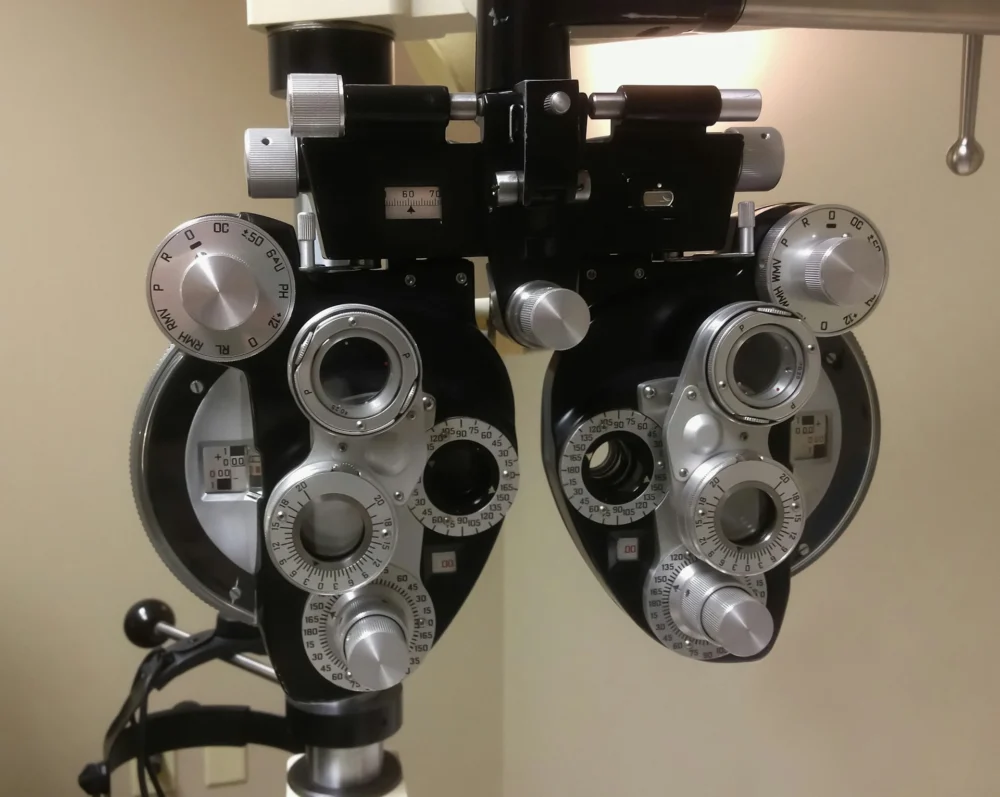
Photo by CDC on Unsplash
Key Insights
- Glaucoma often develops without pain or early warning signs, making regular eye exams critical—especially for older adults.
- More than 3 million Americans are affected, and the risk rises sharply after age 60.
- Early detection and treatment can slow or prevent vision loss, preserving independence and quality of life.
January is Glaucoma Awareness Month, a timely reminder for older adults to schedule routine eye examinations and learn more about a disease that remains one of the leading causes of blindness in the United States.
Glaucoma is often called the “silent thief of sight” because it typically causes no pain and few noticeable symptoms in its early stages. Yet, the damage it causes to the optic nerve is permanent. According to the Centers for Disease Control and Prevention, more than 3 million people nationwide are living with glaucoma, many of them unaware they have it.
“By the time patients notice changes in their vision, significant and irreversible damage has often already occurred,” said Dr. Albert S. Khouri, professor of ophthalmology and director of the glaucoma service at Rutgers New Jersey Medical School. “That’s why early detection through routine eye exams is so important.”
Why glaucoma often goes undetected
Glaucoma is most commonly associated with increased pressure inside the eye, which gradually damages the optic nerve. The earliest vision loss usually affects peripheral, or side, vision—changes that are easy to miss in daily life. Unlike cataracts, glaucoma does not typically cause cloudy or blurry vision early on.
Because the disease is painless, many people do not seek care until vision loss becomes obvious. At that point, treatment can slow further damage but cannot restore lost sight.
Who is most at risk
Age is one of the strongest risk factors. Adults over 60 face a significantly higher risk of developing glaucoma and are advised to have annual eye exams.
Other high-risk groups include Black and Latino individuals, who tend to develop glaucoma earlier and with more aggressive progression.
A family history of glaucoma also raises risk, as does long-term use of steroid medications for conditions such as arthritis, asthma, or autoimmune diseases.
The American Academy of Ophthalmology recommends that adults over 40 have comprehensive eye exams every one to two years, with more frequent exams for those at higher risk.
The power of early detection
Glaucoma Awareness Month emphasizes that early detection is the most effective way to protect vision. When glaucoma is identified early, treatments such as prescription eye drops, laser therapy, or minimally invasive surgery can lower eye pressure and significantly slow the disease.
“Lowering eye pressure is currently the only proven way to protect the optic nerve,” Khouri said. “Like managing diabetes or high blood pressure, controlling glaucoma early can prevent long-term damage.”
Steps older adults can take
Experts urge older adults to take a proactive approach to eye health by knowing their risk factors and keeping up with regular eye exams. A comprehensive exam typically includes measurement of eye pressure, imaging of the optic nerve, and visual field testing to assess peripheral vision.
Once diagnosed, consistent treatment and follow-up appointments are essential. Maintaining a healthy lifestyle—including regular exercise and a balanced diet—also supports overall eye health.