
Hallucinogenic drug found to reduce effects of aging
Study found ingredient in mushrooms increased the lifespan of human cells by over 50%
Updated:

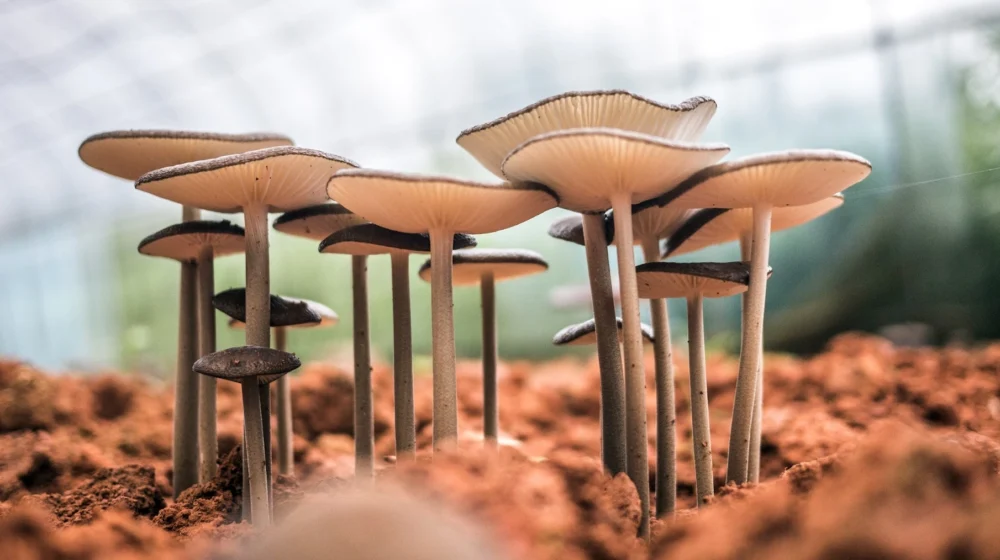
Photo by Phoenix Han on Unsplash
Key Insights
- Psilocybin increased lifespan of human cells by more than 50%
- Aged mice treated with psilocybin lived longer and looked healthier
- Research reveals systemic anti-aging benefits beyond psychological effects
An anti-aging compound has turned up in an unlikely place. Scientists at Emory University have discovered that psilocin, a compound derived from psilocybin, the psychedelic element in magic mushrooms, can significantly delay cellular and physical aging.
Published in Nature Partner Journals’ Aging, the study found that psilocin increased the lifespan of human lung and skin cells by over 50% and extended the survival of elderly mice by nearly one-third.
The research suggests that psilocybin, often seen as a potential mental health treatment, may also serve as a powerful systemic anti-aging therapy.
“Psilocybin, the naturally occurring psychedelic compound produced by hallucinogenic mushrooms, has received attention due to considerable clinical evidence for its therapeutic potential to treat various psychiatric and neurodegenerative indications,” the authors wrote.
“However, the underlying molecular mechanisms remain enigmatic, and few studies have explored their systemic impacts. We provide the first experimental evidence that psilocin (the active metabolite of psilocybin) treatment extends cellular lifespan and psilocybin treatment promotes increased longevity in aged mice, suggesting that psilocybin may be a potent geroprotective agent.”
Two-part study
There were two parts to the study: first, in vivo, where researchers treated human cells with psilocin and observed dramatically improved longevity and health markers.
Then, in a long-term mouse trial, 19-month-old mice – 60 to 65 years old in human years – received a low dose of psilocybin followed by monthly treatments. The researchers found that the treated mice had a 30% higher survival rate than the untreated ones. They also displayed fewer visual signs of aging, such as gray fur, and showed signs of hair regrowth.
These improvements weren’t limited to appearance. The mice also showed healthier biological markers at the cellular level, indicating reduced oxidative stress, stronger DNA repair mechanisms, and preservation of telomere length, key indicators tied to aging and age-related diseases like cancer, cardiovascular disorders, and neurodegeneration.
An illegal drug
There’s just one problem. Psilocybin remains illegal at the federal level in the United States.
It is classified as a Schedule I controlled substance under the Controlled Substances Act, meaning its possession, cultivation, or distribution is generally prohibited nationwide.
However, as with cannabis, several states and local jurisdictions have taken action to either decriminalize or regulate psilocybin.
Psilocybin’s known effect on serotonin receptors—found not just in the brain but throughout the body—may explain its wide-ranging impact. Dr. Louise Hecker, the study’s senior author, noted that “this study opens a new frontier for how psilocybin could influence systemic aging processes, particularly when administered later in life.”
Despite psilocybin’s reputation for inducing hallucinations, this study shifts the spotlight to its potential physiological benefits, hinting that its interaction with serotonin receptors may modulate aging across multiple organ systems.