
Higher housing costs are pushing more baby boomers into the rental market
But a growing number of older adults want fewer homeowner hassles
Updated:

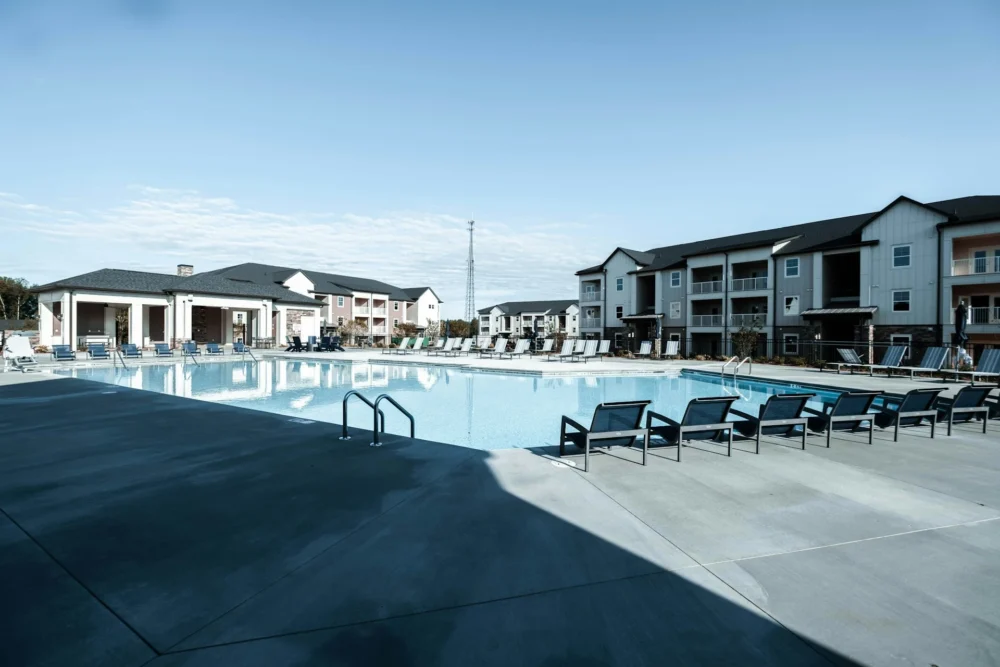
Photo by Zac Gudakov on Unsplash
Key Insights
- Half of U.S. renters now spend more than 30% of their income on housing, while 27% spend over half.
- Home prices and mortgage costs have pushed ownership out of reach for most Americans.
- A growing affordability crisis, rising insurance rates, and climate risks deepen uncertainty in the housing market.
Many baby boomers planned to have their home paid for by the time they retired, a worthy goal. But the reality is starkly different.
Not only have some boomers not reached the goal of paying off their mortgage, they don’t own their home. They’re renting.
The latest State of the Nation’s Housing report from the Harzard Joint Center for Housing Studies paints a sobering picture: record-high rents, surging home prices, and rising insurance costs have combined to create one of the toughest housing environments in decades, and it’s not just affecting the young.
Half of all renters—22.6 million households—are now considered cost-burdened, meaning they spend more than 30% of their income on housing and utilities. A staggering 12.1 million renters are severely burdened, spending more than half of what they earn just to keep a roof over their heads. This marks the third consecutive year of record-breaking rental strain.
Despite a construction boom, most new rental units are being built at the luxury end of the market. In 2024, developers completed 608,000 new multifamily apartments—the most in nearly 40 years—but the majority were priced beyond the reach of middle-income renters.
A report from LendingTree found that nearly 12 million boomers are competing with their grandchildren for apartments, making them the fastest-growing segment in America’s rental housing market.
Over 30% of boomers aged 65 and older are renters, according to the latest U.S. Census data. From 2009 to 2019 alone, boomer rental households surged by 32%, outpacing all other age groups. According to surveys, many rent by choice. But for some, it’s a necessity.
Choice
Many boomers cite lifestyle flexibility, wanting to travel, downsize, live somewhere more amenity-rich, or avoid the responsibilities of homeownership (repairs, taxes, upkeep).
Some boomers are selling owned homes (often with significant equity) and opting to rent, freeing up capital and avoiding long-term ownership burdens.
A 2017 survey of boomers found ~38% of ages 55-64, and ~40% of ages 65+ who were renting, said they can afford to buy but choose to rent.
Necessity
For some, renting is a financial necessity: high home-ownership costs, rising taxes, maintenance burdens, and fixed incomes in retirement push them toward renting.
Inventory shortages and housing-market conditions have also made it harder for some older adults to buy another home after selling or downsizing.
While living in a paid-off residence may provide some peace of mind as you age, there are downsides as well. Rising property taxes and surging insurance premiums are squeezing homeowners as well. Since 2019, insurance costs have skyrocketed 57%, with the steepest increases in areas most prone to wildfires, floods, and hurricanes.
Property taxes rose 12% between 2021 and 2023, adding more pressure. The number of cost-burdened homeowners rose by 646,000 last year, reaching 20.3 million.
A market frozen by high prices
Home sales have fallen to their lowest level in 30 years, even as prices continue to climb. The median existing single-family home hit a record $412,500 in 2024—five times the median household income. That’s far beyond the traditional affordability benchmark, where home prices were about three times income.
At that price, monthly payments for a typical home average $2,570. To afford it, a household would need an annual income of at least $126,700, an income only 6 million of the nation’s 46 million renters earn.