
How physical therapy can improve the aging process
New program makes the case that it’s not just for rehabilitation
Updated:

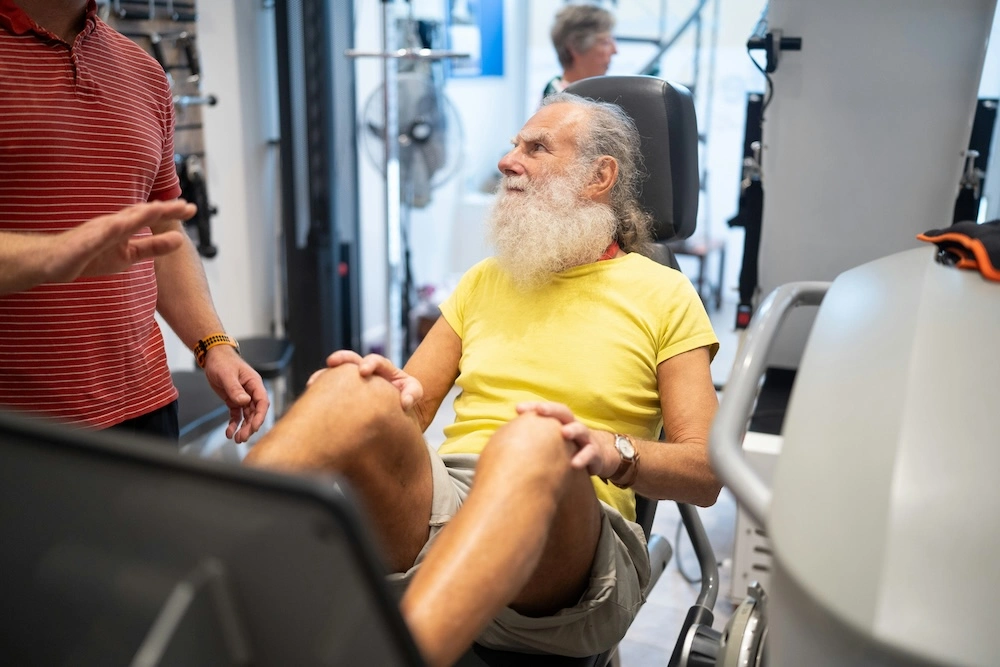
Photo by Centre for Ageing Better on Unsplash
Key Insights
- Physical therapy redefined: APTA launches “PT For Future Me” to promote lifelong movement and wellness
- New campaign highlights that physical therapy isn’t just for recovery—it’s for prevention and healthy aging
- Survey shows 66% of Americans fear losing mobility as they age, but PT can help preserve strength and independence
The American Physical Therapy Association (APTA) is launching a new national education campaign, “PT For Future Me,” to change how Americans think about physical therapy.
Instead of seeing PT as something people do only after an injury or surgery, APTA wants the public to view it as a proactive, lifelong approach to staying strong, mobile, and independent.
“PT For Future Me” aims to dispel the widespread notion that physical therapy is only for rehabilitation. The campaign highlights how PT can be as essential to wellness as annual checkups or dental visits, helping people prevent injury, maintain mobility, and enjoy a higher quality of life at every stage. And while the program is targeting people of all ages, APTA says seniors may benefit the most.
“Many people know what physical therapy is in terms of rehabilitation, but not as many understand its value to prevent injury, support lifelong mobility, and improve overall health for people of all ages and abilities,” said APTA President Kyle Covington. “We want to shift the mindset from seeing physical therapy as a treatment to recognizing it as a strategy for wellness and longevity.”
Americans worry about mobility
A national survey commissioned by APTA found that two-thirds of Americans (66%) fear losing the ability to do the things they love as they age. “PT For Future Me” directly tackles this anxiety, emphasizing that movement is a lifelong necessity—and that physical therapy can help people age with confidence and independence.
From early development to older adulthood, the survey reveals opportunities for PT to support health at every age:
- Childhood and adolescence: 88% of parents trust physical therapists to assess motor development and intervene when needed. PT helps build coordination, strength, and confidence.
- Early adulthood: Over 60% of mothers are unaware PT can assist with pregnancy and postpartum recovery—two critical times for lifelong musculoskeletal health.
- Middle adulthood: Adults in their 40s to 60s are more than 20% more likely to book a PT visit for future well-being than to consult a financial planner.
- Older adulthood: While 73% believe PT supports healthy aging, most haven’t seen a therapist in more than five years, missing out on guidance for balance, fall prevention, and independence.
The power of movement
“Physical therapy isn’t just about recovery; it’s about building resilience and unlocking your full health potential,” said Scott Capozza, of Smilow Cancer Hospital at Yale Cancer Center. “Regular movement supported by PT can lower the risk of heart disease, diabetes, and even some cancers, while boosting energy, mood, and confidence.”
To help people get started, the “PT For Future Me” campaign offers free educational resources, including a patient toolkit, interactive materials, and a “Find a PT” directory for locating licensed physical therapists. Importantly, people in all 50 states and Washington, D.C., can visit a physical therapist directly—no doctor’s referral required.