
How to keep heating bills in check this winter
Spending a little money now can cut electric bills
Updated:

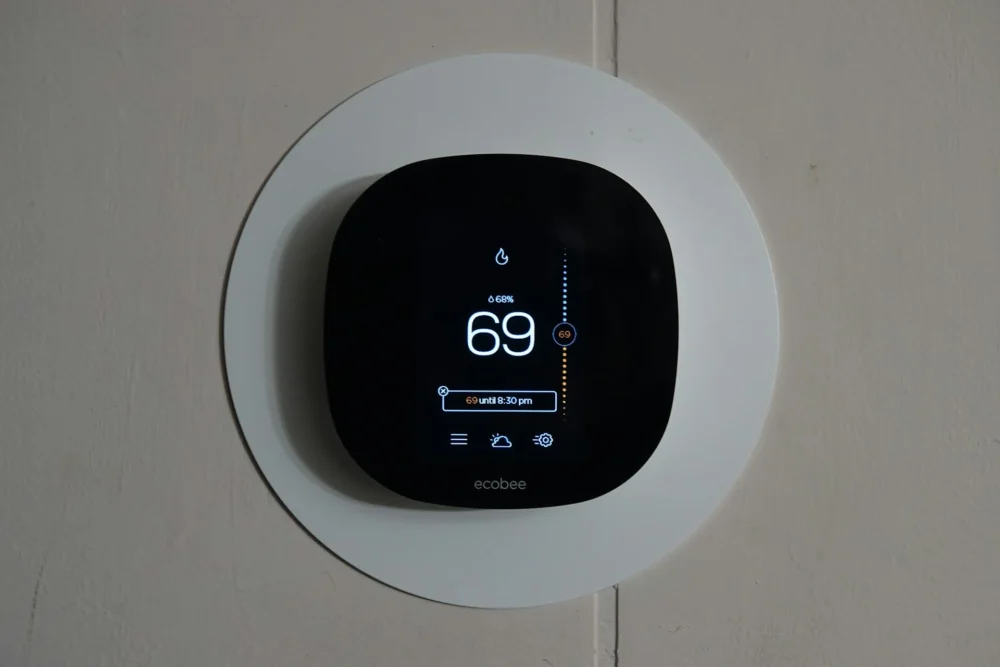
Photo by Sean D on Unsplash
Key Insights
- Seal leaks and insulate your home to stop heat from escaping.
- Adjust your thermostat and use smart tech to save energy automatically.
- Maintain your heating system for maximum efficiency.
Electricity rates are rising faster than the rate of inflation. Data centers have increased demand for power, requiring electric utilities to make upgrades to the grid to meet that demand. Retirees living on fixed incomes may feel the squeeze the most.
However, with a few proactive steps, you can stay warm while keeping your budget in check. Now is the time to take these steps, before the arrival of winter,
For example, one of the biggest sources of wasted energy is air leaks around windows, doors, and ductwork. Applying weatherstripping or caulk, and sealing gaps in attics or basements, helps keep warm air in and cold air out.
Adding insulation, especially in older homes, can reduce heating bills by as much as 20%. Even simple fixes like heavy curtains can add a layer of protection against drafts.
Apply technology
Heating accounts for nearly half of a household’s energy use. Adjusting your thermostat even a few degrees can have a big impact. The U.S. Department of Energy recommends setting it to 68°F during the day and lowering it at night or when you’re away.
Smart thermostats go a step further, automatically learning your schedule and adjusting temperatures to save energy without you noticing a chill. The DOE estimates that lowering the temperature by seven to 10 degrees for at least eight hours a day will trim heating bills by 10%. These devices start at about $30.
If your home is exposed to morning or afternoon sun, make the most of it. Open curtains during the day to let in sunlight and close them at night to lock in warmth. Rearranging furniture so vents aren’t blocked also ensures that heated air circulates efficiently. Using ceiling fans on their reverse setting can push warm air back down, especially in rooms with high ceilings.
Keep your system at peak efficiency
A poorly maintained furnace or heat pump works harder and costs more to run. Replacing filters regularly, cleaning vents, and scheduling an annual tune-up can extend the life of your system and improve performance. If your unit is more than 15 years old, upgrading to an energy-efficient model could cut bills significantly over time.
For targeted warmth, space heaters can be efficient if used wisely – only heating the room you’re in instead of the whole house. Energy-efficient models with automatic shut-offs provide added safety. Some homeowners also explore supplemental options like pellet stoves or infrared heaters.